Lake Duluti
Lake Duluti
Crater lake linked to Mount Meru, a few kilometers from Arusha: canoeing, forest trail and observation of rich birdlife in half a day.
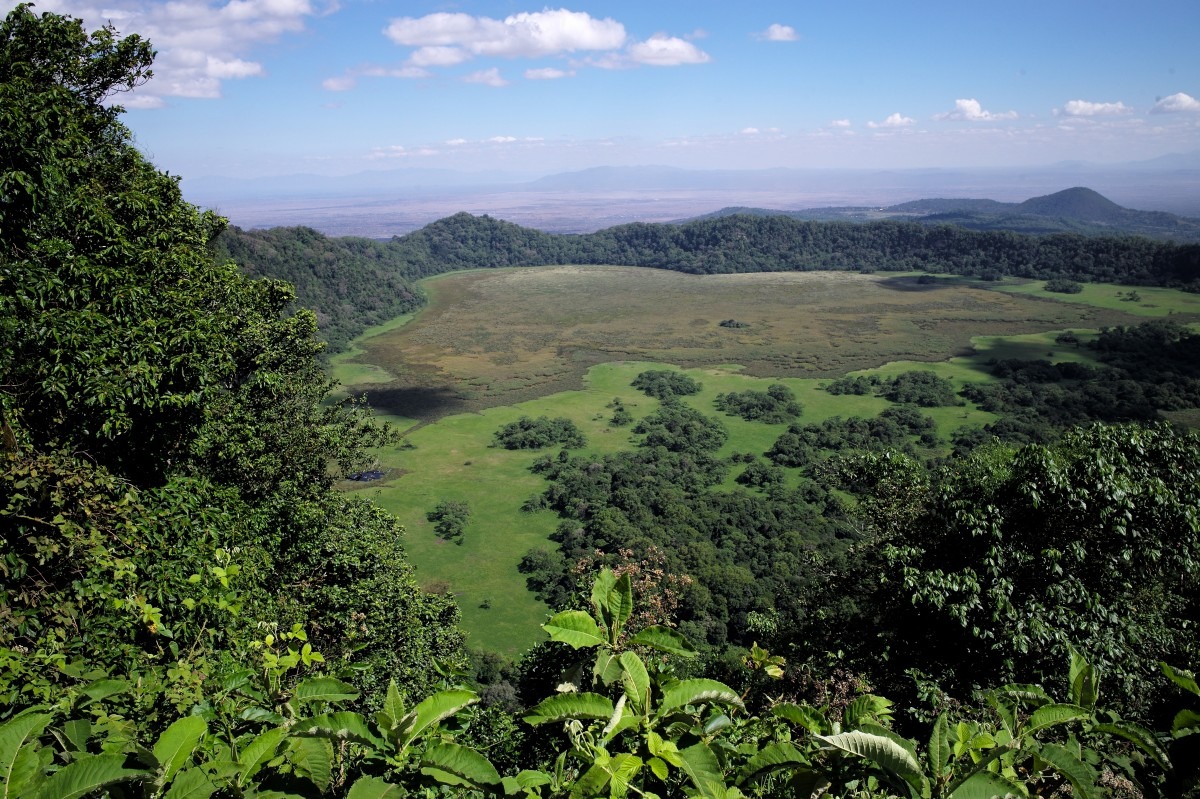
The Lake Duluti occupies an ancient volcanic crater linked to Mount Meru, a few kilometers east of Arusha. About 1 km long and 600 m wide, this small forest lake has become an appreciated natural history stop for its dense birdlife and the ease of combining canoeing and hiking in half a day from the city.
Why visit Lake Duluti?
Lake Duluti stands out for three complementary assets. First, its geological setting: a crater bordered by rock walls reaching up to 30 m in height and surrounded by dense tropical forest, creating a humid microclimate just minutes from the Arusha plain. Next, its biodiversity: over 130 bird species have been recorded there, including the giant kingfisher, cormorant, darter and fish eagle. Finally, its accessibility: unlike the major national parks of the North, entry is straightforward without complex procedures, at a moderate tariff managed by the Duluti Forest Reserve.
It's a relevant option if you have half a day free in Arusha before or after a safari, or if you're looking for nature activities without the logistics of a major park.
What to see and do
Bird and wildlife observation
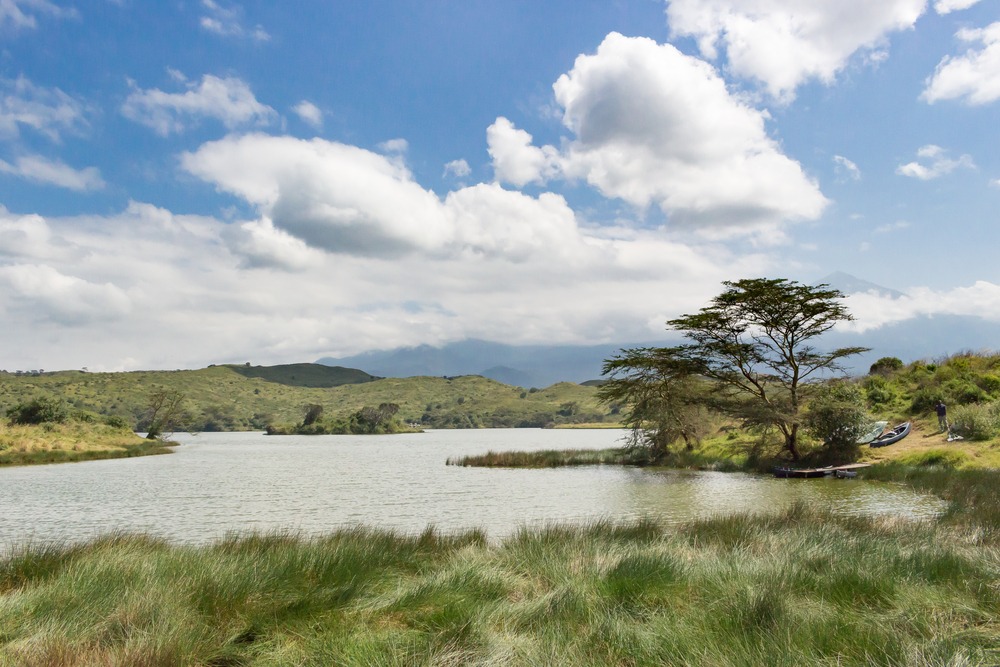
Birdlife is the main attraction. From the trail as well as from the water, you can observe a wide range of water and forest birds. The marshy areas, where papyrus grows, serve as nesting grounds. As for reptiles, the forest is home to monitor lizards, lizards and snakes; monitor lizards can sometimes be spotted on dead logs along the water's edge. The lake also contains a small island in its western section.
Canoeing excursion
The canoeing trip typically lasts 2 to 3 hours and allows you to get as close as possible to the banks, papyrus and birds. Canoes are available for rent at the reserve office, Duluti Campsite or Duluti Forest Club. A life jacket is provided. Two standard itineraries are offered: a complete tour around the perimeter, or a round trip to the small island. For visitors who prefer not to paddle, small non-motorized boats operated by locals are available.
Hiking around the crater
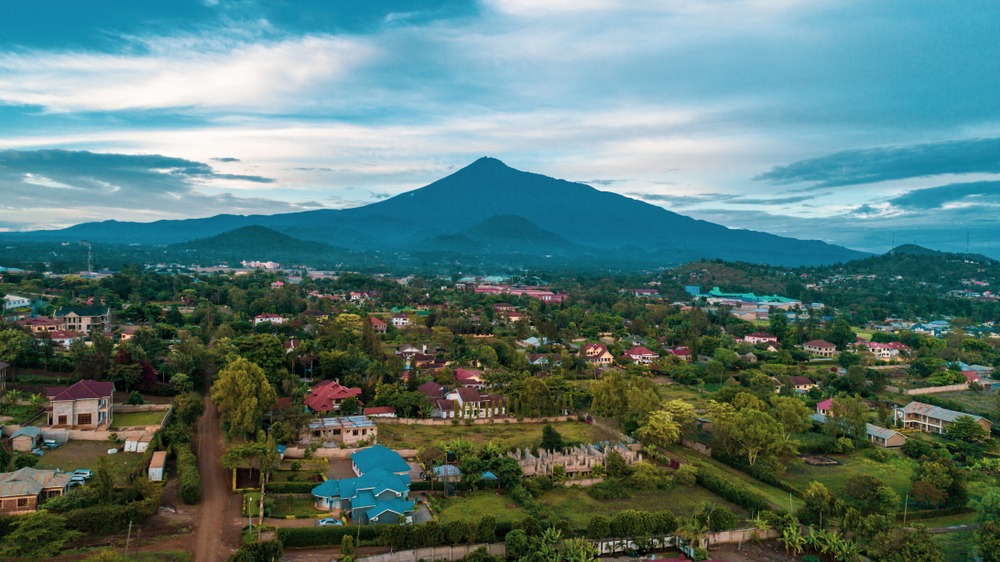
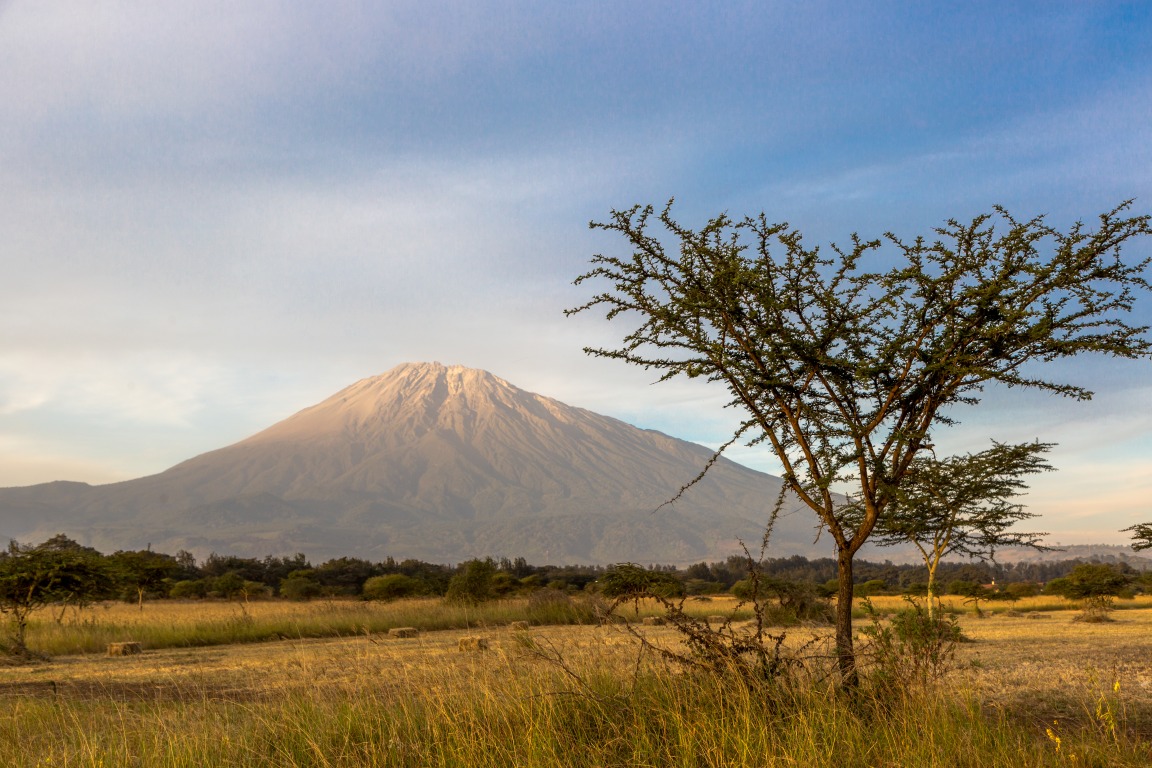
A trail circles the crater and takes approximately 2 hours to complete, accompanied by a forest ranger from the reserve. The route stays mostly in the forest, but a few gaps in the vegetation open up viewpoints: on clear days, you can see Mount Meru and, further away, Kilimanjaro. The walk is accessible, with no particular technical difficulty, though the terrain can be slippery after rain.
Practical information
- Management: Duluti Forest Reserve (paid entry, moderate tariff, payment on site).
- Recommended duration: allow half a day to combine canoeing and a crater tour.
- What to bring: closed-toe shoes for hiking, insect repellent, binoculars for bird watching, water.
- Dining: meals available at the campsite or forest club, by advance booking.
- Accommodation: camping permitted on site, but you must bring your own tent.
- Fishing: permitted subject to prior permit acquisition.
When to visit
The high season around Arusha runs from June to September, which corresponds to the dry season. Trails are then easily passable and wildlife observation is more straightforward. The rainy season (mainly March-May) makes some secondary access roads to the lake difficult, but the forest is greener and migratory birds more numerous. Early morning remains the best time of day for canoeing and birdwatching, with calmer water and more active birds.
How to get there
Lake Duluti is located east of Arusha, on the route to Moshi and Kilimanjaro Airport. From central Arusha, take the Arusha–Moshi highway and then turn south at Tengeru: the turnoff is marked by several signs. From Tengeru, about 1 km separates the main road from the lake entrance, accessible by taxi or on foot via a marked path. Other tracks serve the site but can become impassable during the rainy season.
What to see nearby
Lake Duluti combines well with other sites in the Arusha region:
- Arusha National Park: day safari at the foot of Mount Meru, approximately one hour's drive away.
- Boma Natural History Museum: cultural stop in central Arusha covering prehistory and regional wildlife.
- Olmoti Crater: to continue the crater theme towards the Ngorongoro highlands.
Frequently asked questions
Frequently asked questions
The crater tour must be done with a forest ranger from the reserve. For canoeing, guidance is also provided on site with life jacket provision.
Allow approximately 2 hours for the hike around the crater and 2 to 3 hours for the canoeing trip. Half a day allows you to combine both activities.
Yes. The trail is accessible, the canoeing takes place on calm water with life jackets, and the moderate duration of activities suits children of a certain age.
Swimming is not recommended: this is a crater lake managed by a forest reserve, whose wildlife includes reptiles and snakes along the shore.
Yes, but some secondary tracks become difficult during the rainy season. The main access via Tengeru remains passable, and the dry season (June-September) remains the most comfortable period.
Including Lake Duluti in your trip
Lake Duluti fits naturally into an itinerary in northern Tanzanie, complementing a safari or Mount Meru climb. To build a customized trip including this stop, consult our Tanzanie travel ideas.
Interested in this visit?
We can include it in your personalised itinerary.