Boma Natural History Museum
Boma Natural History Museum
Set within a German fort built in 1899 in central Arusha, this museum showcases Olduvai archaeology, colonial history, and local wildlife.
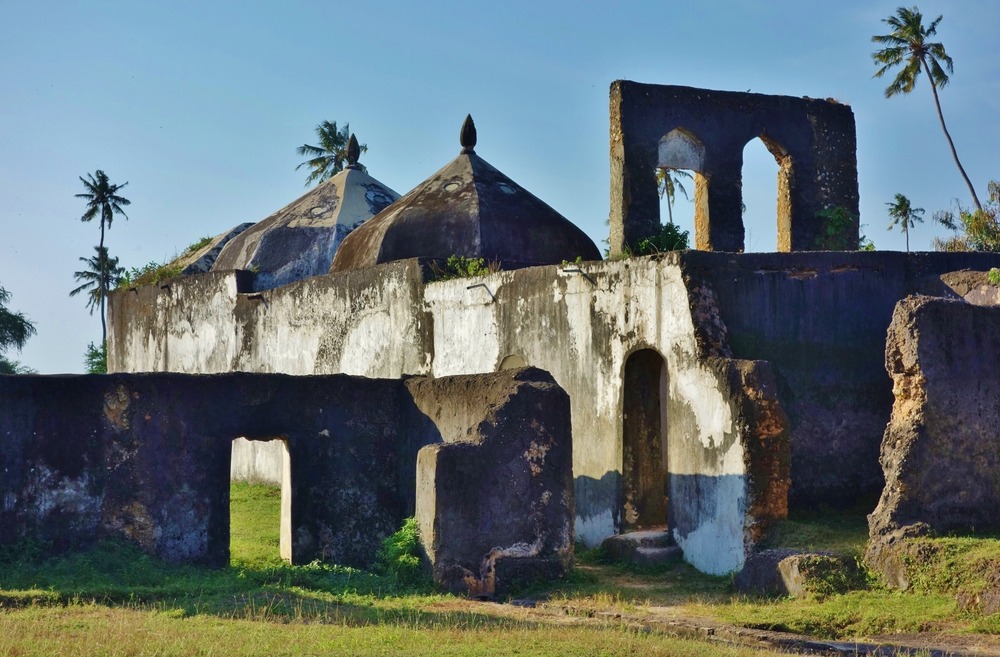
The Boma Natural History Museum occupies a former German military fort dating from 1899, in the heart of Arusha. Three fortified buildings now house collections dedicated to the region's archaeology, local fauna, and colonial history, complemented by a botanical garden, mini-zoo, and art gallery.
Why visit the museum
The site offers a twofold appeal. First, the building itself: a rectangular, fortified German fort—one of the oldest surviving witnesses to colonial presence in northern Tanzania. Second, its collections, which span the archaeology of the Olduvai Gorges, the history of the Arusha and Meru tribes, and regional wildlife. Plan for 1 to 1.5 hours for a thorough visit, longer if you extend into the garden and gallery.
History of the Boma Fort
Built in 1899, the structure originally served as a German military outpost for the Arusha region. It allowed settlers to monitor the Arusha and Meru tribes while serving a dual role as an administrative office and residence for senior officials.
During construction, the Germans forced Arusha and Meru warriors to dig stone with their spears and carry materials using their shields. Women and children supplied banana fiber for thatching, while elders made mortar from damp mud. The result: a fortified rectangular building, surrounded by a trench nearly 2 meters deep and a barbed-wire fence. A vegetable garden and coffee plantation were established nearby.
After World War I, Germany ceded the colony to the British. The fort retained its functions as a security stronghold, administrative center, and colonial residence. In 1979, the independent Tanzanian government converted it into a natural history museum. Several additions followed over the decades: botanical garden, pond-aquarium, art gallery, and spaces dedicated to wildlife, history, and artifacts.
South of the grounds stretches the Boma Road, lined with trees, some centuries old, still visible today.
What to see
Archaeology and history
The rooms devoted to history and archaeology gather artifacts recovered from excavations at the Olduvai Gorges, a key site for studying human origins in East Africa. You will also find historical photographs of local tribes and materials evoking the German and later British colonial periods.
Art gallery
The gallery exhibits works by contemporary Tanzanian artists. It periodically hosts painting workshops, drum-making classes, and other traditional craft activities. The offerings vary by season; check at the front desk about current sessions.
Botanical garden and fauna
Outside, the small botanical garden offers a natural transition to living spaces: a small serpentarium, a pond populated with local freshwater fish, and a mini-zoo featuring a few rare species from the Arusha region. While modest in scale, the collection provides a tangible complement to the indoor exhibits.
Practical information
- Visit duration: 1 to 2 hours depending on your interest in the gallery and garden.
- Hours: daily daytime opening. Verify current hours before your visit.
- Admission: moderate entry fee, with reduced rates for students. Payment in Tanzanian shillings.
- Photography: generally permitted in outdoor spaces; ask at the front desk about exhibition halls.
How to get there
The museum is located in Arusha's CBD, along the Themi River. The district is home to offices, restaurants, hotels, and travel agencies.
- On foot: from Arusha's clock tower, allow about 10 minutes walking along Boma Road.
- By taxi: all Arusha drivers know the site; quick trips from most city-center hotels.
- From Arusha Airport (ARK): 10 to 15 km depending on your starting point; taxi or hotel shuttle recommended.
- From Kilimanjaro International Airport (JRO): approximately 50 km, about 1 hour's drive.
Nearby attractions
The museum integrates easily into a broader stay in northern Tanzania:
- Arusha: logistics hub for northern safaris, worth exploring for its markets and atmosphere.
- Arusha National Park: day-trip safari around Mount Meru.
- Great Rift Valley: major geological formation in East Africa, backdrop to the region's landscapes.
- Barranco Hut Camp: key waypoint for hikers tackling Mount Kilimanjaro.
Frequently asked questions
Frequently asked questions
A standard visit takes 1 to 1.5 hours. Including the botanical garden, mini-zoo, and art gallery, allow up to 2 hours.
Photography is generally allowed in outdoor spaces (garden, mini-zoo, fort facades). For exhibition halls, it's best to confirm with the front desk, as certain archaeological pieces may be restricted.
The building dates from 1899 and retains its original structure, with thresholds, steps, and uneven floors. Accessibility remains limited. Outdoor spaces (garden, pond) are more manageable than interior halls.
Incorporating the museum into your trip
The Boma Natural History Museum makes for a worthwhile cultural stop at the beginning or end of a circuit in northern Tanzania, before a safari in the Serengeti, Ngorongoro, or an ascent of Mount Kilimanjaro. To build an itinerary combining Arusha, national parks, and heritage sites, explore our Tanzania trips.
Interested in this visit?
We can include it in your personalised itinerary.