Iringa
Iringa
Iringa, former capital of the Hehe people and gateway to Ruaha National Park, blends colonial history, archaeological sites and Tanzanian highlands.
Iringa is a city located in southern Tanzanie, 502 km from Dar es-Salaam. It serves as the gateway to Ruaha National Park, the country's second-largest national park, renowned for its vast elephant population.
History
The human history of this high-altitude region of Tanzanie (approximately 1,550 m) stretches back more than 70,000 years, as evidenced by stone tools discovered at the Isimila archaeological site. It is the territory of the Hehe people (Wahehe in Swahili).
Before the arrival of European colonizers, the Hehe formed a politically structured society, governed by powerful chiefs, among them Mkwawa, an emblematic figure of resistance to colonial expansion. Around 1891, he ordered the construction of a defensive palisade approximately 13 km long and 4 meters high at Kalenga, aimed at slowing the German advance. The name Iringa itself derives from the Hehe word lilinga, which refers to this fort.
Following the fall of Kalenga in 1894, the Germans established a military post at the present-day site of the city. They named it Neu Iringa ("New Iringa") and it became their administrative centre in the region. Colonial-era buildings from this period still stand in Iringa today.
After years of guerrilla warfare against German colonial forces, Mkwawa took his own life in 1898, choosing death over capture.
Iringa Today
Today, Iringa is a university town and dynamic economic centre in southern Tanzanie. It is home to several higher education institutions. Its economy is based on agro-industry, food processing, and services linked to road transport towards Dar es Salaam, Mbeya, and neighbouring countries such as Zambia and Malawi.
What to See in Iringa?
Boma Museum
The Boma Museum is housed in a former building constructed in 1914 as a military hospital, later converted into an administrative centre under British colonization, and finally into a museum following independence. Its architecture blends Germanic, Swahili and local influences, featuring stone walls and elegant arches. You'll find traditional objects, tools, clothing and artefacts that trace the life of the peoples of the southern highlands, particularly the Hehe.
The Maji Maji Monument
This stone obelisk pays homage to the heroes of the Maji Maji rebellion (1905–1907), one of the greatest resistance movements against German occupation. It symbolizes the courage and solidarity of Tanzanians in the face of colonial oppression.
The Clock Tower
Erected in 1927, the Clock Tower replaced a colonial statue of German General Hermann von Wissmann. It embodies Iringa's transformation and the assertion of its post-colonial identity. Crowned with the Uhuru Torch, a national symbol of freedom and unity, it commemorates the country's independence achieved in 1961.
Gangilonga Rock
This rock formation served as the gathering place for Hehe chiefs, including the famous Mkwawa. It was here that their political and strategic deliberations took place. It offers spectacular panoramic views over the city and surrounding hills.
The Igeleke Rock Art Site
Igeleke is an archaeological site located not far from the city. It features prehistoric paintings executed in red ochre on rock shelters. These human and animal figures illustrate the daily life and spiritual practices of the region's earliest inhabitants.
Mkwawa Museum
As its name suggests, this museum pays tribute to Mkwawa. It is located in Kalenga, about ten kilometres from the city. You'll discover his personal belongings, weapons and clothing, as well as his skull, repatriated from Germany in 1954.
Isimila Stone Age Site
About thirty minutes from Iringa lies the Isimila site, one of Africa's most remarkable Stone Age locations. Hundreds of quartzite tools (axes, scrapers and knives) have been discovered there. They date back more than 70,000 years. You'll find a small museum explaining the life of the region's earliest inhabitants.
The Isimila landscape will fascinate you with its impressive sandstone formations sculpted by erosion, creating a spectacular setting.
Ruaha National Park
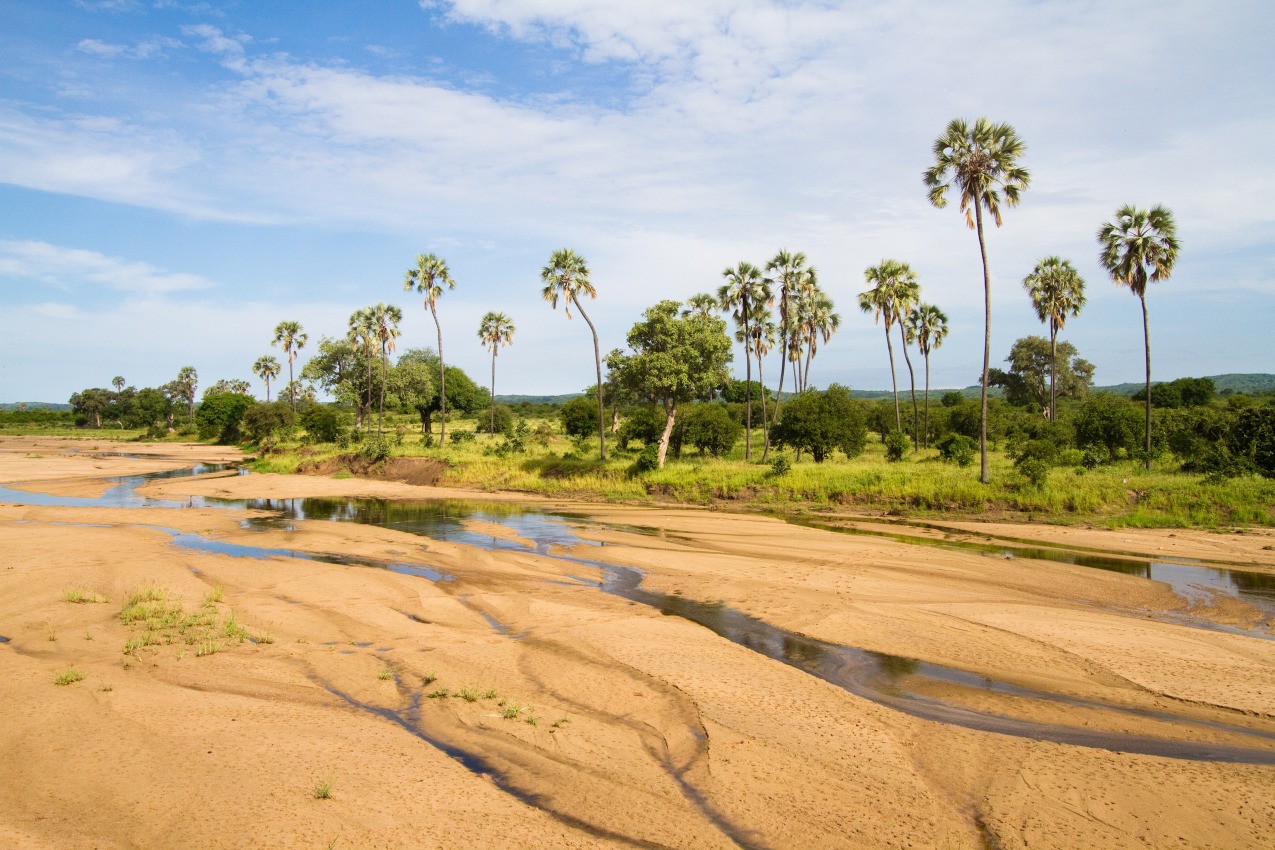
Less frequented than the northern parks, Ruaha National Park remains a worthwhile destination to explore. Why? It is home to one of East Africa's largest elephant populations. You'll also see lions, leopards, giraffes, buffalo and African wild dogs. The park is located approximately two hours' drive from Iringa.
When to Visit Iringa?
The climate in Iringa remains pleasant from April to November. If you're particularly interested in Ruaha National Park, the ideal time to visit the region is during the dry season, from June to October.
You can reach Iringa by plane, taxi or bus.
Plane
Iringa Airport is located just 13 km north-east of the city. It operates flights to Tanzanie's major cities. From the airport, taxis are available to take you to your accommodation.
Bus
Iringa is connected by bus to Dar es Salaam, Dodoma and Mbeya. You have a choice between several companies: Sumry, Sutco, Hood, etc.
Want to discover this destination?
Our local advisors design your tailor-made trip.