Zanzibar Island
Zanzibar Island
White sand beaches, Swahili alleyways of Stone Town, coral reefs and Mnemba atoll: Zanzibar is the natural extension of a Tanzania safari.
Tourism thrives across the Zanzibar archipelago, a pocket of paradise off the coast of Tanzania. Beaches, palm trees, and natural reserves home to dolphins, turtles, and red colobus monkeys abound. This island resort destination has more than one trick up its sleeve.
Zanzibar, Tanzania's tropical paradise
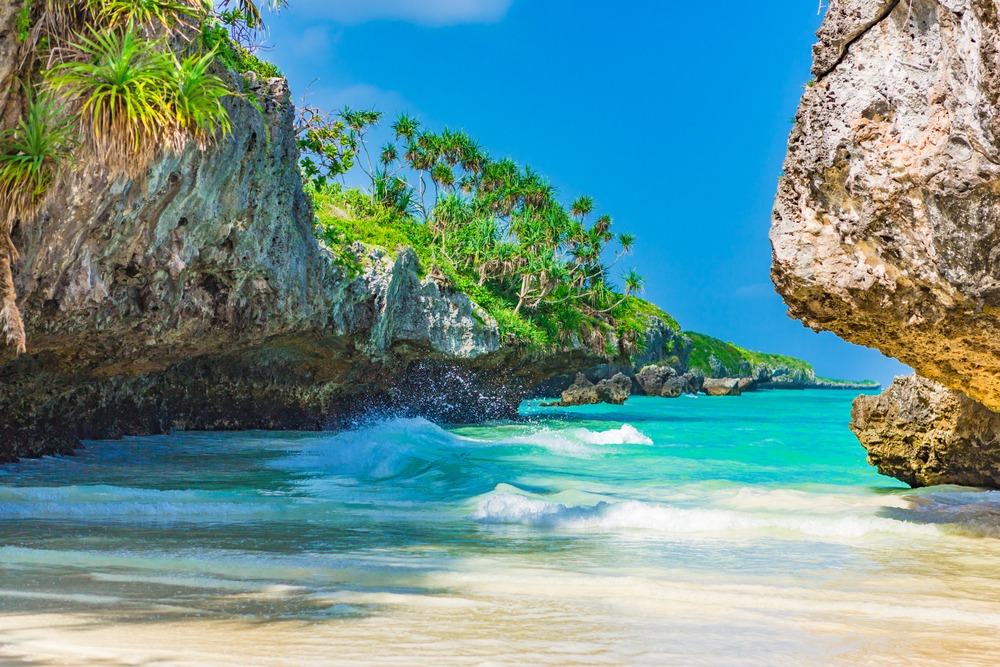
The Spice Island awaits swimmers and divers just an hour by boat from continental Tanzania, departing from the docks of Dar Es Salaam. Sun-seekers relish endless stretches of beach, where coves and coral reefs have created a paradisiacal setting just meters from vacation lodges.
While the call of the Indian Ocean is irresistible, the archipelago holds a hidden side that intrigues seasoned travelers. With its maze of narrow alleys lined with mosques, Anglican cathedrals, and Arab-Persian style merchant residences, the historic old quarter of Stone Town, Zanzibar's cultural heart, will impress you with its colonial atmosphere. Wander through the spice farms, pass the Old Arab Fort, visit the former sultan's palace, and for an evening of romance, treat yourself to a traditional dhow sail around the harbor.
A wildlife enthusiast? You won't be disappointed during your Zanzibar getaway. The rare red colobus monkeys, endemic to the islands, can be observed in their natural habitat at the Jozani National Park.
Finally, Zanzibar will enchant you if you're a couple seeking a honeymoon destination. You can, among other pleasures, enjoy a peaceful retreat on the private island of Chapwani.
Combining beach relaxation, cultural exploration, and wildlife viewing, Zanzibar is a destination not to be missed when planning a stay in Tanzania.
History of the archipelago
Immensely rich in natural resources, Zanzibar has long been a land of immigration and conquest. From the 16th century to the end of the 13th century, the Portuguese took possession of the archipelago and established trading posts.
At the request of local ruling classes, Omani princes drove out the Europeans in 1698 and settled on the archipelago. The export of spices flourished, bringing great wealth to the colonists, who brutally exploited enslaved people. Zanzibar cloves enjoyed worldwide renown. Plantation houses, surrounded by clove trees, cinnamon trees, and pepper vines, date from the Omani occupation. The abolition of slavery served as a pretext for the British to plunder the island's riches by establishing a protectorate in 1890.
The mixed heritage of the population is a direct result of the successive waves of colonization that shaped the Zanzibar islands. Architecture, languages, and culinary flavors also bear traces of colonial legacy. The old town of Stone Town, in Zanzibar city, the archipelago's capital, is particularly revealing of this blend of influences: strolling through its narrow alleyways, you'll often encounter a Hindu place of worship standing between a mosque and a Catholic church.
Today
The archipelago discovered by Vasco da Gama is home to nearly 1.5 million people today. The official language is Swahili. The workforce works primarily in export agriculture and fishing. Tourism is also an important engine of development.
What to do and see during a stay in Zanzibar?
A stroll through the old town of Stone Town
Mji Mkongwe or Stone Town (City of Stone) is Zanzibar's historic and cultural heart. The "Spice Tour" is essential for making a first connection with the islanders. Wander through the countryside fragrant with cinnamon, cloves, and nutmeg. Along the way, meander through small pedestrian streets while keeping your eyes open to traditional houses of Indian, Arab, or Persian style. These residences once belonged to wealthy merchants who commissioned ornately carved balconies and bas-reliefs on their doors as symbols of their power. Lotus-bud sculptures adorn Indian residences, while Arab residences bear Quranic inscriptions on their facades.
Built in the 12th century, the Old Arab Fort bears witness to long years of Omani rule. Just steps away from the fortress, the Palace of Wonders deserves equally close attention. It's one of six palaces that Sultan Barghash bin Said had built in the city during his eighteen-year reign. The building now houses the Museum of History and Culture. Continue your visit with the Palace Museum, which once served as a residence for the sultan's family, and the Old Dispensary, built in 1887 to commemorate the fiftieth anniversary of Queen Victoria's coronation.
Religious heritage is equally remarkable. The Cathedral of Saint Joseph, with its white facade crowned by two soaring spires, and Christ Church Cathedral are absolutely worth discovering. Next to Christ Church stands the former slave market, where African captives were crowded in groups of fifty in cells before being sold to the highest bidder. While the visit can be emotionally challenging, sensitive souls can find solace in a romantic sunset over the harbor.
The joys of beaches in Zanzibar
The quality of the beaches and the richness of the marine life are the two main factors explaining the archipelago's tourist success.
Nungwi Beach
Wild vacations—that's the motto at the lively Nungwi beach, a small fishing village on Zanzibar's northern coast that has transformed into a beach resort with Ibiza vibes. You'll find some of the best restaurants on the island here.
If wild evenings aren't your thing, Nungwi has other charms. Its vast shoreline welcomes swimming and snorkeling with clear waters and remarkable coral reefs, ranked among Africa's richest. Among commonly encountered species are seahorses, sea turtles, and warm-water fish such as frogfish, leaffish, and carpet sharks.
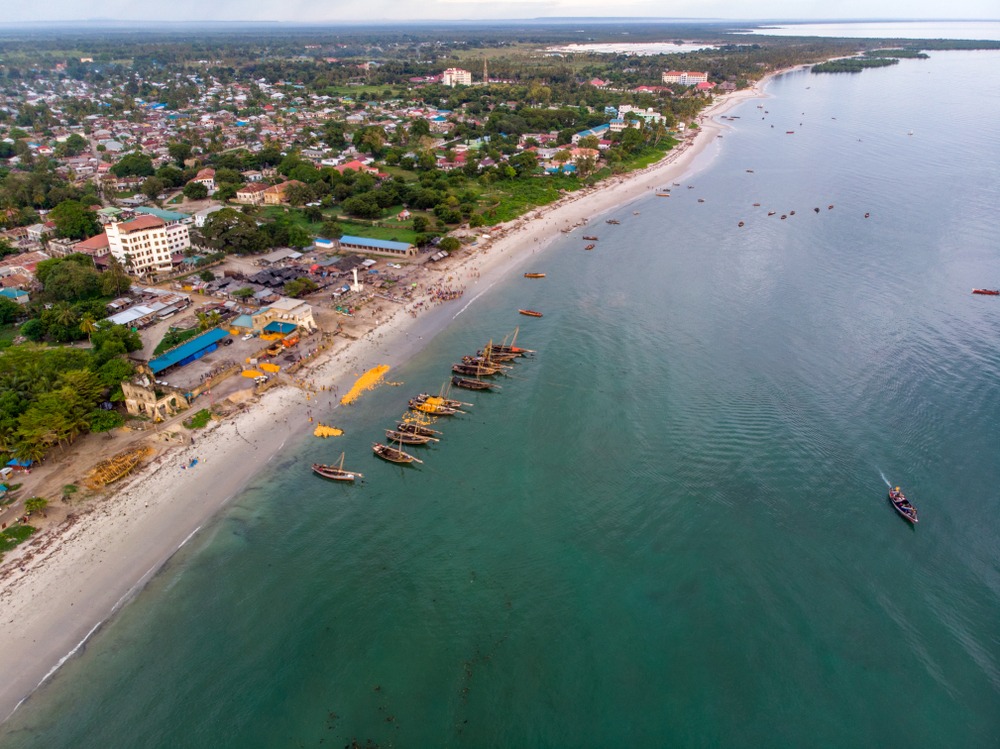
The process of traditional dhow boat construction also attracts curious visitors to Nungwi beach.
Kiwengwa Beach
Trendy young bars, seafood restaurants, five-star resorts—the atmosphere on the Kiwengwa coast is similar to Nungwi. On the northeast side of Zanzibar, the beach offers an incredible outlook over the Indian Ocean.
Pwani Mchangani Beach
The desire for sun and a dip in turquoise waters draws many vacationers to the Pwani Mchangani coast. The resort is located on the road between Kiwengwa and Matemwe. Cafés, restaurants, and gift shops line the shoreline.
Makunduchi Beach
Deserted and wild as one could wish, this beach is perfect for escaping the major tourist hustle. Discover it on the island's southern coast.
Pingwe Beach
Pingwe beach has become famous for its unusual restaurant, the Rock Bar, which sits perched on a rock rising from the seabed. To reach it, you must swim or take a dhow—no other transport available unless the tide is low, in which case the restaurant is accessible on foot. Beyond the Rock Bar itself, the shoreline is absolutely breathtaking.
Chapwani Island
A 30-minute ferry ride from Stone Town, the private island of Chapwani remains sheltered from major tourist flows. No telephone, television, or high-speed internet. An ideal destination for a honeymoon or romantic getaway to Zanzibar.
Green tourism destinations in Zanzibar
Jozani National Park
Balancing land and sea, the Jozani National Park combines beach relaxation with safari encounters with wildlife. The park's star attraction is the red colobus monkey. With a grey belly, russet back, and black arms, it's easily identified as it climbs through branches of almond trees. A 45-minute hike allows you to explore this lush vegetation, just 33 kilometers from the city.
Chumbe Marine Sanctuary
Located on a deserted island, the Chumbe Marine Sanctuary offers, through the quality of its coral reefs teeming with colorful fish, crabs, hawksbill turtles, and other creatures, an ideal refuge for nature lovers.
Practical information
When to visit Zanzibar?
Zanzibar is a tropical destination par excellence. It's recommended to travel to Zanzibar between June and October, when the coast enjoys fine and warm weather. December and January are also decent months, but the beaches are too crowded during this season.
Zanzibar is just a quarter-hour flight from Dar es Salaam. Two options are available to tourists: book a flight to Kilimanjaro or Dar es Salaam then take a connecting flight to the island, or book a direct flight from Paris.
Abeid Amani Karume Airport is located 5 km south of Stone Town. Major hotels offer shuttle service to transport guests to their accommodations. Without a shuttle, it's possible to rent a private vehicle. You're free to drive yourself or hire a driver.
For those wishing to travel by sea, high-speed ferries serve the archipelago from the Dar es Salaam docks. The journey takes two and a half hours and costs 70 to 80 USD.
What language is spoken there?
Swahili is the official language, but English is widely spoken in tourist areas, hotels, and restaurants.
What currency is used there?
The local currency is the Tanzanian shilling (TZS). US dollars are accepted in many establishments, especially for tourist payments. Plan to have local currency for everyday purchases.
What are the requirements for traveling to Zanzibar?
French citizens must have a passport valid for at least six months beyond the date of entry. A tourist visa is mandatory and can be obtained online (approximately 50 USD).
What vaccinations are necessary?
No vaccines are mandatory, but yellow fever vaccination is required if you're arriving from a risk country. Vaccinations against hepatitis A, typhoid, and yellow fever are recommended. Antimalarial treatment may also be advised: consult your doctor.
What is the security situation in Zanzibar?
Zanzibar is generally a safe destination. However, it's advisable to avoid isolated areas at night, remain vigilant with your personal belongings, and respect local customs. Minor thefts, such as pickpocketing, can occur, particularly in the Stone Town quarter.
How much does a trip to Zanzibar cost?
Budget approximately 1,200 to 1,800 € per person for a week all-inclusive (flights, accommodation, meals, excursions). Costs vary depending on the season and level of comfort chosen.
You'll love…
Dancing in the nightclubs of Nungwi ;
Sunbathing on sunny beaches ;
Touring the historic monuments of Stone Town ;
Paying tribute to the Old Arab Fort ;
Photographing the majestic Cathedral of Saint Joseph ;
Making friends with local fishermen ;
Dining at the Rock Bar ;
Dancing to the rhythm of tara'ab, a form of traditional Swahili music ;
Savoring local specialties.
Accommodation in Zanzibar Island
See all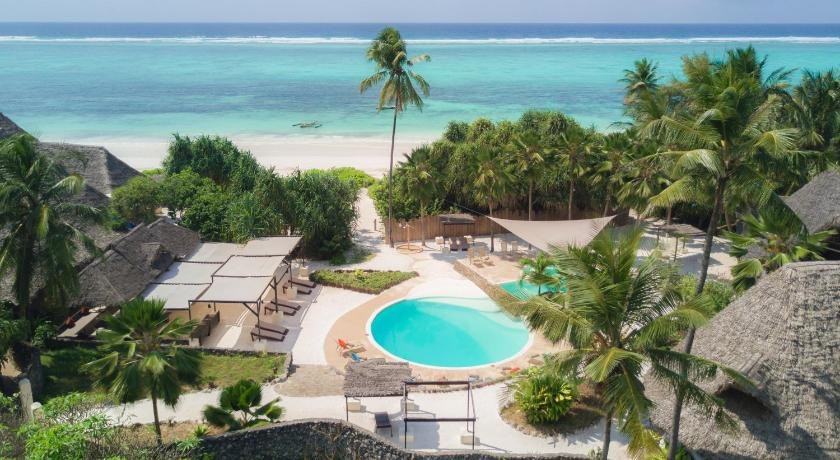
Zanzibar Pearl Boutique Hôtel & Spa
Boutique-hôtel 4 étoiles à Matemwe Beach, sur la côte nord-est de Zanzibar : 24 chambres et villas face à l'atoll de Mnemba, spa et cuisine multi-influences.
Zanzibar Sunrise
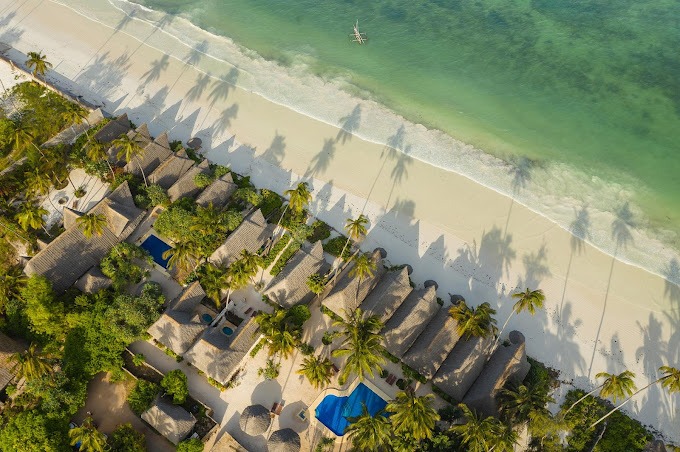
Hôtel de 18 villas en bord de mer à Matemwe, face à l'atoll de Mnemba. Architecture portée par les artisans locaux et démarche écoresponsable.
Cast Away Residence
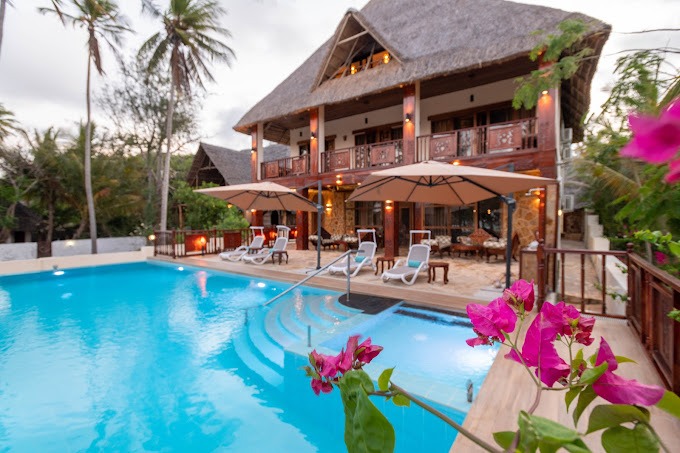
Hébergement de bord de mer à Kiwengwa, Zanzibar, en Tanga Stone et bois Muninga, avec plage privée, piscine à débordement et chambres vue mer.
Want to discover this destination?
Our local advisors design your tailor-made trip.