Arusha
Arusha
Arusha, gateway to Tanzania's greatest northern parks: safari in the national park, trek up Mount Meru, Maasai markets and the hot springs of Kikuletwa.
Capital of its namesake region, Arusha is an essential stop for travelers visiting Northern Tanzania. The city lies 45 km from Kilimanjaro International Airport, the starting point for countless safaris. Visitors typically spend one or more days here exploring its treasures, often at the beginning or end of a safari through the famous national parks.
Arusha offers countless natural and cultural treasures to discover during a stay. Highlights include the Arusha National Park, the stunning landscape around Mount Meru, craftsmanship at the Cultural Heritage Centre, collections at the former Boma Museum, and reptiles at Lake Duluti.
Brief History of Arusha
Arusha was founded by German colonists around 1900. After the military fort was completed in 1901, the young town experienced rapid commercial development. Following British control at the end of World War I, the territory gained independence in 1961.
Arusha is the birthplace of the Accords bearing its name, signed in 1993 between the Rwandan government and the Rwandan Patriotic Front. Negotiated under international oversight, they stipulated a ceasefire, power-sharing, and the formation of a unified national army. Despite their significance, the accords did not prevent the 1994 genocide. Nevertheless, they remain a key moment in Rwanda's peace process.
Arusha Today: A Crossroads of Tanzanian Safaris
Arusha is now the industrial hub of a region renowned for coffee, pyrethrum, cotton, and sisal production. It is also a regional center for peace and justice, hosting the headquarters of the East African Community and the African Court on Human and Peoples' Rights.
On the tourism front, the city is primarily known as a major safari crossroads thanks to its privileged location near numerous nature reserves, including Tarangire National Park, Serengeti National Park, Ngorongoro Crater, as well as Kilimanjaro and Mount Meru.
What to Do in Arusha?
1. Safari at Arusha National Park
The magnificent Arusha National Park is the nature reserve closest to the city. At the entrance, a rainforest welcomes you with towering trees and lush vegetation that form the realm of numerous primate species, including black-and-white colobus.
Bird enthusiasts will delight in discovering numerous bird colonies. Rare species such as pelicans, ibises, Hartlaub's turaco, hornbills, crowned eagles, and kites are present. Near the Momela Lakes, you'll find a colony of flamingos.
That's not all—numerous water points, ponds, and wetlands allow you to observe hippos, buffalo, and wild warthogs. You'll also encounter a healthy population of giraffes, zebras, leopards, and antelopes. With some luck, it's possible to spot lions and elephants.
2. Hot Air Balloon Ride
This is also a safari, but aboard a hot air balloon. This experience immerses you in the region's scenic landscapes, with uninterrupted views of wildlife: wildebeest, lions, and gazelles. You'll marvel at the true scale of the park, especially over the Serengeti.
3. Hiking Mount Meru
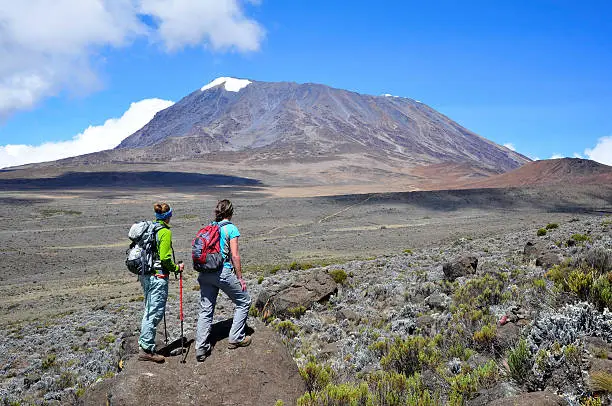
The trek up Mount Meru is somewhat a warm-up hike for those planning to climb Mount Kilimanjaro. It's a good way to acclimatize before attempting Africa's highest peak. But it's also an enjoyable trek in its own right. You can undertake a day excursion or commit to a full 3 or 4-day trek.
The trails offer stunning views of rivers and waterfalls below. You'll encounter impressive wildlife while catching glimpses of Kilimanjaro's eternal snows.
4. Visit the Cultural Heritage Centre
To immerse yourself in local culture, a visit to the Cultural Heritage Centre is essential. This site features a commercial art gallery with souvenir shops and a jewelry store. You can purchase decorative items, jewelry, antiques, and locally-crafted objects. The history and civilization of Tanzanian tribes are evoked through the arts and crafts of this center.
After your visit, a restaurant is available on-site for meals with family or friends. It offers a wide selection of dishes in buffet or à la carte format, including African specialties.
5. Stop at the Former Boma Museum
If you're passionate about history, a visit to the former Boma Museum is a must. Located in a former German military outpost, it presents the city's history, culture, rich fauna, and human evolution, notably discoveries from the famous Olduvai Gorges and Laetoli sites.
You'll learn about German colonization history. The museum also features a mini-serpentarium, mini-botanical garden, mini-zoo, and an insect study section.
6. Wander Through the Central Market
Located in the heart of Arusha, the central market (Soko Kuu) is a vibrant maze of colors and aromas. Beneath its roofs, stalls overflow with tropical fruits, fragrant spices, colorful fabrics, and Maasai craftsmanship such as sandals made from recycled tires. The vendors, warm and welcoming, happily share their traditions.
This lively place offers authentic immersion into Tanzanian daily life. It's best visited in the morning to enjoy the energy while avoiding crowds. Do watch your belongings carefully!
7. Swimming at Kikuletwa Hot Springs
Nestled between Arusha and Moshi, the Kikuletwa hot springs, or Chemka, offer an idyllic escape within a verdant sanctuary. Their crystal-clear water, pleasantly warm at 27°C (81°F), invites swimming in the heart of an oasis lined with palm and fig trees.
Access is via a bumpy track, but the effort is rewarded by an exceptional natural setting. Here, you can relax in the pristine water, enjoy a suspended swing for playful dives, or simply savor the peaceful atmosphere. A perfect spot to recharge after a safari or a Kilimanjaro climb.
Practical Information
When to Visit Arusha?
The dry seasons, from June to October and December to February, present the best periods to visit Arusha. The climate is favorable for safaris and temperatures are pleasant. Additionally, Mount Kilimanjaro reveals itself more clearly during these periods.
The rainy seasons (March–May and November) unveil verdant landscapes and fewer tourists. Note, however, that showers are frequent.
To reach Arusha, the main gateway is Kilimanjaro International Airport (JRO), located approximately 50 km from the city. From there, several options are available:
- Taxi: Available 24/7 at the terminal exit, the journey takes about one hour and costs between 40 and 50 USD.
- Shared shuttle: For around 25 USD, organized shuttle services offer fixed schedules, providing an economical and practical solution.
- Dala-dala (local minibus): The most economical option (around 10 USD), but less comfortable with irregular schedules.
- Hotel shuttle: Some establishments offer private transfers for around 60 USD, ensuring door-to-door service.
- Private 4x4: For optimal comfort and a personalized itinerary, this option costs around 100 USD.
It's recommended to book your transport in advance, especially during high season.
Local transportation options include:
- Dala-dala: Affordable minibuses, often crowded.
- Taxis: Available, though it's advisable to negotiate the fare beforehand.
- Car rental: Possible with or without a driver.
Where to Eat in Arusha?
Arusha offers a rich and varied culinary scene reflecting its cultural diversity. You'll find traditional Tanzanian dishes such as ugali, nyama choma (grilled meat), and mtori (green banana and meat stew). The city also offers a range of international cuisines, including Indian, Italian, Chinese, and Mediterranean.
Where to Stay in Arusha?
Arusha offers a wide range of accommodations suited to all budgets and preferences. Budget-conscious travelers can opt for youth hostels or friendly guesthouses with simple and affordable rooms. For mid-range comfort, 3 to 4-star hotels promise quality service at reasonable rates. Luxury enthusiasts will find upscale establishments offering refined amenities and stunning views of Mount Meru.
Attractions in Arusha
See all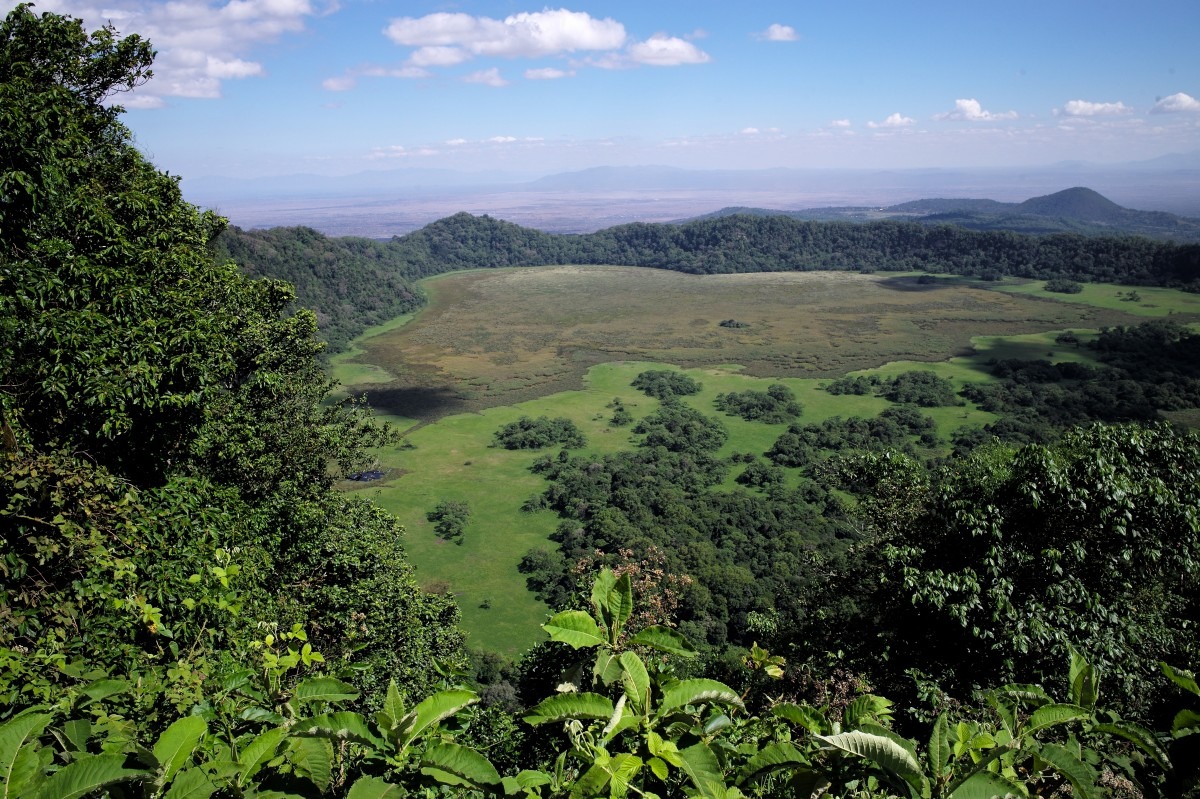
Cratère Ngurdoto
Caldeira volcanique de 3 km de diamètre dans le Parc national d'Arusha, le cratère Ngurdoto s'observe depuis six belvédères surplombant un sanctuaire fermé à la visite.
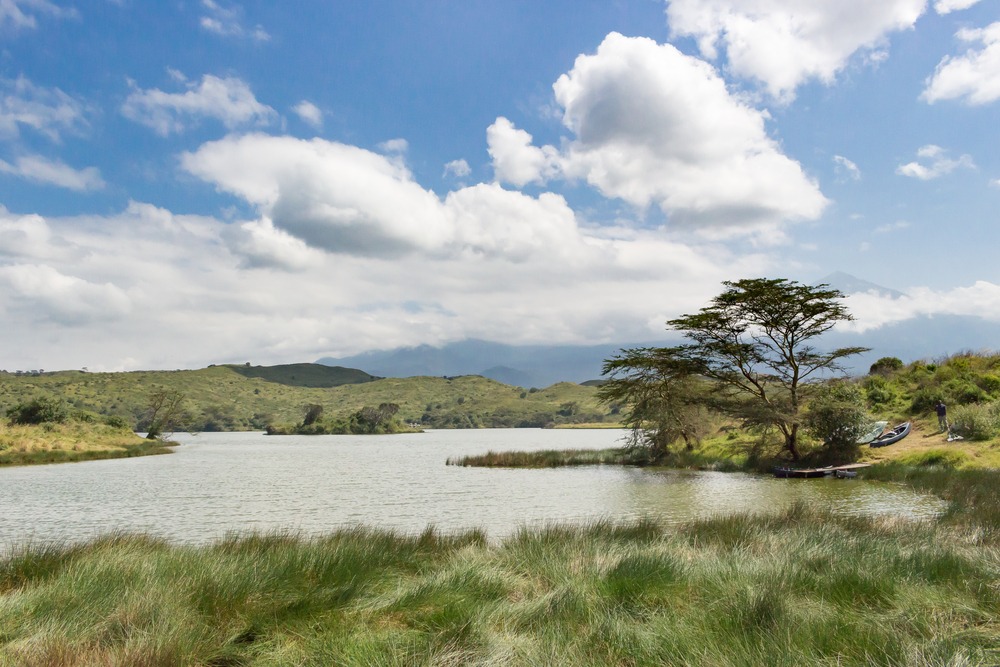
Lacs de Momella
Au nord-est du Parc national d'Arusha, sept lacs alcalins aux eaux turquoise abritent flamants roses, hippopotames et plus de 600 espèces d'oiseaux.
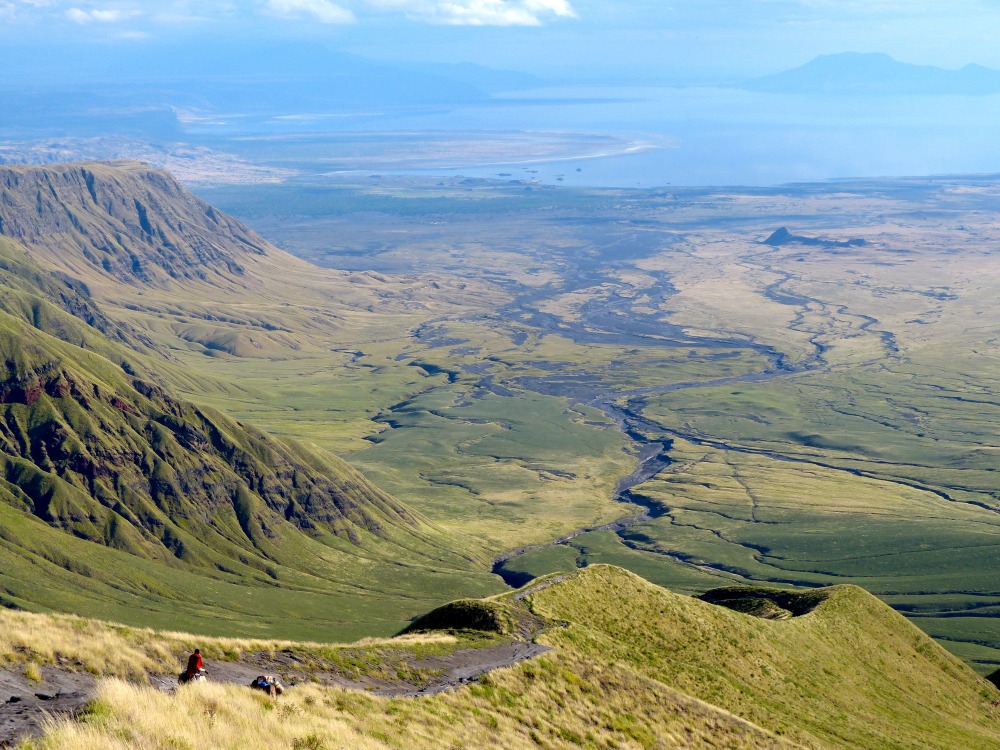
La vallée du grand rift
Du cratère du Ngorongoro au lac Natron, la portion tanzanienne du Grand Rift concentre cratères volcaniques, lacs alcalins et parcs nationaux majeurs.
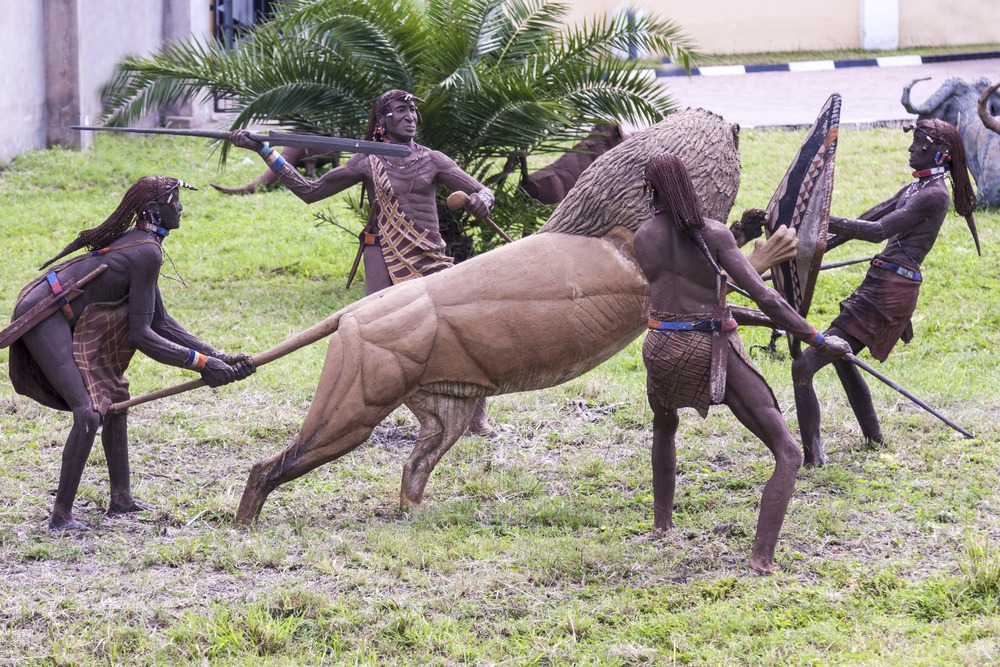
Musée d’histoire naturelle de Boma
Installé dans un fort allemand de 1899 au centre d'Arusha, ce musée présente l'archéologie d'Olduvai, l'histoire coloniale et la faune locale.
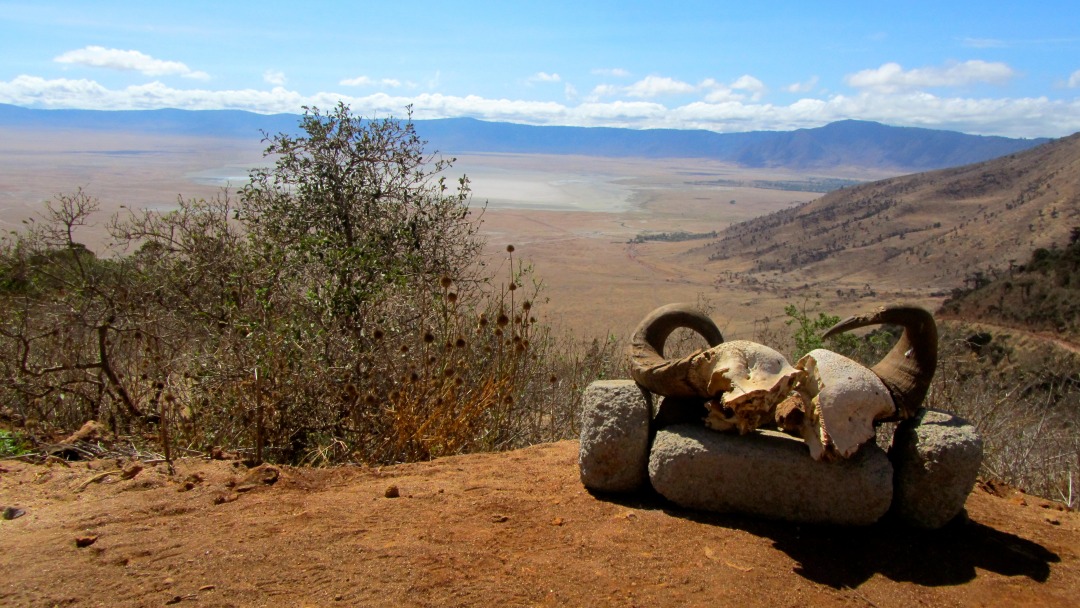
Aire de Conservation du Ngorongoro
Caldeira de 20 km, 26 000 mammifères et site UNESCO depuis 1979 : guide complet du Ngorongoro, à 180 km d'Arusha, dans le nord de la Tanzanie.
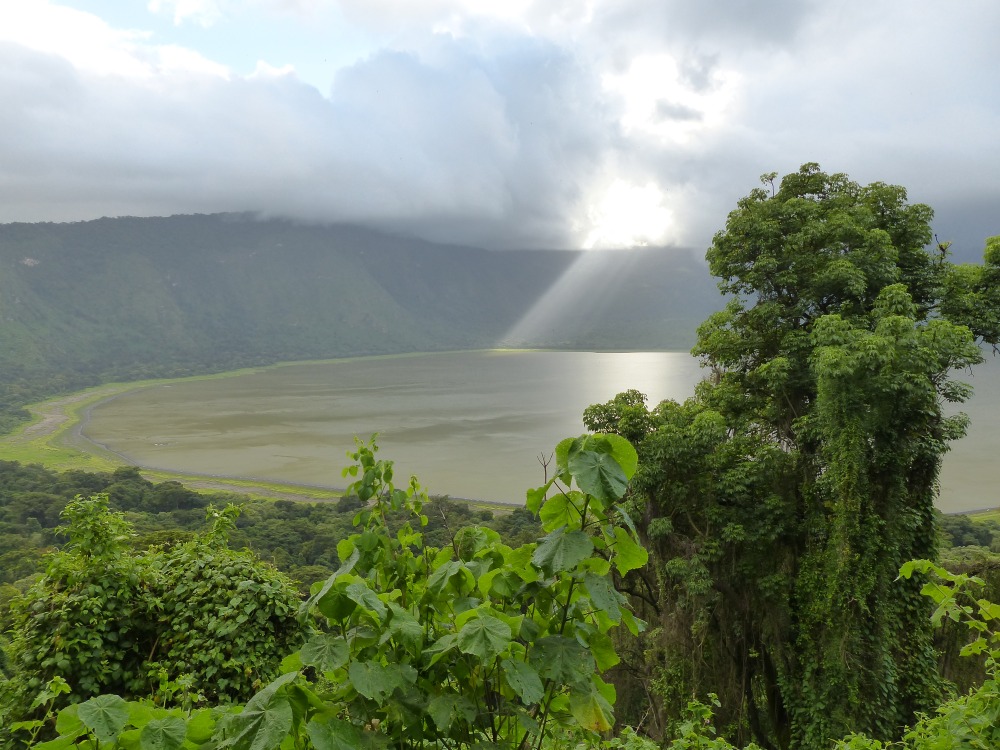
Cratère du N'Gorongoro
Plus grande caldeira intacte au monde, le cratère du Ngorongoro concentre les Big Five sur 300 km², à environ 180 km à l'ouest d'Arusha.
Accommodation in Arusha
See all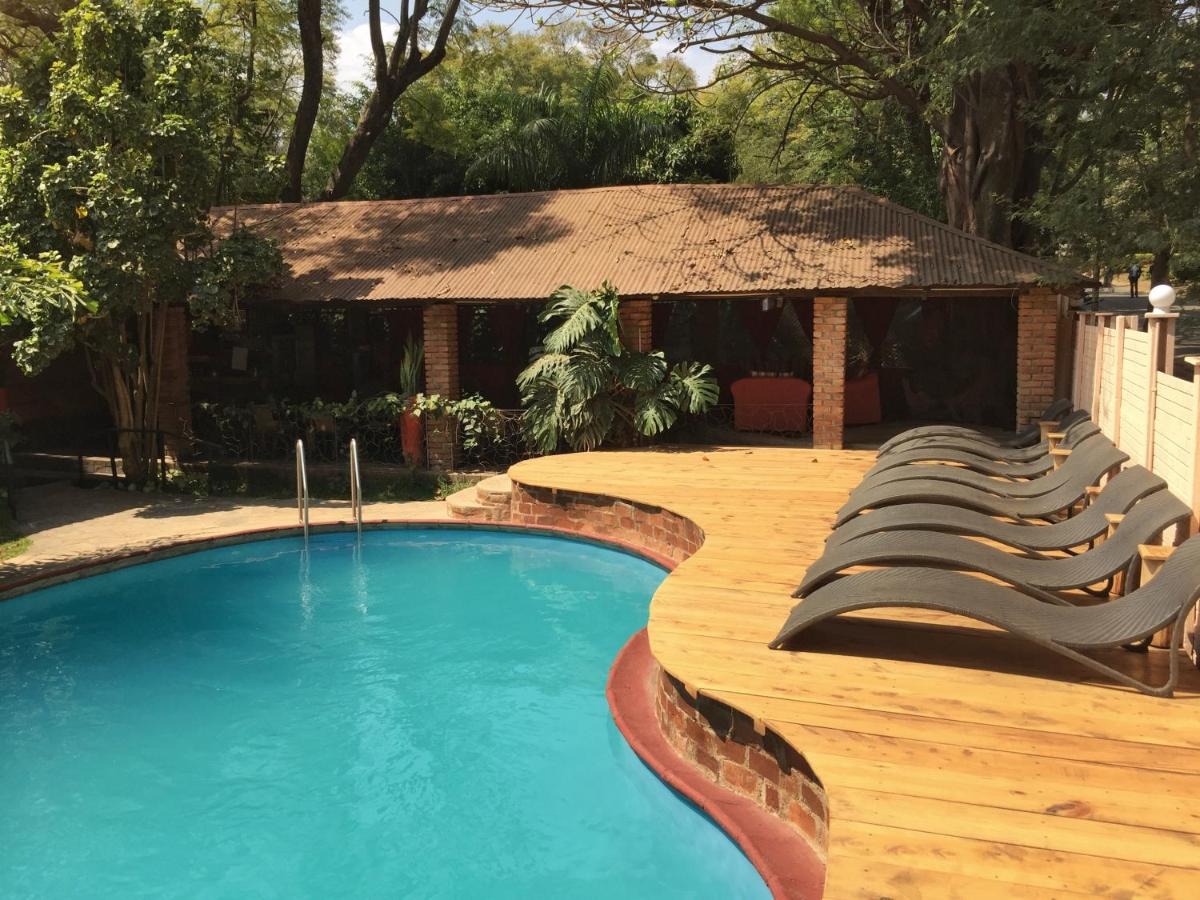
Outpost Lodge
Hébergement urbain situé au 37A Serengeti Road à Arusha, ville-porte des safaris tanzaniens. Chambres single à quadruple, restaurants et bureaux de change à proximité.
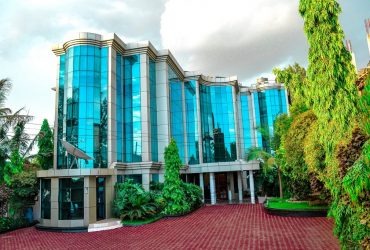
Le Point Zone Resort
Hôtel urbain situé dans le quartier de Mianzini à Arusha, à 1h15 de l'aéroport du Kilimandjaro, avec vue sur le mont Meru, restaurant Peacock et salles événementielles.
Want to discover this destination?
Our local advisors design your tailor-made trip.