Ngorongoro Crater
Ngorongoro Crater
The world's largest intact caldera, Ngorongoro Crater concentrates the Big Five across 300 km², approximately 180 km west of Arusha.
The Ngorongoro Crater is the world's largest intact caldera, located in the highlands region of Crater Highlands, in northeastern Tanzanie, approximately 180 km west of Arusha. Covering an area of roughly 300 km², it concentrates a rare density of wildlife in East Africa, including the Big Five. The crater is part of the Ngorongoro Conservation Area (NCA), designated as a UNESCO World Heritage Site since 1979.
Why visit Ngorongoro Crater
Ngorongoro brings together two rarely associated assets: an exceptional geological site and a permanent concentration of wildlife. Collapsed some 2.5 million years ago, the former volcano created a basin approximately 600 metres deep with its rim reaching nearly 2,300 metres in altitude. This closed ecosystem, sustained by permanent springs and a salt lake, retains resident wildlife that can be observed on safari within a single day.
Unlike the Arusha National Park or the vast expanses of the Serengeti, Ngorongoro offers compact terrain where jeep circuits remain short. Black rhinoceroses, now rare elsewhere in Tanzanie, have a high probability of being spotted here.
History of the site
In the early 1920s, the crater served as a big game hunting ground. Pressure on wildlife prompted colonial authorities to ban hunting in 1928. In 1930, the construction of a lodge nearby triggered a first wave of tourist traffic. The site was subsequently integrated into the Ngorongoro Conservation Area in 1959, under an original status that combines wildlife protection with maintained grazing rights for Maasai communities.
In 1979, UNESCO inscribed the area in the World Heritage list, initially for its natural criteria, then for its cultural criteria following recognition of neighbouring palaeoanthropological sites, including the famous Olduvai Gorge.
What to see in the crater
Terrestrial fauna
The crater is home to a resident population estimated at several tens of thousands of large mammals. Regularly observed species include:
- elephants (often elderly bulls with long tusks)
- black rhinoceroses, in a monitored population
- lions, including several resident coalitions
- leopards, more elusive, on the wooded rim
- buffaloes, zebras, wildebeest and warthogs
- Grant's and Thomson's gazelles, waterbuck and bushbuck
- spotted hyaenas and side-striped jackals
Birdlife
Nearly 500 bird species have been recorded in the conservation area. On Lake Magadi at the crater bottom, flamingos form dense flocks when salinity is favourable. The area also features the secretary bird, Livingstone's turaco on the forested rim, the black kite, the crowned crane, the ostrich and the kori bustard, one of the largest birds capable of flight.
Rim landscapes
The crater rim is covered in humid montane forest, where baboons, blue monkeys and, with luck, passing elephants are encountered. Viewpoints at the summit offer a complete overview of the caldera and serve as a stop before the descent.
Practical information
- Entry permit: mandatory, payable at the NCA entrance. High tariff in foreign currency, generally included in safari packages.
- Recommended duration: half a day to a full day of game drive in the crater; two days if combining with Olduvai and the rim.
- Vehicle: only 4x4s are authorised to descend into the caldera, accompanied by an approved guide.
- Accommodation: lodges on the rim (direct views of the crater) or more economical lodgings near Karatu.
- Altitude: the rim sits around 2,300 m. Bring a fleece for cool mornings.
When to visit
The crater can be visited year-round. The dry season, from June to October, remains the most favourable period: short grass, optimal visibility and passable tracks. November and March-April correspond to rainy seasons; vegetation is dense and some tracks may be slippery, but visitor numbers drop and landscapes are green. January-February offer a good compromise with often clear skies.
How to get there
The logical starting point is Arusha, the main base for safaris in northern Tanzanie.
- By road: approximately 3 hours from Arusha via Karatu, on a tarmac road to the Loduare entrance. The majority of visitors arrive by 4x4 with their operator.
- By air: regular flights from Arusha airport to the Lake Manyara airstrip, then a road transfer of approximately 1.5 hours to the crater.
- As part of a circuit: Ngorongoro is almost always included in an itinerary combining Tarangire, Manyara and the Serengeti.
Nearby
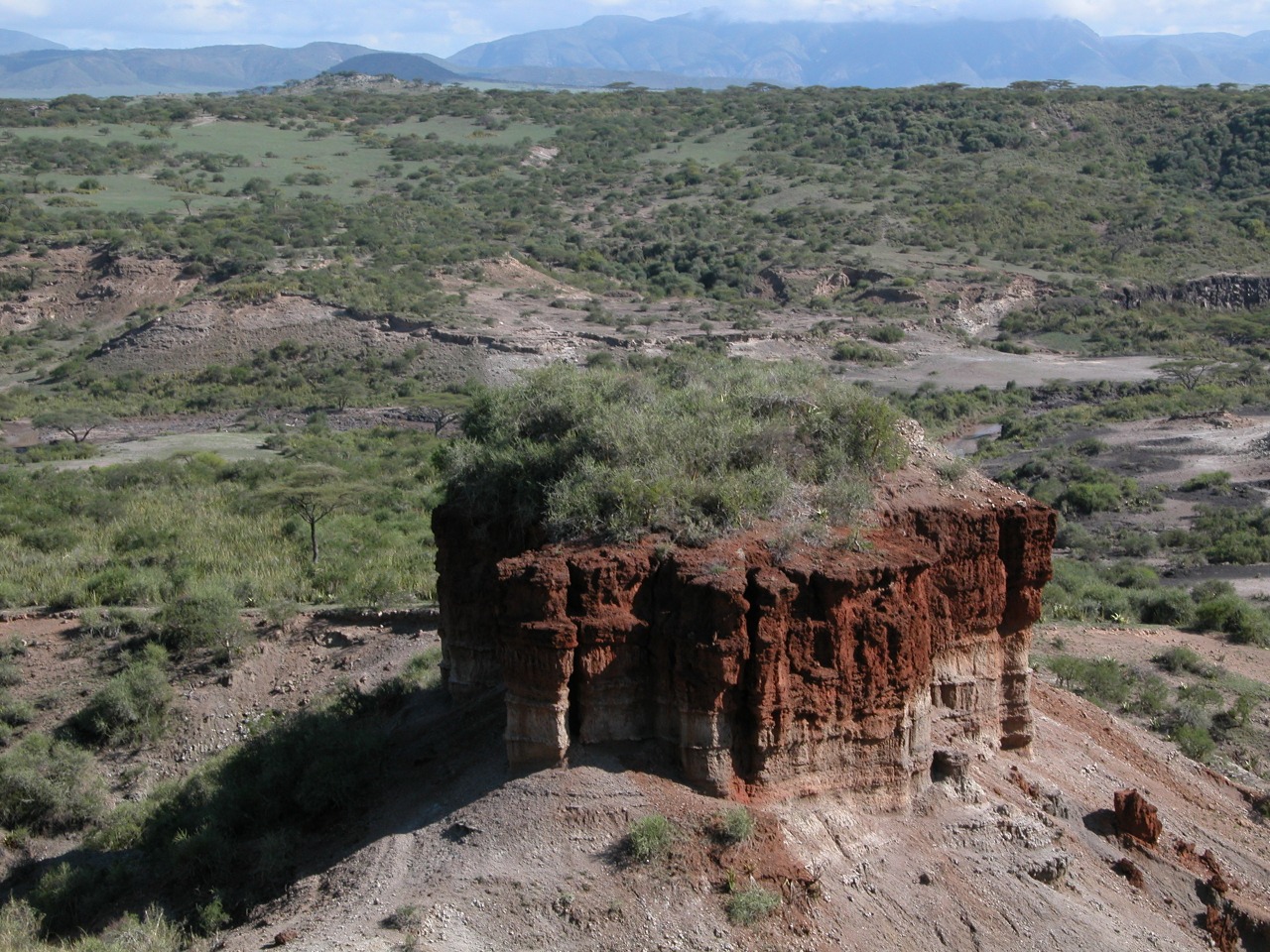
- Olduvai Gorge: major palaeoanthropological site, approximately 45 km to the northwest. Small museum and viewpoint overlooking sedimentary layers.
- Olmoti Crater: neighbouring caldera accessible by guided walk from Nainokanoka village.
- Lake Manyara: national park renowned for its tree-climbing lions and water bird populations.
- Serengeti: vast ecosystem to the north, scene of the Great Migration.
Frequently asked questions
Frequently asked questions
Plan your safari
Ngorongoro fits into most circuits in northern Tanzanie. To prepare your itinerary, check out our Tanzanie trips and combine the crater with other parks in the region.
Interested in this visit?
We can include it in your personalised itinerary.