Serengeti National Park
Serengeti National Park
UNESCO World Heritage site in northern Tanzania, the Serengeti welcomes the great wildebeest migration and concentrates lions, cheetahs and nearly 500 bird species.
Serengeti National Park stretches across the Mara and Simiyu regions in north-central Tanzania. Inscribed as a UNESCO World Heritage site in 1981, it welcomes each year the world's largest terrestrial migration of mammals and harbours a savanna ecosystem among East Africa's best preserved.
Why visit the Serengeti
The Serengeti remains synonymous with the Great Migration: more than 1.5 million white-bearded wildebeest, accompanied by zebras and gazelles, traverse its plains in an annual cycle driven by rainfall patterns. Beyond this phenomenon, the park concentrates a remarkable density of predators (lions, cheetahs, leopards) and nearly 500 bird species, making it one of the continent's most comprehensive safari destinations.
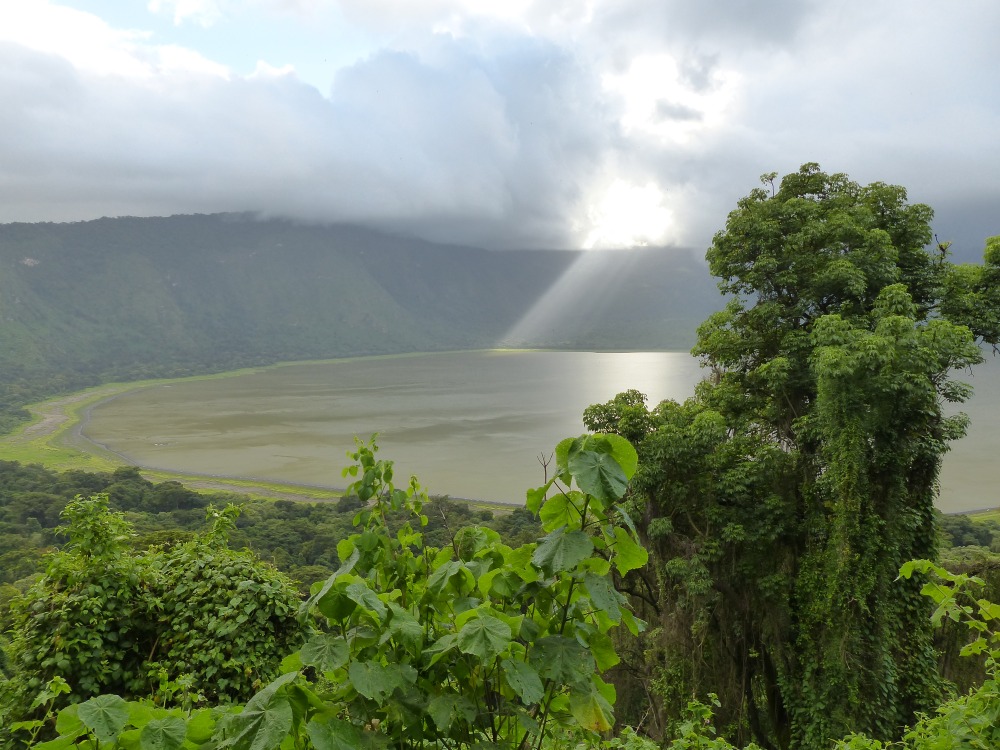
Landscapes alternate between grassy plains, kopjes (granite outcrops), riverine forests along the waterways, and hilly zones to the north. This habitat diversity explains the wealth of wildlife observable here.
History of the park
Serengeti was established in 1951 to preserve the wildlife of the plains, then threatened by hunting. In 1959, the Maasai people residing within the park's boundaries were relocated to the Ngorongoro Conservation Area, created to allow coexistence between pastoralism and wildlife. This decision, still debated today, profoundly shaped the history of conservation in East Africa.
The park's inscription as a UNESCO World Heritage site in 1981 consecrated the exceptional ecological value of the broader Serengeti–Mara ecosystem, a vast transnational area shared with Kenya.
What to see and observe
Large mammals
Serengeti's fauna is dominated by large herbivores and plains predators. Along the park's tracks you may encounter:
- Herbivores: buffalo, elephants, elands, impalas, giraffes, Grant's gazelles, topis, kongonis
- Predators: lions, cheetahs, leopards, servals, striped hyenas
- Reptiles: Nile crocodiles, Nile monitors, African pythons, black mambas, black-necked spitting cobras
The park's north, around the Mara River, concentrates the spectacular wildebeest crossings between July and October. The central area (Seronera) offers regular sightings of felines throughout the year.
Birdlife
With approximately 500 recorded species, Serengeti is also a major ornithological destination. Emblematic species include Fischer's lovebird (endemic to the region), the Kori bustard (one of the world's largest flying birds), Rüppell's griffon vulture, the Secretary bird, and the Southern ground hornbill. Wetlands and riverine areas attract numerous migrants between November and April.
When to visit
The park can be visited year-round, but the experience varies significantly by season.
- June to October (dry season): ideal safari conditions, low vegetation, wildlife concentrated around water sources. Wildebeest river crossings at the Mara typically occur between July and September.
- December to March: migrating herds are found in the southern park, particularly around Ndutu, with the wildebeest calving season (January–February).
- April–May and November: rainy seasons, lush landscapes, fewer visitors, though some tracks may be challenging.
To follow the migration, your choice of sector (south, centre, or north) should align with your travel dates.
Practical information
The park is open year-round. Entrance fees are charged per day, per person, and per vehicle, with separate rates for non-residents and East African residents. Budget for significant daily entrance costs, plus camping or accommodation fees, typically included in safari packages.
A few rules to observe:
- Remain in your vehicle except in designated areas
- Stay on marked tracks only
- Maintain distance from animals and never feed them
- Travel with an authorised guide-driver
A minimum of 3 days is recommended to experience the park's diversity; longer stays are worthwhile if you wish to follow the migration.
How to get there
The main entrance (Naabi Hill Gate) is approximately 325 km from Arusha, the classic starting point for northern safaris. The road journey requires about 8 hours by 4x4, passing through Ngorongoro. This route allows you to combine multiple sites on the northern circuit.
Flying is a viable option that significantly reduces travel time: internal flights connect Arusha to the park's airstrips (Seronera, Kogatende, Kusini) in under an hour. International flights land at Kilimanjaro International Airport, situated about 50 km from Arusha.
Nearby attractions
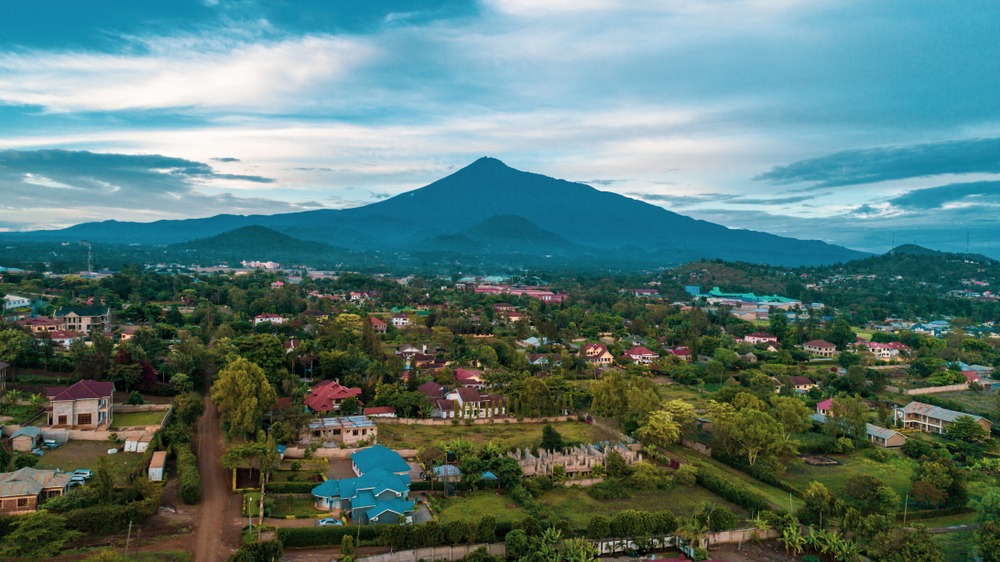
Serengeti is part of Tanzania's northern circuit and combines naturally with other major sites. To the east, the Ngorongoro Conservation Area hosts the famous crater and is an essential stop. Further west, the Great Rift Valley traverses the region and shapes its landscape. The town of Arusha, the northern hub, deserves a visit before or after your safari.
Frequently asked questions
Frequently asked questions
Planning your safari
Serengeti is one of the cornerstones of a northern Tanzania circuit. To build an itinerary combining the great plains, Ngorongoro crater, and Zanzibar beaches, consult our suggestions for Tanzania travel.
Interested in this visit?
We can include it in your personalised itinerary.