Ngorongoro Conservation Area
Ngorongoro Conservation Area
20 km caldera, 26,000 mammals and UNESCO World Heritage site since 1979: complete guide to Ngorongoro, 180 km from Arusha, in northern Tanzania.
The Ngorongoro Conservation Area lies approximately 180 km west of Arusha, within the Crater Highlands region in northern Tanzania. This 8,300 km² territory combines one of the world's largest volcanic calderas, dense wildlife populations, and the continuous presence of Maasai communities. It welcomes hundreds of thousands of visitors each year, making it one of the most visited sites on Tanzania's safari circuit.
Why visit Ngorongoro
The site brings together three rarely combined attractions. First, an exceptional concentration of animals: the crater alone is estimated to host over 26,000 mammals, including the Big Five (lions, elephants, buffalo, leopards and black rhinoceros). Second, major archaeological significance, with Olduvai Gorge nearby. Third, a unique management approach: the area is inhabited. The Maasai graze their herds in designated zones, which distinguishes Ngorongoro from neighbouring national parks like the Serengeti.
History and recognition
Ngorongoro was long part of a larger protected area that included the Serengeti. In 1959, the British colonial administration separated the two zones: Serengeti National Park became strictly dedicated to wildlife, while Ngorongoro was established as a multi-use conservation area, allowing coexistence between wildlife and Maasai populations.
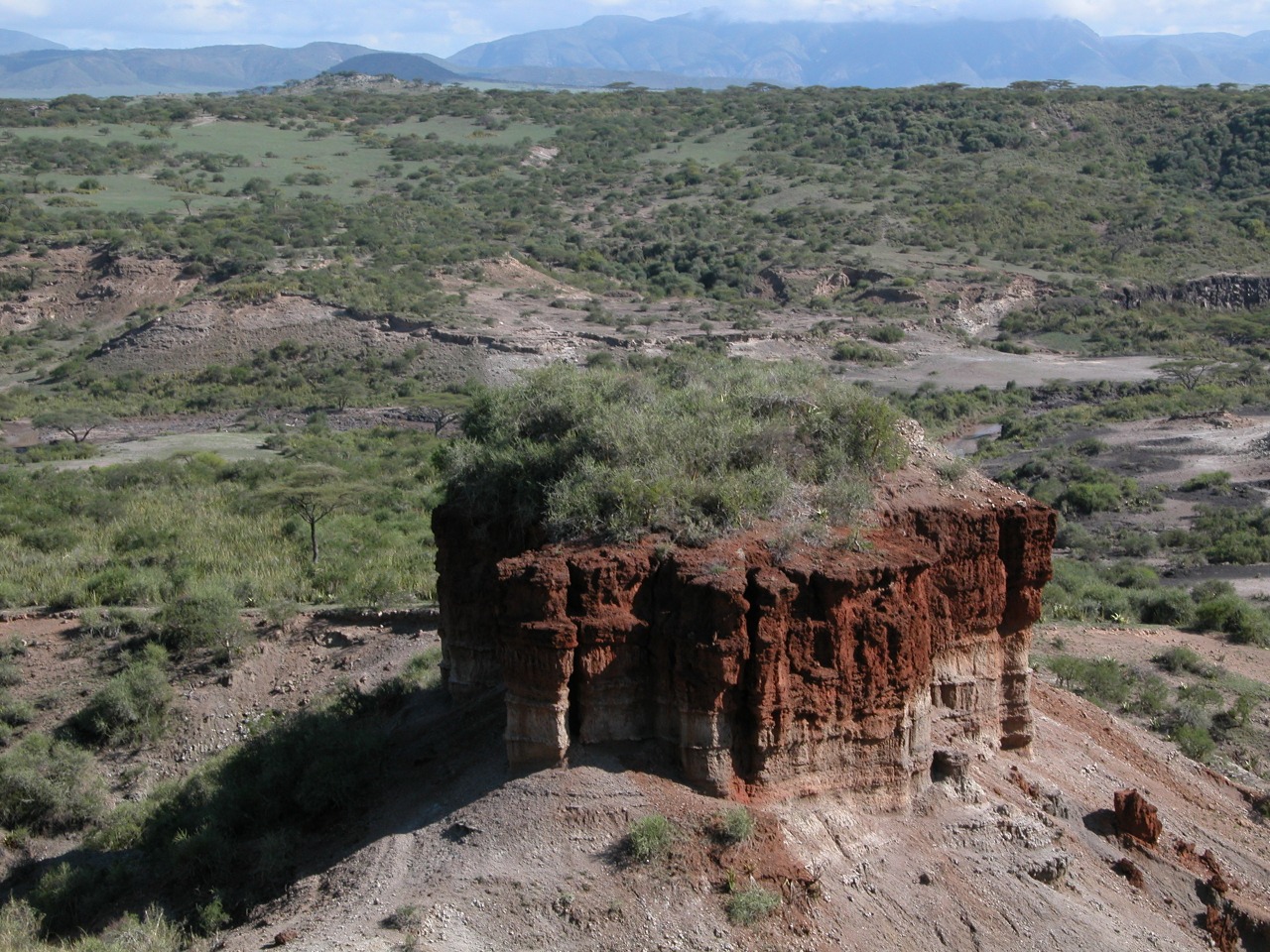
The site was inscribed as a UNESCO World Heritage site in 1979 under the natural criteria, later enriched with a cultural dimension through paleontological discoveries. Olduvai Gorge, excavated by the Leakey family from the 1930s onwards, has yielded hominid fossils over 2 million years old. Nearby, at Laetoli, bipedal footprints dated to over 3 million years ago earned the site the nickname "Cradle of Humanity."
What to see and do
The Ngorongoro Crater
The caldera of approximately 20 km in diameter forms the heart of the visit. Safaris are conducted in 4x4 vehicles, typically as half-day trips, descending via one dedicated track and ascending by another. You'll encounter lions, elephants, buffalo, hyenas, wildebeest, zebras and, with luck, the black rhinoceros, of which only a few dozen individuals remain in the area. The Lerai Forest on the crater floor is recognizable by its yellow acacias (fever trees) and regularly shelters rhinoceros and antelopes.
Birdlife and wetlands
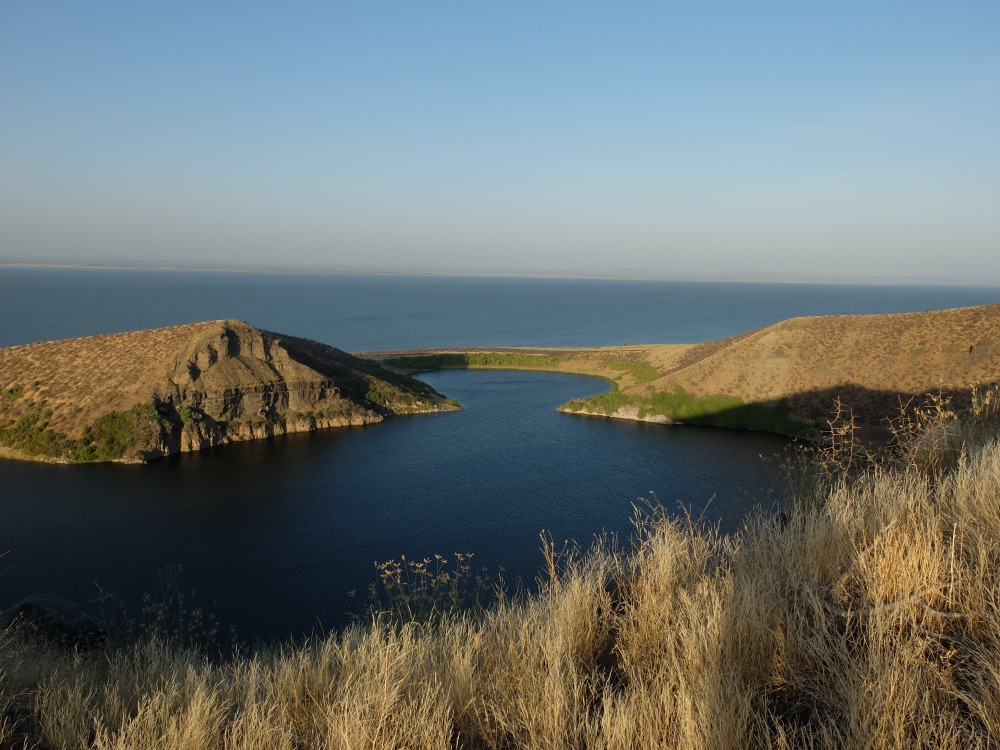
Ngorongoro is home to approximately 500 bird species. Lake Magadi, an alkaline lake on the crater floor, attracts flamingos, pelicans and crowned cranes. At higher elevations, you'll observe kori bustards, sunbirds and several forest raptors.
Secondary craters and viewpoints
- Olmoti Crater: accessible on foot from Nainokanoka village, it features a waterfall of approximately 100 metres and an easy walk through Maasai pastures.
- Empakaai Crater: less visited, it harbours a deep lake where flamingos congregate. On clear days, the panorama reveals Oldoinyo Lengai volcano and, on the horizon, Mount Kilimanjaro.
Olduvai Gorge and Laetoli
On the route between Ngorongoro and the Serengeti, Olduvai Gorge has a museum displaying fossils discovered by the Leakeys and casts of the Laetoli footprints. The visit combines easily with a day's travel.
Cultural encounters
Several Maasai villages, known as bomas, welcome visitors. The bomas located along established routes are the most touristy; more discreet meetings are available through certain lodges and operators. West of the area, around Lake Eyasi, live the Hadza, considered Tanzania's last hunter-gatherer people. An excursion allows you to join a morning bow hunt and observe their foraging techniques.
When to visit
Thanks to its altitude (the crater rim peaks around 2,300 m), Ngorongoro enjoys a temperate climate year-round, with cool mornings.
- Dry season (June to September, then December to February): optimal safari conditions, passable tracks, animals concentrated around water sources. This is the busiest period.
- Short rains (November) and long rains (March to May): dense vegetation, interesting light for photography, fewer visitors, observation of migratory birds.
To combine Ngorongoro with the wildebeest migration in the neighbouring Serengeti, December to March correspond to the calving season in the southern Serengeti.
Practical information
- Hours: the area is accessible from early morning until late afternoon. Descent into the crater operates within a more restricted window, with floor access closed mid-afternoon.
- Fees: entrance fees, vehicle charges and Crater Service Fee are set by the Ngorongoro Conservation Area Authority and revised periodically. Budget generously per day and person; verify current rates with your operator before departure.
- Recommended duration: two to three days to combine the main crater, Olduvai and either Empakaai or Olmoti.
- Accommodation: lodges on the crater rim for views, campsites and more budget-friendly lodges in Karatu.
- Equipment: layered clothing (cool mornings, warm days), binoculars, sun protection.
How to get there
The most frequented entrance is Loduare Gate, approximately 10 km from Karatu and 3 to 4 hours' drive from Arusha depending on road conditions. International visitors typically arrive at Kilimanjaro International Airport, located about an hour from Arusha. From there, travel is by 4x4 with driver-guide, an essential arrangement for moving through the protected area. A track then connects Ngorongoro to the Serengeti via Olduvai, allowing you to combine both sites in a single circuit.
Nearby
Ngorongoro fits into northern Tanzania's safari circuit. Before or after your visit, several stops enrich your itinerary:
- Arusha, the logistics hub for northern safaris.
- Arusha National Park, ideal for warming up before the major parks.
- Boma Natural History Museum, useful for contextualizing the paleontological discoveries at Olduvai.
Frequently asked questions
Frequently asked questions
Ngorongoro allows coexistence between wildlife and Maasai communities, who graze their herds there. This mixed management approach distinguishes it from neighbouring national parks, where human habitation is prohibited.
The conservation area covers approximately 8,300 km². The Ngorongoro Crater itself forms a caldera of about 20 km in diameter, among the world's largest.
Two to three days allow you to combine a day's safari in the crater, a visit to Olduvai Gorge and an excursion to Empakaai or Olmoti, with possibly a Maasai cultural meeting.
Yes. The site is open year-round. The dry season facilitates viewing large mammals, while the rainy season offers lush landscapes and richer birdlife.
Lodges on the crater rim offer the best views. For a more modest budget, Karatu, about 10 km from Loduare Gate, hosts numerous accommodations and serves as a convenient base.
Plan your safari
Ngorongoro combines with the Serengeti, Lake Manyara and Tarangire to form the classic northern circuit. To build a bespoke itinerary incorporating safari, cultural meetings and 4x4 logistics, consult our suggestions for travel in Tanzania.
Interested in this visit?
We can include it in your personalised itinerary.