Lake Turkana (Kenya)
Lake Turkana (Kenya)
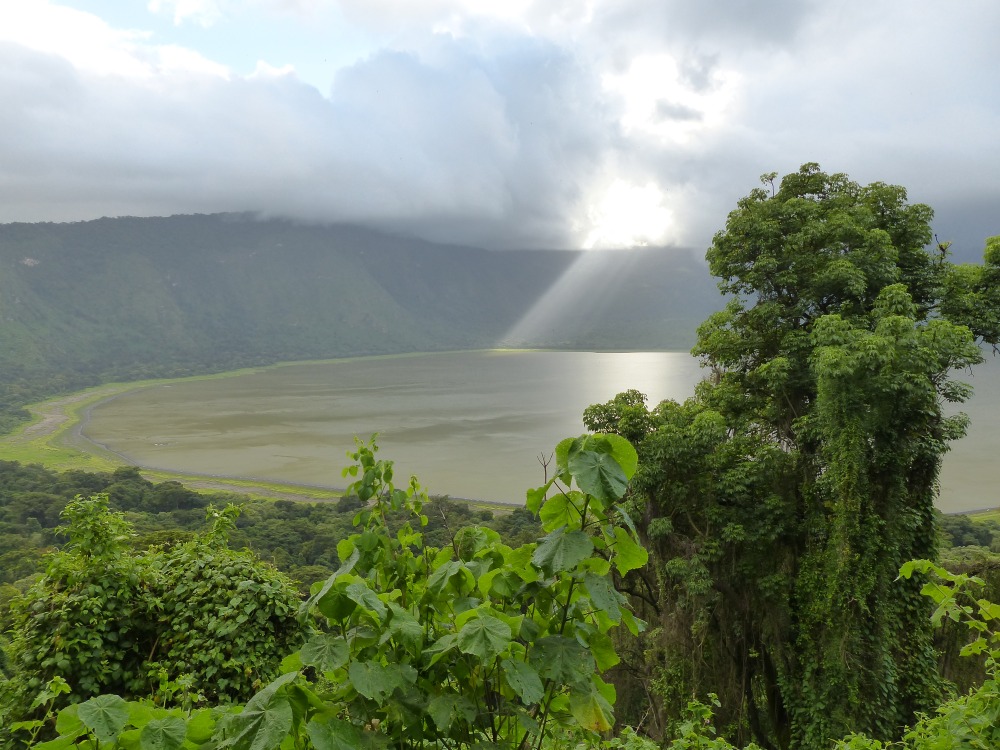
Nicknamed the Jade Sea, Lake Turkana stretches across 6,400 km² in northern Kenya. A UNESCO World Heritage site, birthplace of Turkana Boy and the world's largest alkaline lake.
Lake Turkana, nicknamed the Jade Sea, extends across the eastern arm of the Rift Valley, in northern Kenya, with its northern tip reaching into Ethiopia. Formerly known as Lake Rudolf (or Lake Rudolph), it is the world's largest alkaline desert lake. Its emerald-green hue, due to its wealth of volcanic minerals, earned it this evocative name.
Why visit Lake Turkana
Lake Turkana stands out for several rare features:
- The world's largest alkaline and desert lake, inscribed on the UNESCO World Heritage List since 1997.
- Cradle of major paleontological discoveries, including Turkana Boy, the most complete fossil of an early hominin ever found.
- Unique volcanic and mineral landscapes, halfway between desert and inland sea.
- A region still relatively untouched by tourism, perfect for off-the-beaten-path travel.
History and Heritage
The Lake Turkana basin is one of East Africa's most prolific archaeological sites. The lake, long known as Lake Rudolf, was renamed in 1975 in honour of the Turkana people, the dominant tribe in the region.
In 1984, Richard Leakey's team discovered Turkana Boy, a skeleton dated to 1.5 to 1.6 million years ago and attributed to Homo ergaster. It is the most complete fossil of an early hominin ever discovered. The original is housed at the National Museum of Kenya in Nairobi, while a replica and commemorative monument can be seen at Nariokotome, on the shores of the lake.
The 1997 UNESCO inscription recognises the site's exceptional ecological value as a breeding ground for the Nile crocodile, hippopotamus and habitat for numerous species of migratory birds.
What to see around Lake Turkana
Central Island and its crater lakes
Of volcanic origin, Central Island is home to three distinct crater lakes: one populated with tilapia, another attracting pink flamingos, the third serving as a breeding ground for Nile crocodiles. The island's summit can be reached in less than an hour's walk and offers a panoramic view of the entire lake. An overnight camping trip on the island is possible through local operators.
Eliye Springs
This small seaside resort on the western shore is recognised by its large dune and palm trees. The absence of mobile coverage makes it a retreat cut off from the world. Residents of Lodwar, the capital of Turkana District, come here to relax at weekends. It has a lodge and a few camping sites.
Ferguson Gulf
This shallow bay, lined with doum palms, welcomes pelicans, pink flamingos and yellow-billed storks. The Turkana fishermen still use traditional rafts made from driftwood, sometimes cited among the oldest vessels in human history. Boat trips with fishermen are possible.
Namorutunga site
The «People of Stone» refers to an alignment of basalt pillars identified as a place of worship dating back approximately 2,000 years. The Turkana still place pebbles there today as a sign of respect. The site also has an astronomical interest studied by archaeologists.
Kapedo hot springs
On the border between Baringo and Turkana counties, Kapedo is marked by hot water cascades that flow into the Suguta River. The surrounding volcanic environment is suitable for hiking.
Lobolo Wetlands
Located approximately 20 km north of Eliye Springs, these wetlands are home to pink flamingos, sacred ibis and numerous aquatic birds. The Lobolo Camp offers accommodation overlooking the lake.
Menhirs and rock art at Lokori
Stone circles and rock engravings testify to ancient ceremonial use. The site remains poorly documented and is best visited with a local guide.
South Turkana National Park
One of Kenya's least visited national parks. Fauna adapted to semi-arid environments: oryx, gazelles, elephants and large carnivores are recorded here. Visits recommended in 4x4 with an escort.
Lake Turkana Wind Power Station
On the southeastern shore, this wind farm features 365 wind turbines and provides approximately 15% of Kenya's electricity. It is one of the largest in Africa.
Practical Information
Lake Turkana is a demanding destination: long distances (the lake measures approximately 250 km long by 50 km wide, totalling 6,400 km²), few roads, limited tourist facilities. Plan for several days to explore even just a portion of the shore.
- Accommodation: lodges at Eliye Springs, Lobolo Camp, camping options at Central Island.
- Water and fuel: stock up well, supplies are rare outside Lodwar.
- Local guides recommended for excursions to the island, Namorutunga or Lokori.
- Wildlife: Nile crocodiles and hippopotamuses are present, be cautious on the shores.
When to visit
The best period runs from June to September, during the dry season: more bearable temperatures, passable tracks, favourable conditions for wildlife observation. Avoid the rainy season (March to May), when roads often become impassable. The climate remains hot and dry year-round, with temperatures frequently exceeding 30°C.
How to get there
The most common route is from Nairobi. Two main options:
- By plane: domestic flights to Lodwar airport, then road transfer to Eliye Springs or other points of interest.
- By 4x4: road from Nairobi via Kitale and Lodwar, allow two to three days of travel depending on track conditions. A four-wheel-drive vehicle is essential.
Given the considerable distances between sites, hiring a 4x4 with a driver or opting for an organised tour package remain the most practical solutions.
What else to see in the region
Lake Turkana is part of the vast geography of the Great Rift Valley, which crosses East Africa for thousands of kilometres. To extend your exploration of this region, several other sites are worth visiting: the Arusha National Park on the Tanzanian side, or the Amboni Caves for those interested in geological formations.
Frequently Asked Questions
Frequently asked questions
Lake Turkana is endorheic: it has no outlet to the sea. Water evaporates, leaving behind mineral salts that concentrate. The rivers that feed it also flow through volcanic soils rich in minerals, which increases its alkalinity.
Three main rivers: the Omo, which descends from the Ethiopian highlands and provides approximately 90% of the inflow, the Turkwel and the Kerio, both on the Kenyan side.
The region requires precautions: presence of Nile crocodiles and hippopotamuses on the shores, intense heat, isolated tracks. Travelling with a local guide or on an organised tour is strongly recommended.
Plan for a minimum of 4 to 5 days on site to explore the main attractions (Central Island, Eliye Springs, Ferguson Gulf), not including travel time from Nairobi.
Prepare Your Trip
Lake Turkana ranks among East Africa's wildest destinations. To plan your itinerary and combine this stop with other highlights of the region, consult our trips in Tanzanie and our bespoke East African circuits.
Interested in this visit?
We can include it in your personalised itinerary.