Mwanza
Mwanza
Perched on the shores of Lake Victoria, Mwanza blends granite boulders, Sukuma heritage and direct access to the Serengeti via the northwest. A captivating stopover.
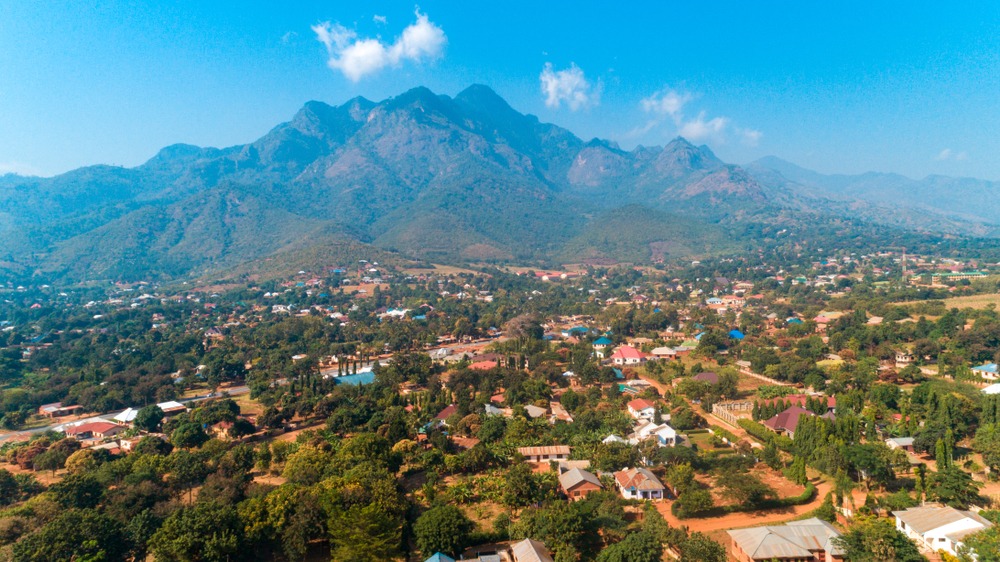
Beyond national parks and tourist circuits, Tanzania is home to many fascinating cities worth exploring, notably Mwanza. Not only does this city boast a rich historical heritage, but it also stands as one of the most important economic hubs in the country's North-West. Nestled on the shores of Lake Victoria and surrounded by hills, Mwanza truly deserves its place in your Tanzania itinerary.
History
For centuries, the Mwanza region has been home to the Sukuma people, whose life revolved around subsistence farming and pastoralism. The surrounding hills once served as defensive zones and sacred sites. Thanks to its strategic position on the lake's shores, the region gradually became an important trading hub between local communities and merchants from other areas.
In the late 19th century, Mwanza fell under German rule, followed by British control after World War I. Colonial settlers developed the port, trade routes and rail connections, transforming the city into a hub for cotton and fish commerce.
Mwanza Today
Following Tanzania's independence in 1961, Mwanza experienced rapid economic growth thanks to industrial fishing on Lake Victoria and modern infrastructure development. Today, it is the country's second-largest city. It serves as an important industrial and port center. The city is primarily devoted to agricultural enterprise—tea, cotton and coffee plantations.
Beyond cash crops, Mwanza is also a stopover for tourists heading to Ngorongoro, the Serengeti and Rubondo Island National Park. It earned the nickname "Rock City" due to the massive boulders rising from Lake Victoria's waters. These rocks scatter across the surrounding landscape, giving the city a uniquely dramatic topography.
What to Do in Mwanza?
Admire Bismarck Rock
A true emblem of Mwanza, Bismarck Rock is a must-see. This granite boulder stands precariously balanced just meters from Lake Victoria's shore. The natural monument offers a stunning vantage point over the city and lake waters. Visit at day's end: the sunset behind it creates a breathtaking spectacle.
Explore Saanane Island National Park
From Capri Point jetty, board a boat to Saanane Island. This tiny national park is home to impalas, monkeys, reptiles and numerous bird species. Its trails feature picnic areas and scenic viewpoints over the lake.
Visit the Sukuma Museum
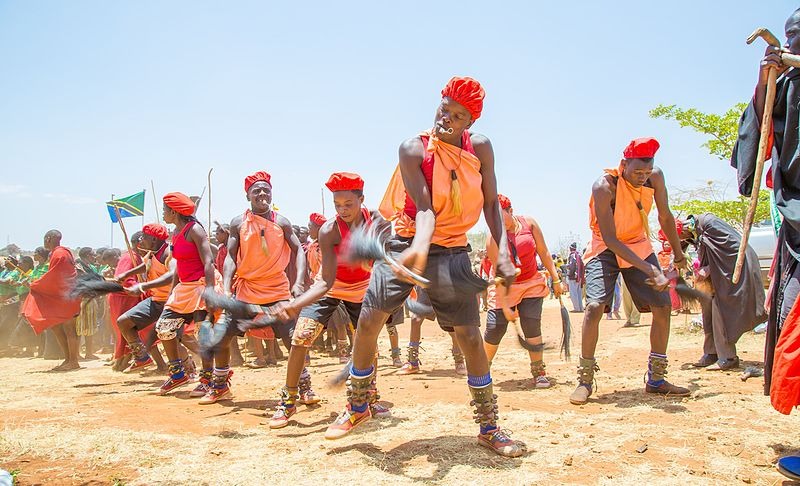
Slightly away from Mwanza's center, the Sukuma Museum invites you to immerse yourself in the culture of the Sukuma people, Tanzania's largest ethnic group. Through ancient objects, models, costumes, traditional dances and music, the museum offers a vibrant and authentic window into their heritage. You'll discover the richness of a culture intimately tied to Lake Victoria's shores.
Explore the City on Foot
Mwanza is ideal for an urban stroll lasting two to three hours. During your walk, discover the Indian quarter, German colonial buildings, the clock tower, churches and the Shia mosque. End your wanderings at the colonial commissioner's house. You'll gain a complete sense of the city's cultural diversity.
Embark on a Lake Victoria Excursion
It's unthinkable to visit Mwanza without exploring Lake Victoria. Board a boat cruise to watch the sunset from the lake, navigate to neighboring islands or venture out for a day trip to the famous Rubondo Island park (240 km²). There, you can hike through forest, observe chimpanzees and enjoy pristine wilderness.
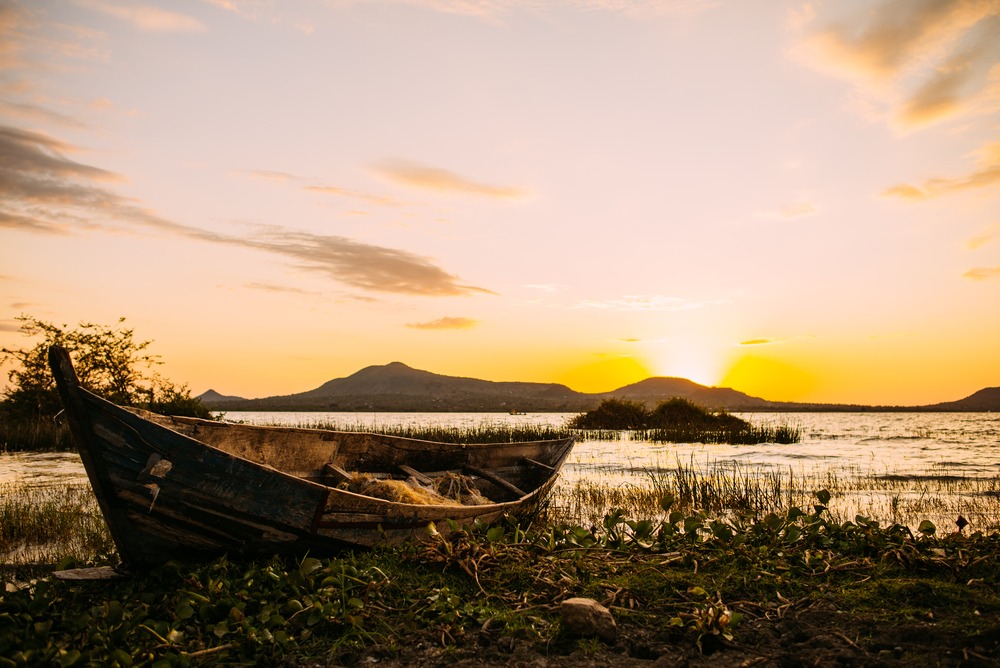
The closer Ukerewe Island is another compelling option. It's the largest island in Lake Victoria. Still relatively undiscovered, it captivates with its rural tranquility, peaceful beaches, lush forests and unhurried pace of life.
Taste Local Cuisine
In Mwanza, gastronomy reflects the spirit of Lake Victoria. Chargrilled tilapia, fresh from the day's catch, is the star of local tables. Prepared over charcoal and served with ugali, fresh vegetables and a lightly spiced sauce, it's savored in small restaurants and lakeside markets.
Safari in the Region's Renowned National Parks
Just 2 hours' drive from the Serengeti National Park and close to the Ngorongoro Crater, Mwanza is an ideal departure point for safari circuits to these legendary destinations.
When to Visit Mwanza?
Mwanza enjoys a tropical climate with rainy summers and dry winters. Annual rainfall averages 1,028 mm. The average annual temperature stands at 23.3 °C. The best time to visit extends from June to October, during the dry season, when skies are sunny and rainfall infrequent.
Mwanza International Airport (code MWZ) connects the city with all major East African destinations. Services include flights to and from Bukoba, Arusha, Dar es Salaam, Kigoma, Kilimanjaro, Zanzibar and Nairobi. From the airport, taxis and bus services are readily available to reach the city's various points of interest.
Those preferring rail travel will find daily trains departing for Mwanza.
By road from Dar es Salaam, you'll find daily buses to Mwanza with numerous options, including Green Star, Princess Moro and many others. The journey takes approximately thirteen hours.
In Mwanza, you can move about on foot, by taxi, by Daladala (public bus), by pikipiki (motorcycle) or in a rental vehicle.
Frequently Asked Questions About Mwanza
Is Mwanza Worth Visiting?
Yes. A regional hub, it's an excellent starting point for exploring Lake Victoria and Tanzania's North-West.
What Does Mwanza Mean?
The word "Mwanza" likely derives from the Sukuma expression "nye-nsukumale-aha," which means: "I, a Sukuma, am here." According to oral tradition, this phrase was spoken by the son of the Lushamba kingdom's ruler, along with his entourage, when they first arrived in the region.
Are There Crocodiles in Mwanza?
Yes, crocodiles inhabit Lake Victoria. While encounters near populated areas are rare, their presence cannot be ruled out. It is therefore advisable to remain cautious.
Is Mwanza a Safe City?
Yes, Mwanza is generally a safe destination for travelers. The atmosphere is calm and welcoming, and residents are renowned for their hospitality. As everywhere, it is wise to remain vigilant, especially at night or in isolated areas. Avoid displaying valuables and prefer traveling by taxi or accompanied after dark.
Attractions in Mwanza
Île d'Ukerewe
Plus grande île intérieure d'Afrique, Ukerewe se situe sur le lac Victoria, à 3 heures de ferry de Mwanza. Patrimoine, vélo et vie rurale tanzanienne.
Le peuple Sukuma
Plus grand groupe ethnique de Tanzanie, les Sukuma peuplent la région de Mwanza et du lac Victoria. Histoire, culture, danse Bugobogobo et visite pratique.
Accommodation in Mwanza
Want to discover this destination?
Our local advisors design your tailor-made trip.