The Sukuma People
The Sukuma People
Tanzania's largest ethnic group, the Sukuma inhabit the Mwanza region and Lake Victoria area. History, culture, Bugobogobo dance and practical visiting information.
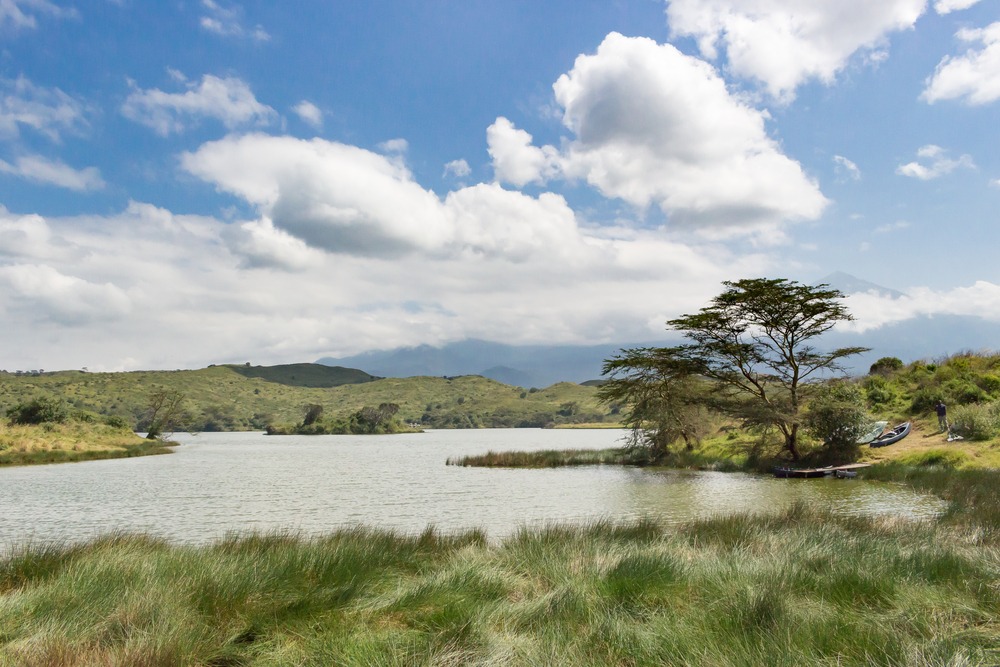
Tanzania's largest ethnic group, the Sukuma people represent approximately 16% of the country's population. Settled between the southern shores of Lake Victoria and the edges of Lake Rukwa, they inhabit a vast region in the northwest historically known as Sukumaland. The city of Mwanza, the country's second-largest urban center, is its main hub today.
Why meet the Sukuma
An encounter with the Sukuma offers a revealing counterpoint to Tanzania's safari image. This Bantu community has preserved a distinctive social organization, agricultural rituals, and musical traditions, while embracing modern Tanzanian life. The Bujora Cultural Center, about ten kilometers east of Mwanza, is the most structured entry point for understanding this culture: an ethnographic museum, a royal court reconstruction, dance demonstrations, and residential spaces for researchers.
History and social organization
The word sukuma means "north" in the local language: the Sukuma are literally the "people of the north." Before colonization, their territory was divided into independent chiefdoms. The ntemi held both ritual and political functions, supported by hereditary advisors who validated major village decisions.
In 1946, these chiefdoms united into a federation, which was later integrated into Tanzanian administration following independence. Today, approximately 80% of the Sukuma still live in rural areas, primarily engaged in cattle herding and agriculture, though migration to Mwanza has accelerated over the past two decades.
Sukuma culture explored
Language
The mother tongue is Sukuma, a Bantu language of the central group, still very much alive in rural communities. Swahili, Tanzania's lingua franca, is used for schooling, administration, and intercommunal exchanges.
Food and activities
Staple foods include sweet potato and millet, supplemented by maize, cassava, rice, beans, and garden vegetables. Meat and fish are typically reserved for special occasions: weddings, mourning ceremonies, and harvest festivals. The main cash crops are tobacco and cotton, which drive much of the regional economy.
Music and Bugobogobo dance
Music occupies a central place in Sukuma social life. Mostly male troupes accompany themselves with drums, the litungu (multi-stringed lyre), and nose flutes. The most famous dance is the Bugobogobo, known as the "serpent dance," which involves enormous live pythons manipulated by the dancers. Originally tied to agricultural rites and initiation societies, it is now most commonly seen at festivals and scheduled performances.
Beliefs
Animism remains the foundational belief system. The Nfumu, diviner-healer, mediates between the living, the creator god, and ancestors; consulted for illness, conflicts, or important family decisions. The Sukuma god is named according to context as Lyuba, Liwelelo, Lubangwe, or Seba.
Islam arrived in Mwanza via Swahili coastal caravans during the 18th and 19th centuries. Christianity followed with Catholic and Protestant missionaries, who accompanied their preaching with elementary schools. Today, all three traditions coexist, often within the same family.
Marriage
Marriage remains a pivotal moment. Once a bride is chosen, the groom's parents negotiate the bride price with the bride's family: this payment is called Kukwa. On the wedding day, the entire village participates and at least seven cattle are slaughtered for the feast. The groom's parents, however, do not attend the festivities: a sign of respect and the symbolic mark of a man's departure toward his new home.
Housing
Traditional housing is the circular or dome-shaped hut, made of earth with a thatched roof. It remains visible in many villages, often standing alongside more recent brick structures.
Practical tips for visiting
- Recommended setting: the Bujora Cultural Center near Mwanza is the most reliable way to encounter Sukuma culture without staged folklore. Budget 2 to 3 hours for a complete visit.
- Etiquette: always ask before photographing people, dancers, or sanctuaries. Clothing covering shoulders and knees is appreciated, especially in villages.
- Local guide: using an English-speaking guide is nearly essential to understand ritual codes and facilitate exchanges.
- Shopping: drums, printed textiles, and small wooden objects directly support local artisans.
When to go
The dry season, from late June to October, remains the best time to visit the Sukuma region. Tracks are passable, temperatures are bearable, and it's also the optimal window for combining your visit with a safari in the northern part of the country. The rainy season (March-May) makes rural travel difficult.
How to get there
Access is via Mwanza Airport (MWZ), located about ten kilometers from the city center and served by daily domestic flights from Dar es Salaam, Arusha, and Zanzibar. For long-haul flights, it's more convenient to land at Kilimanjaro International Airport (KIA) near Arusha, then connect with a domestic flight or overland transfer. Buses, trains from Dar es Salaam, and ferries on Lake Victoria are slower alternatives but possible.
What to see in the region
Meeting the Sukuma fits naturally into a northwest Tanzanian circuit. Several sites complement the visit:
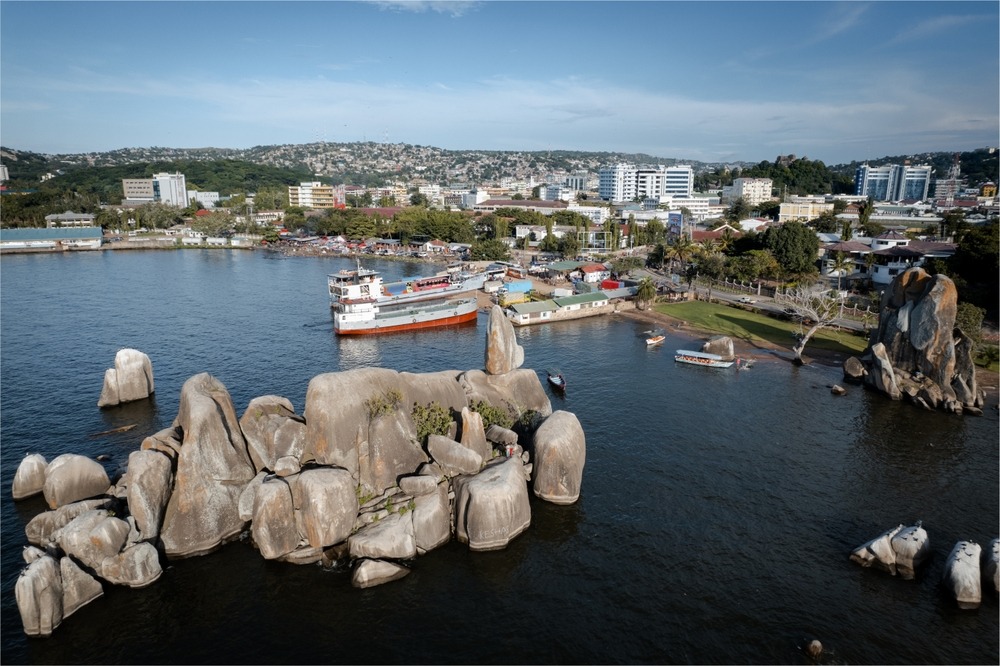
- Mwanza and its rock formations on Lake Victoria, including the famous Bismarck Rock.
- The Great Rift Valley, which structures East Africa's geography.
- The Amboni Caves, near Tanga, for their archaeological significance.
- The Natural History Museum of Boma in Arusha, useful as an ethnographic complement.
Frequently asked questions
Frequently asked questions
The Sukuma live primarily in the northwest part of the country, between Lake Victoria and Lake Rukwa. The easiest entry point for travelers is the Bujora Cultural Center, near Mwanza, which offers guided tours, a museum, and cultural demonstrations.
Both. Bugobogobo is an ancient ritual dance, still practiced at village ceremonies, but its most visible form today is the version presented at cultural festivals and scheduled performances. The troupes remain mostly male and the pythons used are live.
Greet in Swahili ("jambo," "karibu"), ask before photographing, avoid very short clothing, and work with a local guide—these are the basics. A small craft purchase or contribution to the cultural center is appreciated.
Learn more
To incorporate a meeting with the Sukuma into a broader itinerary combining safari, lakes, and culture, explore our custom Tanzanie travels.
Interested in this visit?
We can include it in your personalised itinerary.