Sumbawanga
Sumbawanga
Gateway to southwestern Tanzania, Sumbawanga serves as a base for safaris in Katavi National Park, Uwanda Reserve and Kalambo Falls, far from mass tourism.
A small town that continues to grow, Sumbawanga captivates visitors with exceptional charm. Everyone knows each other and greets with a friendly and welcoming atmosphere. The streets come alive especially in the evening when people take time to chat, leaning against their homes. You'll be invited to end the day at a café terrace to make precious and unforgettable connections with locals and fellow travelers.
This quiet little town sits on a dirt track and serves as a stopover for a night between safaris. There isn't much to see, but it's a starting point for exploring some remarkable sites in the country, including Katavi National Park, Uwanda Reserve, Lake Rukwa and Kalambo Falls. Sumbawanga is also a possible stop for passage to the town of Mbala in Zambia and the major Tanzanian city Mbeya.
Sumbawanga Today
Administrative capital of Rukwa region, Sumbawanga serves as a commercial and supply hub for the entire region. You'll find some government agencies here, including the transport department. The town also hosts Libori and Moravian conference centers.
In the town center, a small market allows you to buy local products and mingle with the population. You'll find food staples such as rice, vegetables, poultry, and fish caught from the surrounding lakes. You can also find various imported products like electronics, bicycles and spare parts. Several fuel retailers are available.
Must-See Sites Around Sumbawanga
Katavi National Park, the Major Attraction
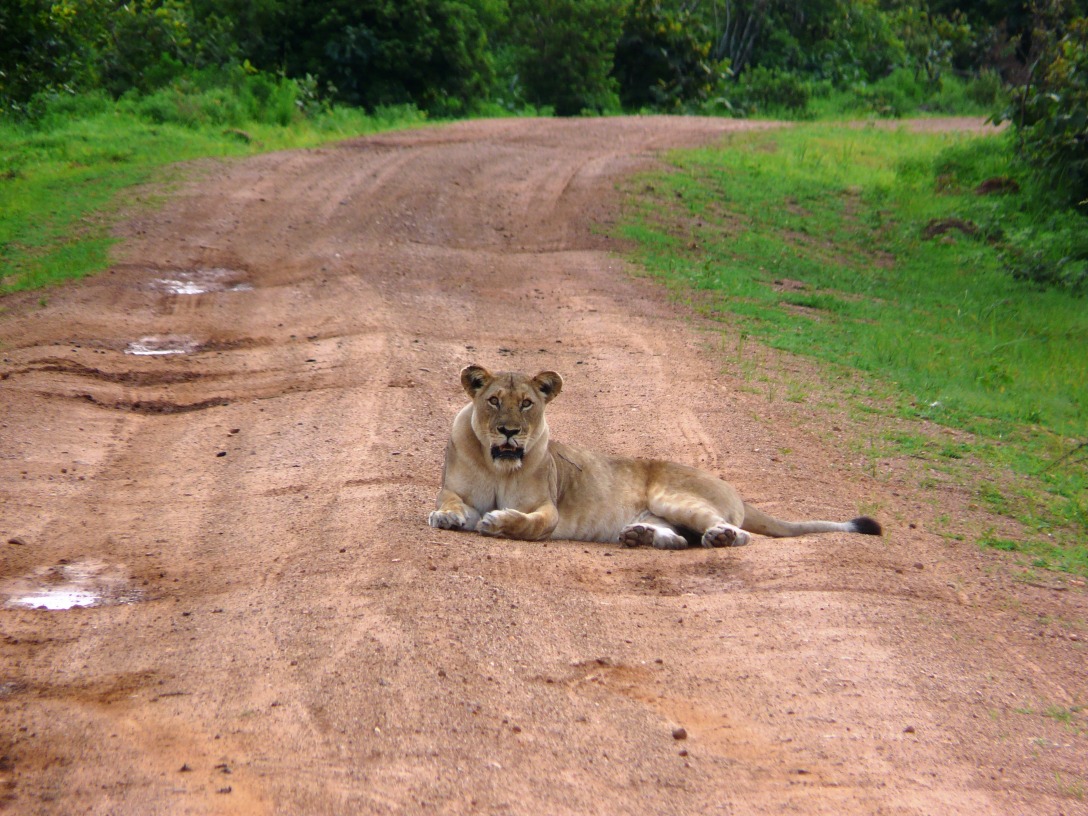
During a stay in Sumbawanga, a visit to Katavi National Park is a must. It's an opportunity to admire world-class wildlife far from mass tourism. You can enjoy walking safaris or open vehicle safaris. The site is renowned for its spectacular concentration of large mammals, especially during the dry season, which is the best time to visit. By heading to watering holes, you may encounter large herds of buffalo, elephants, zebras, duikers, giraffes, topis, waterbucks, elands, hartebeest and many others. Near the Katavi, Katuma and Chada rivers, predators such as lions, African wild dogs, leopards and hyenas can be observed.
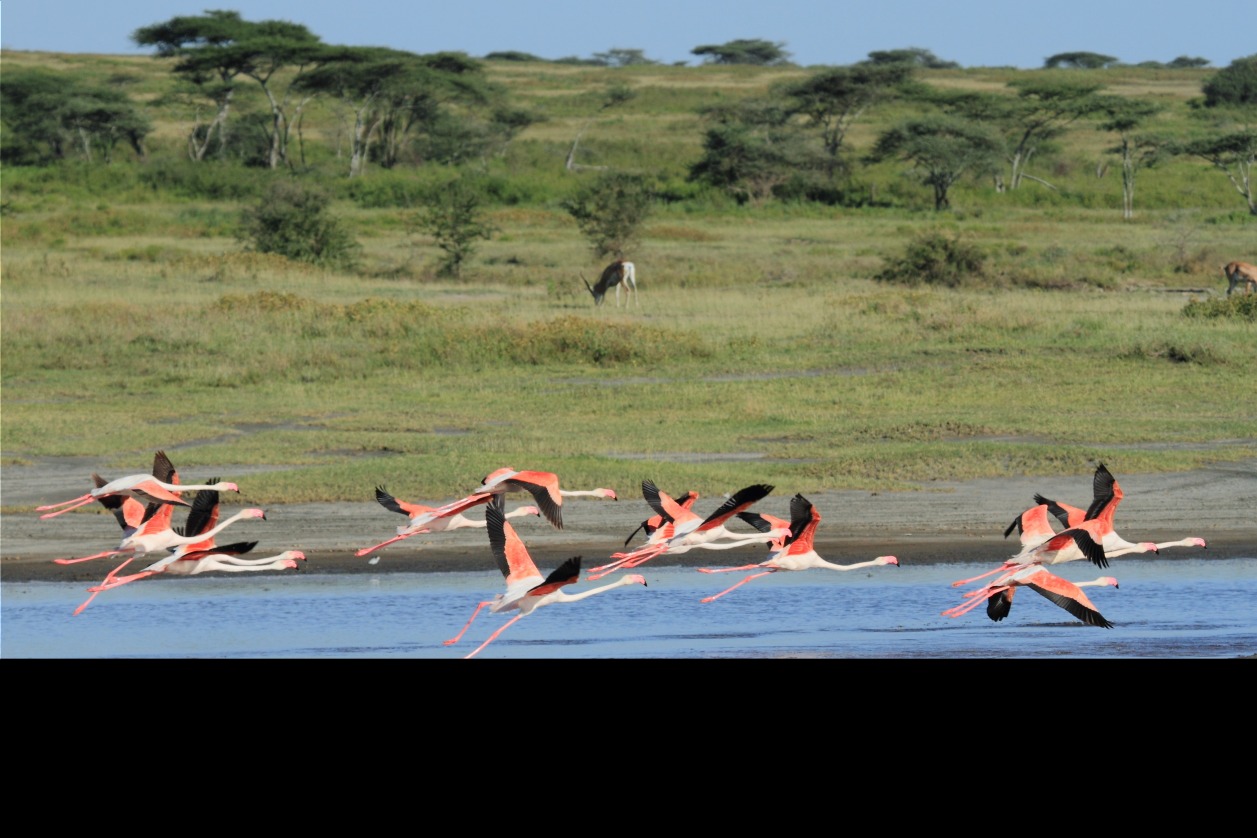
Among birds, more than 450 species exist at Katavi. The best period for birdwatching in the park is from November to April. This is when bird migration from Europe and North Africa occurs. The park's avifauna includes the African spoonbill, African oriole, sulphur-breasted buffy, carmine bee-eater, spotted pied-barbet…
Uwanda Game Reserve, an Extension of Katavi
The discovery of Rukwa region is inseparable from a visit to Uwanda Game Reserve. The Lake Rukwa occupies 80% of this site. It is famous for harboring the largest population of crocodiles in the country. Activities such as sport fishing, walking safaris and leisure boating attract tourists and excursionists to this area. The lake is inhabited by various fish species, including sardines, tilapias as well as powerful mud fish. In the terrestrial part of the reserve, you can encounter large numbers of buffalo and elephants. The lake shores serve as refuge for numerous bird species with its papyrus reeds. Among the 350 specimens present are ducks and migratory water birds. Local vegetation is dominated by Miombo trees and acacias.
Kalambo Falls, an Attractive Natural Site
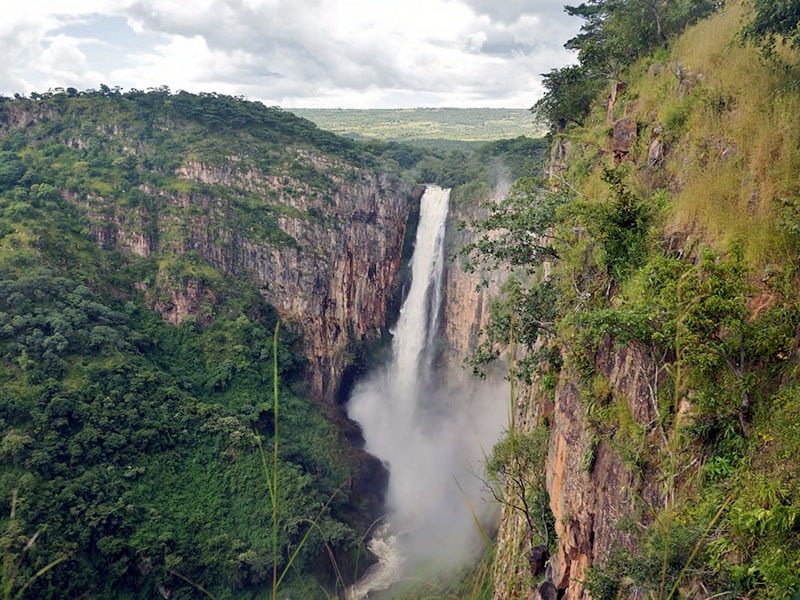
Located on the border with Zambia, the magnificent Kalambo Falls are natural gems to admire when you're on your way to Lake Tanganyika. The waterfalls are most powerful, and therefore most impressive, in May and June. However, everything depends on the amount of rainfall during the rainy season. Another aspect of the falls is the presence of a significant archaeological site above. Sometimes overlooked by visitors, the place holds considerable historical value in southern Africa. Human occupation of the site dates back to the Stone Age and early Iron Age. Tools and other artifacts dating back more than 300,000 years have been discovered there. It was Kalambo that provided the first evidence of fire use in sub-Saharan Africa. Charred logs, ashes and charcoal testify to this.
Practical Information
Climate
Sumbawanga experiences a warm oceanic climate with a dry winter. The average annual temperature is 18.7°C, while rainfall averages 552.5 mm per year. The months of April, October and November are suitable for visiting the town.
To reach Sumbawanga from Kitwe, you have four options: by bus, ferry, car or plane. The most economical way is by car, which takes about 17 hours and 20 minutes.
Want to discover this destination?
Our local advisors design your tailor-made trip.