Lake Natron
Lake Natron
A striking red alkaline lake in northern Tanzania, Lake Natron gathers up to 2.5 million lesser flamingos at the foot of the Ol Doinyo Lengai volcano.
Lake Natron stretches for roughly 58 km across northern Tanzania, near the Kenyan border. This alkaline and salt water body, with an average depth of just 50 cm, owes its deep red hue to concentrations of soda, natron minerals, and the proliferation of spirulina algae. Despite its extreme conditions, it welcomes each year one of the world's largest gatherings of lesser flamingos.
Why visit Lake Natron
Lake Natron holds a unique place in Tanzania's landscape. While most sites in the region draw visitors for their savanna wildlife, this lake captivates through its singular chemistry, mineral scenery, and the presence of the active volcano Ol Doinyo Lengai. The region remains far less crowded than the Serengeti or Ngorongoro, making it an ideal stop for travellers seeking raw wilderness, nights under canvas away from typical circuits, and exceptional bird life.
Three elements make the site unmistakable:
- water with red and orange reflections created by spirulina pigments
- the presence of the world's only volcano emitting carbonatite lavas
- the massive nesting of the lesser flamingo, classified as near threatened by the IUCN
Geology and history of the site
Lake Natron lies in a depression of the East African Great Rift Valley, the eastern branch of this vast continental fracture stretching from Mozambique to the Red Sea. Its endorheic basin has no outlet: water arriving mainly through the Ewaso Ng'iro River and hot springs can only escape through evaporation, concentrating salts and minerals.
The lake's waters are strongly alkaline, with pH levels exceeding 10, and reach high temperatures at the surface, particularly near hydrothermal springs. This hostile chemistry, inherited from sodium-rich ash from regional volcanism, also explains the nickname "petrifying lake": animals that die in it see their tissues calcify upon contact with sodium carbonate.
The lake's direct neighbour, Ol Doinyo Lengai ("Mountain of God" in Maa), remains a sacred site for the Maasai communities inhabiting the region. Its last eruptive phase dates to 2007-2008.
What to see and do
Endemic wildlife of the lake
Despite its apparent barrenness, the lake is home to two endemic fish species adapted to these extreme waters: Alcolapia latilabris and Alcolapia ndalalani. These tiny tilapias seek refuge in areas of lower salinity, near freshwater inflows.
The star remains the lesser flamingo (Phoeniconaias minor): between 1.5 and 2.5 million individuals gather here to breed, representing the majority of the species' global population. Adults filter spirulina, which gives them their pink colouration, and build nests of alkaline mud on the central mudflats, safely out of reach of terrestrial predators.
Ol Doinyo Lengai
The volcano is climbed at night, departing from a camp at its base. Plan for 5 to 7 hours of steep climbing to reach the crater at sunrise, and roughly 3 to 4 hours for descent. The effort is demanding: steep gradient, unstable terrain, elevation gain of approximately 1,600 m. A guide is mandatory.
Ngare Sero Waterfalls
A few kilometres from the village of Engaresero, a walk along the Ngare Sero riverbed leads to several pools and waterfalls set within a volcanic gorge. This accessible hike lasts 2 to 3 hours round trip and allows for swimming.
Encounters with the Maasai
Maasai villages bordering the lake offer guided tours of their bomas. These structured exchanges provide insight into the semi-nomadic lifestyle and pastoral herding that define the region.
When to visit
The lake is accessible year-round, though conditions vary significantly by season:
- June to October (dry season): best track conditions, manageable temperatures, peak flamingo nesting from August-September depending on the year.
- November and December: short rainy season, greener landscapes but sometimes difficult tracks.
- March to May: long rainy season, access can be complicated or impossible by road, higher lake levels reduce nesting surfaces.
- January-February: hot and dry period, birds still present, a good alternative window to peak season.
Practical information
- Accommodation: the Engaresero area concentrates most camps and lodges, from basic camping to upper-category tented camps.
- Guides: hiring a local guide is mandatory to approach the lake, climb Ol Doinyo Lengai, and visit the waterfalls. This is typically arranged through your lodge or directly with the local community.
- Entry fees: a community fee is collected at the conservation area entrance. Bring Tanzanian shillings in cash.
- Equipment: closed-toe shoes are essential (salt-crusted ground is sharp), ample water, a headlamp for the night-time volcano climb, and warm clothing for the volcano's higher elevations.
- Health: the lake's waters are caustic; swimming is not recommended. Malaria risk exists; preventive treatment is advised.
How to get there
Lake Natron is reached from Arusha, the main logistical hub for northern safaris. Two options exist:
- By road: allow 6 to 8 hours of driving in a 4x4 over approximately 240 km, much of it on rough tracks via Mto wa Mbu and Engaruka. The passage through volcanic landscape is itself a journey highlight. A four-wheel-drive vehicle is essential, especially after rains.
- By air: charter flights connect Arusha to Lake Natron airstrip in around 1 hour. This is a pricier option but allows easy combination with the Serengeti.
What to combine in the region
Lake Natron fits logically into a circuit through northern Tanzania:
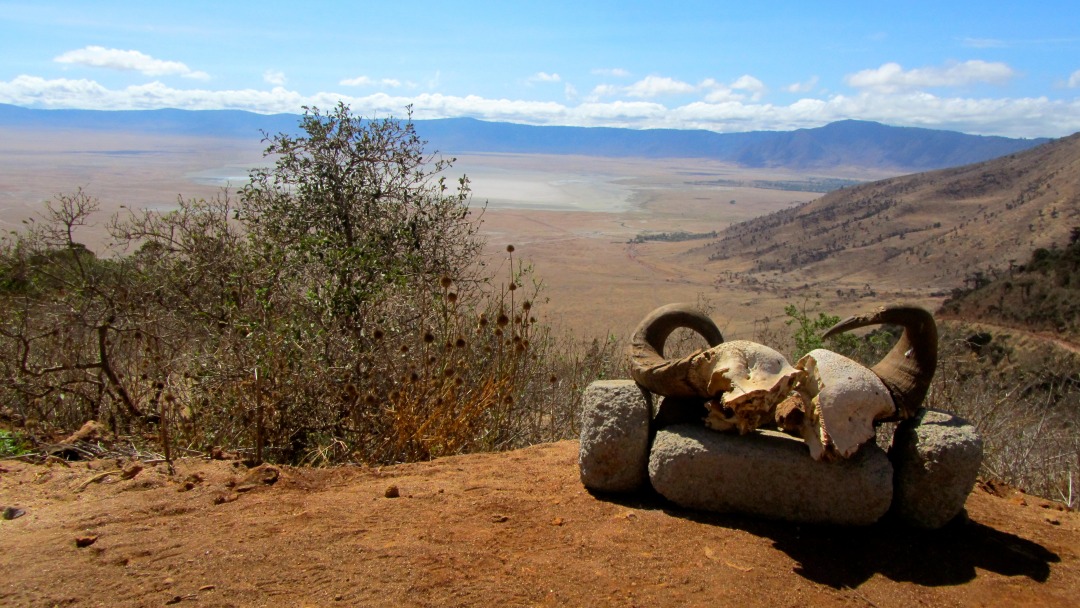
- Ngorongoro Conservation Area: the famous crater lies a few hours' drive to the south.
- Arusha National Park: a nearby stop, ideal for starting or ending your journey.
- Great Rift Valley: to place the lake within its broader geological context.
- Boma Natural History Museum in Arusha, useful for interpreting the landscapes you'll encounter.
Frequently asked questions
Frequently asked questions
No. The waters are strongly alkaline (pH above 10) and can cause skin and eye burns. Swimming takes place in the nearby Ngare Sero waterfalls.
Two nights minimum allow you to observe the flamingos, visit the waterfalls, and meet Maasai villages. Three nights are recommended to include a climb of Ol Doinyo Lengai.
No. It requires good fitness: steep slopes, significant elevation gain, night-time walking on slippery terrain. It is not suitable for beginner hikers or those with a fear of heights.
The most favourable period runs from June to November, with a peak generally between August and October depending on lake levels. The timing varies year to year based on rainfall patterns.
Organisation through a local agency or specialist operator is strongly advised: difficult tracks, mandatory guides, logistics, and community permits are easier to arrange in advance.
Prepare your journey
Lake Natron fits into a broader circuit through the volcanic landscapes and major conservation areas of northern Tanzania. To build a custom itinerary including this stop, explore our Tanzania travel suggestions.
Interested in this visit?
We can include it in your personalised itinerary.