Ngurdoto Crater
Ngurdoto Crater
A volcanic caldera 3 km in diameter within Arusha National Park, Ngurdoto Crater is observed from six viewpoints overlooking a sanctuary closed to visitors.
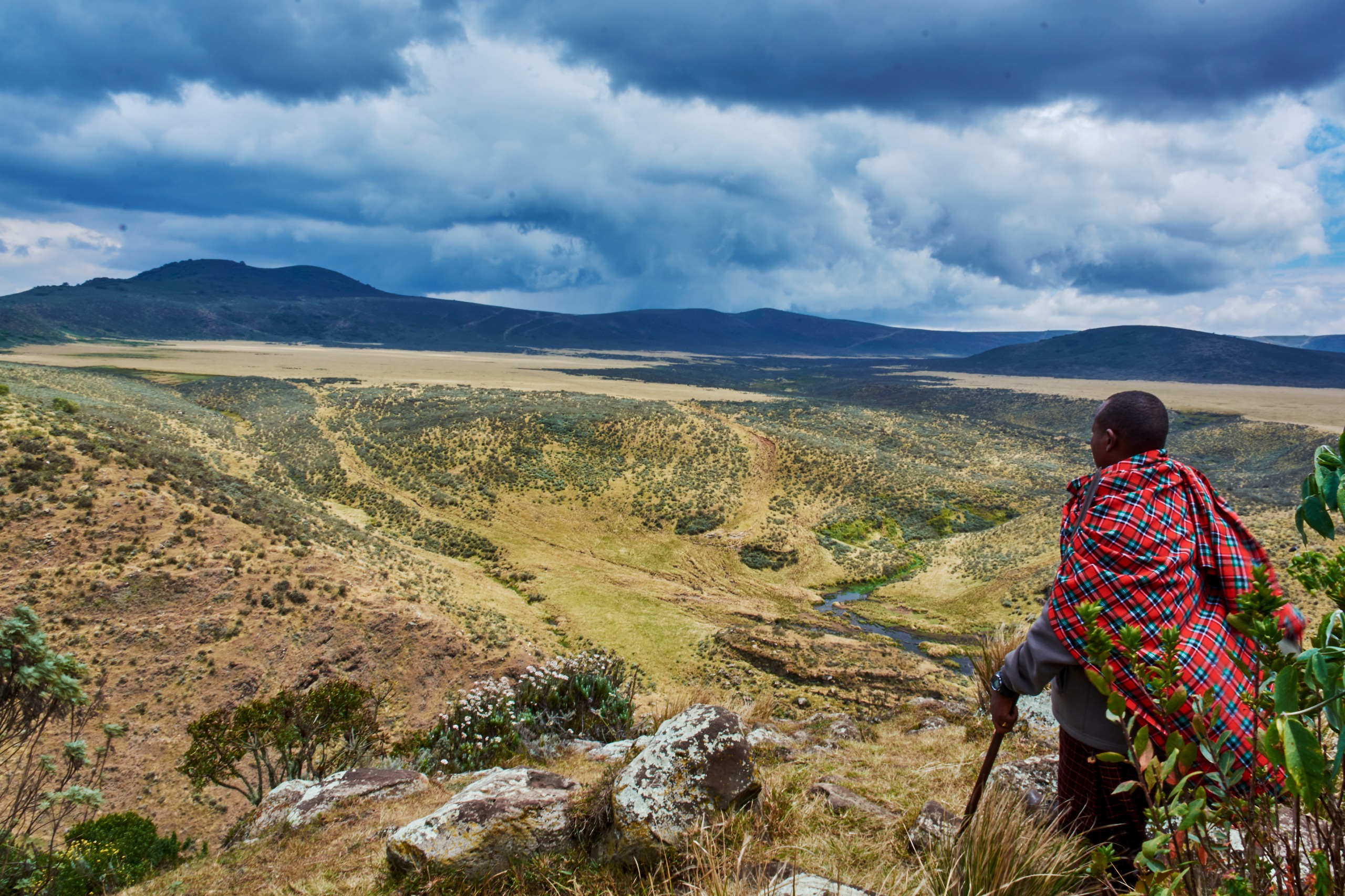
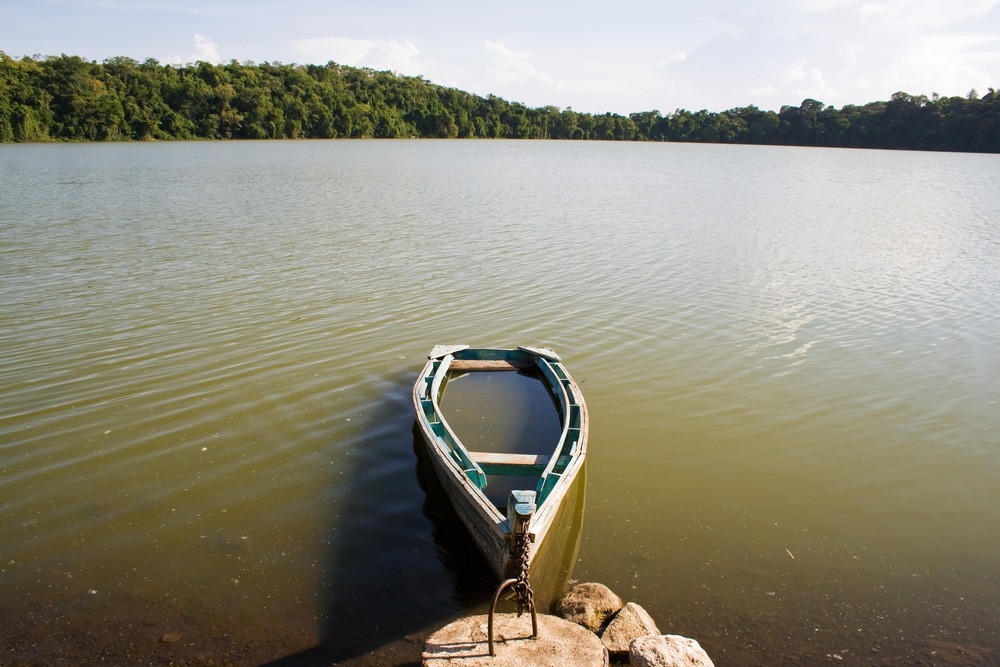
The Ngurdoto Crater is a volcanic caldera located in the eastern section of Arusha National Park, in northern Tanzania. Six viewpoints arranged along its rim allow you to observe a marshy basin closed to visitors, populated by elephants, buffalo and antelopes, with Mount Kilimanjaro as a backdrop on clear days.
Why visit Ngurdoto Crater
The site is one of the landmark stops in Arusha National Park. Unlike Ngorongoro Crater, its floor remains off-limits to visitors for conservation reasons, making it a natural sanctuary rarely disturbed by human activity. Wildlife roams freely here, observable from the viewpoints positioned along the rim. The setting combines dense tropical forest, steep cliffs and marshy grasslands within a confined perimeter, making it a valuable addition to a classic Tanzania safari.
History and formation
Ngurdoto Crater resulted from the collapse of an ancient volcano. The caldera today forms a ring of cliffs extending roughly 3 km in diameter, with its floor situated at approximately 400 m in depth. The site is an integral part of Arusha National Park, established to protect a tiered volcanic ecosystem encompassing humid forest, savanna and marshy zones. The Ngurdoto Museum, located on the road leading to the crater, presents the geological history of the site and the species inhabiting it.
What to see and do
The six viewpoints
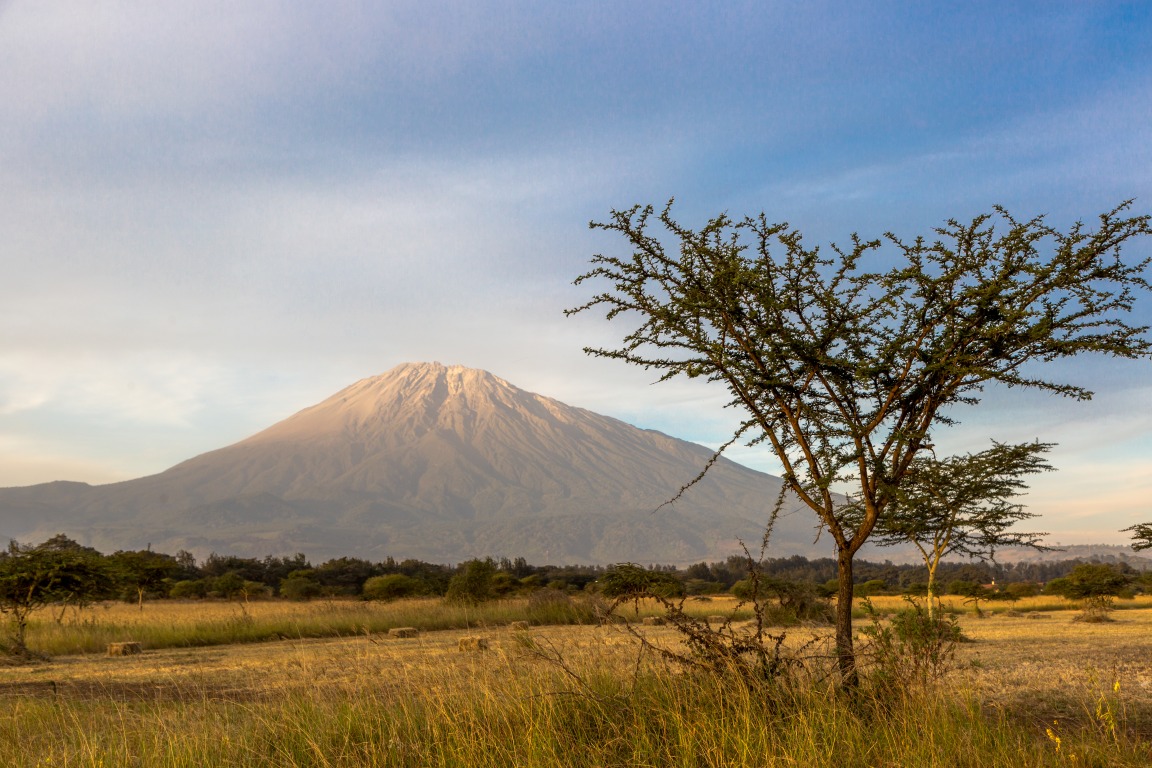
A tour of the crater's rim is conducted by 4x4 vehicle, with successive stops at six arranged viewpoints. Each offers a different angle on the caldera: dense tropical forest on one side, sheer walls and the grassy basin below on the other. On clear days, Mount Kilimanjaro appears to the northeast, roughly 20 km as the crow flies. Since the crater floor is inaccessible, observation is conducted exclusively from these elevated vantage points—binoculars are recommended.
Visible wildlife
The crater floor and surrounding forest host diverse wildlife:
- Mammals: elephants, buffalo, antelopes, leopards, hyenas, primates, warthogs
- Birds: hammerhead stork, spur-winged goose, herons
The basin's marshes particularly attract buffalo herds and waterfowl.
The Little Serengeti
West of the crater, the area known as Ndogo Serengeti ("Little Serengeti" in the Maasai language) extends your visit. This open grassland zone allows observation of giraffes, zebras, buffalo and antelopes in a landscape quite different from the forested caldera.
When to visit
Arusha National Park, and therefore Ngurdoto Crater, is accessible year-round, weather permitting. Two periods stand out depending on your objectives:
- June to October: dry season, ideal for wildlife safari with passable trails and fauna concentrated near water sources
- December to February: lush vegetation, prime period for birdwatching
Afternoons can bring thunderstorms even during the dry season: bring waterproof protection.
Practical information
Entry to Arusha National Park is fee-based, with separate rates for adults, children aged 5 to 16, and free admission for under-5s. Additional charges apply for vehicle access. Since tariffs are regularly adjusted, verify current rates with the park authority before your visit.
Plan for a half-day to a full day to tour the crater's viewpoints and include a stop at Ngurdoto Museum.
How to get there
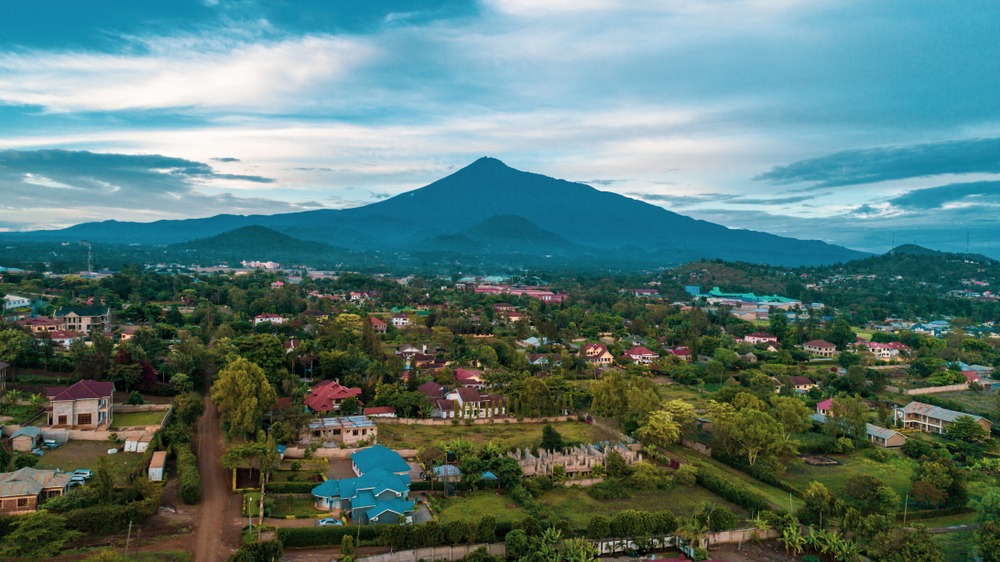
The crater sits roughly half an hour by car from Mount Meru and 20 km as the crow flies from Kilimanjaro. Arusha National Park has several entrance gates, primarily Ngongongare and Momela. Regardless of which gate you choose, access to the crater is by vehicle—trail conditions and distances rule out approaching on foot. Two options:
- Organized 4x4 excursion with guide from Arusha
- Personal vehicle, subject to additional access fees
Ngurdoto Museum, located on the road to the crater, makes a useful stop early in your visit.
Nearby attractions
Arusha National Park allows you to combine multiple stops over a single day or short stay:
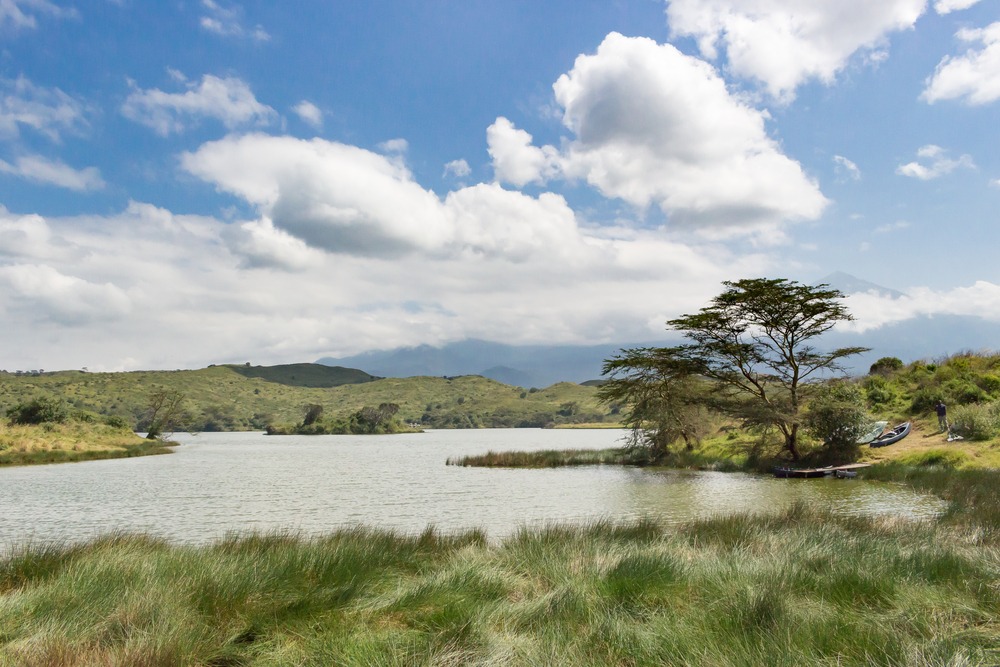
- Arusha National Park: entire park encompassing Momela Lakes and Mount Meru
- Olmoti Crater: another Tanzanian caldera, in the Ngorongoro Conservation Area
- Boma Natural History Museum in Arusha, cultural complement before or after your visit
- Barranco Hut Camp for hikers continuing toward Kilimanjaro
Frequently asked questions
No. The crater floor is off-limits to visitors for conservation reasons. Observation is conducted from the six viewpoints arranged along the rim.
June to October for wildlife safari (dry season), and December to February for birdwatching and lush vegetation.
Yes, on clear days. Mount Kilimanjaro lies roughly 20 km as the crow flies and remains visible from several viewpoints.
Yes. The road from Ngongongare or Momela entrance gates crosses tropical forest and requires a suitable vehicle.
Plan your visit
Ngurdoto Crater naturally integrates into a circuit across northern Tanzania combining Arusha, Kilimanjaro and major parks. To build your itinerary, explore our Tanzania journeys.
Photo credit @Roman Boed
Interested in this visit?
We can include it in your personalised itinerary.