Uluguru
Uluguru
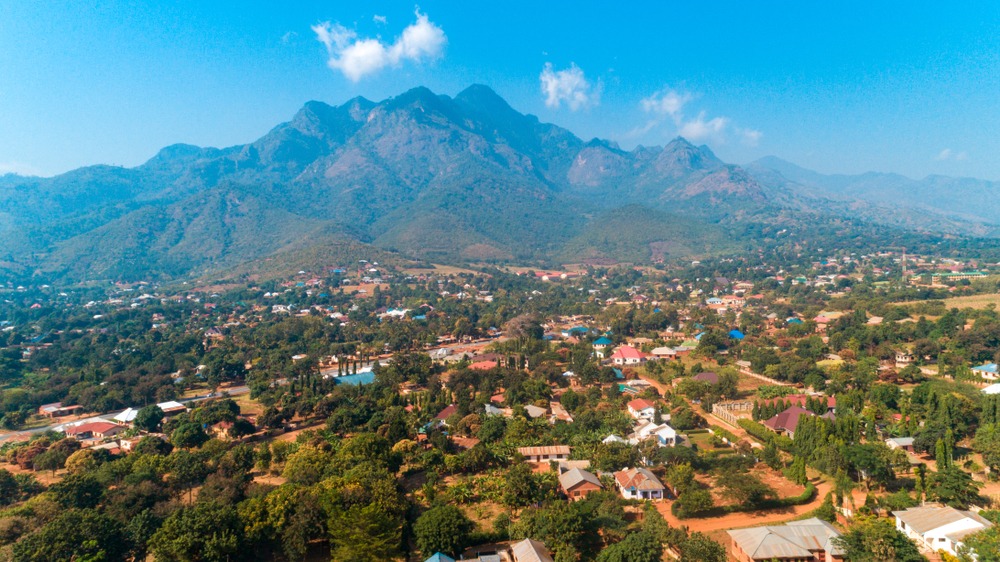
South of Morogoro, the Uluguru mountains peak at over 2,600 m and harbor rare endemic fauna and flora, spread across 51 Waluguru villages.
South of Morogoro, roughly 180 km from Dar es Salaam, the Uluguru chain rises between 600 m and over 2,600 m in altitude. This massif is part of the Eastern Arc Mountains, a range renowned for its ancient forests and concentration of endemic species. Its name derives from the Waluguru tribe, which inhabits the 51 villages scattered across its slopes.
Why visit the Uluguru mountains
Three main reasons drive a visit to the Uluguru. First, hiking, with 26 peaks and varied elevation gain that accommodates both day trips and multi-day treks. Next, ecological richness: 136 vertebrate species have been recorded here, several found nowhere else on Earth. Finally, cultural encounters with the Waluguru, a mountain farming people whose traditions—notably mat weaving by women—remain vibrant in their perched villages.
The Uluguru also play a major hydrological role: the Ruvu River, which originates in the massif, supplies water to both Morogoro and Dar es Salaam.
A massif at the heart of the Eastern Arc
The Uluguru mountains belong to the Eastern Arc, a chain of isolated mountain blocks in East Africa separated for millions of years, which explains their exceptional endemism rate. This biological isolation has fostered the emergence of species unique to the world, which justified the establishment of dedicated conservation programs in the early 2000s, including the Eastern Arc Mountains Conservation Endowment Fund created in 2007.
On the ground, recent history is also visible at Morningside, a former German refuge built in 1911, perched above 1,000 m altitude. The building, accessible in a few hours' walk from Morogoro, today serves as a waypoint or bivouac for hikers.
What to see and do
Lukwangule peak
The massif's highest point, Lukwangule exceeds 2,600 m. The most common ascent departs from Tchenzema village on the western slope. The trail is challenging and demands good physical condition. At the summit, expansive alpine meadows and endemic plants compose a landscape markedly different from the rest of the massif.
Lupanga, Bondwa and Kinole
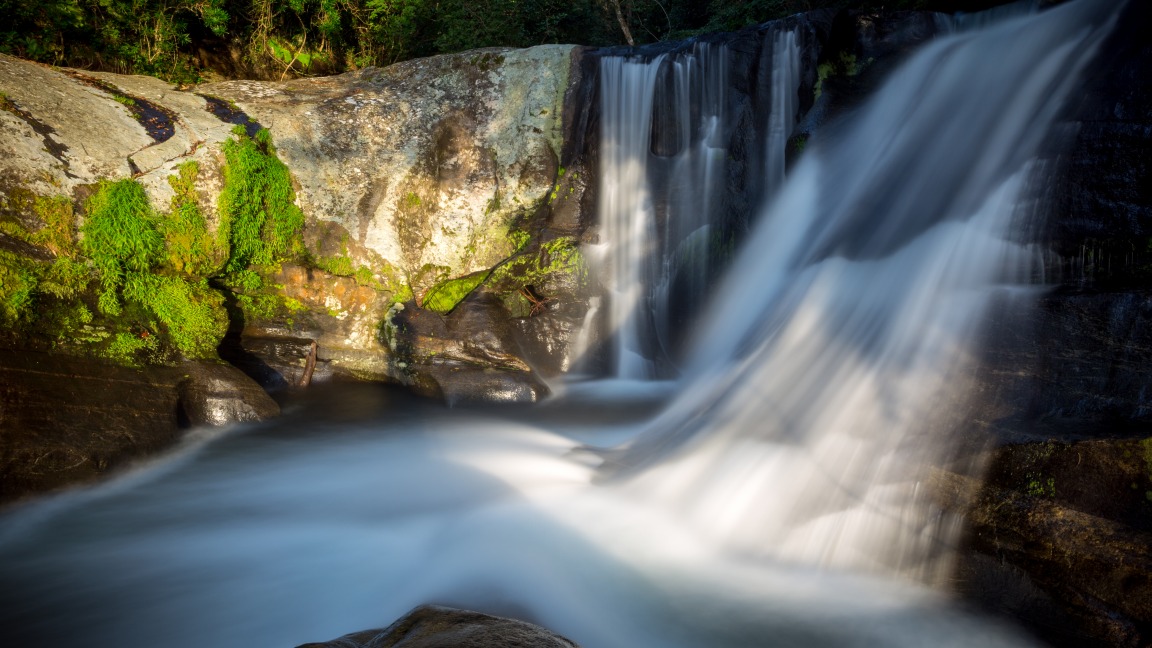
Three other peaks lend themselves well to more accessible excursions: Lupanga (2,146 m), Bondwa (2,170 m) and Kinole. The latter offers the advantage of a waterfall at the foot of the trail, ideal for a refreshing stop. Outings can be done as day trips or over several days depending on the chosen itinerary. A local guide is highly recommended: signage is limited and vegetation is dense.
Endemic fauna and flora
The Uluguru rank among the world's hotspots for endemism. Among species you may hope to observe or hear:
- Endemic birds: Uluguru bushshrike (Malaconotus alius), Loveridge's sunbird (Nectarinia loveridgei), Apalis chariessa, Ploceus nicolli.
- Rare mammals: Crocidura telfordi shrew, Stuhlmann's golden mole (Chrysochloris stuhlmanni), Zanzibar galago (Paragalago zanzibaricus), Abbott's duiker, Peter's elephant shrew (Rhynchocyon petersi).
- Amphibians: Nectophrynoides cryptus, Uluguru caecilian (Scolecomorphus uluguruensis).
- Reptiles: one-, two- and three-horned Uluguru chameleons.
- Plants: African violets (Saintpaulia), including Saintpaulia goetzeana, as well as rare orchids.
Hululu waterfalls
Hululu falls are located roughly 50 km southeast of Morogoro, near Vinile village in Bunduki district. The approach walk allows observation of chameleons and endemic plants along the trail.
Tegetero trail
From Morogoro, the Tegetero trail represents roughly 8 hours of walking to reach the forest. It's a fine route for observing blue monkeys and black-and-white colobus, as well as for traversing several forest vegetation zones.
Choma village
Eight km from Morogoro, clinging to slopes above 1,000 m altitude, Choma is one of the most visited Waluguru villages. You can meet residents, learn mat weaving from village women, and a nearby waterfall provides refreshment after the approach walk.
Practical information
Hiking in the Uluguru requires preparation. A few useful points:
- Hire a local guide, essential for longer routes and for traversing villages in good conditions.
- Bring hiking shoes, rain gear even in dry season, water and snacks.
- Permits and entry fees are settled locally; budget modest amounts.
- Mobile network is intermittent at altitude.
When to go
The best period for hiking in the Uluguru spans June to October, during the dry season: trails are passable, visibility is clear and temperatures cool at altitude. Avoid April and May, in the thick of the rainy season, when tracks become slippery and some access roads impassable. November through March are possible but marked by scattered showers.
How to get there
The nearest international airport is Dar es Salaam, roughly 180 km away. From there, buses and rental vehicles reach Morogoro in a few hours. The town is the logical starting point for all excursions into the massif.
Eight main roads provide access to the different sectors of the Uluguru:
- Morogoro — Morningside
- Bunduki — Nyachiro
- Bunduki — Vinile
- Kola — Bigwa
- Kinole — Tegetero
- Matombo — Tawa — Nyungwa
- Mvuha — Bwakila Juu — Lusange
- Kibaoni — Nyandira — Tchenzema
Itinerary choice depends on the target peak and length of stay.
Nearby
To extend your Tanzania journey, several stops are worth a detour:
- Morogoro, the gateway town to the massif and logistical hub for the southern circuit.
- Ngorongoro Conservation Area, in the north, for its crater and wildlife.
- Arusha National Park, more modest but accessible and varied.
- Stella Point on Kilimanjaro, for seasoned hikers seeking high altitude.
Frequently asked questions
Frequently asked questions
Yes, it's highly recommended. Trails cross forested zones, villages and farmland, and signage is sparse. A local guide facilitates orientation, encounters with residents and wildlife observation.
Bondwa peak (2,170 m) and Morningside, the former German refuge above 1,000 m, are the most common objectives for a day's walk from Morogoro.
Ascending Lukwangule (over 2,600 m) from Tchenzema typically takes two to three days, depending on pace and conditions. The trail is steep and demanding.
June to October, during the dry season. April and May, in the height of the rainy season, should be avoided due to slippery trails and reduced visibility.
Yes, several villages like Choma, 8 km from Morogoro, welcome visitors. You can observe mat weaving by women and interact with residents, ideally via a guide who facilitates communication.
Plan your trip
The Uluguru mountains integrate easily into a southern Tanzanie circuit, complementing northern national parks or Zanzibar beaches. To build a custom itinerary combining hiking, wildlife and cultural encounters, consult our suggestions for travel in Tanzania.
Interested in this visit?
We can include it in your personalised itinerary.