Barafu Hut Camp
Barafu Hut Camp
Barafu Hut Camp, perched at 4,673 m on Kilimanjaro, is the last stopping point before the final ascent to Uhuru Peak.
Also called Barafu Camp or Barafu Hut, the Barafu Hut Campsite is the final stopping point before the summit push to Uhuru Peak, the crown of Kilimanjaro. An austere camp, swept by relentless winds, perched on a ridge at 4,673 meters altitude, it serves as a strategic waypoint for trekkers on the Lemosho and Machame routes. This is where the crucial rest happens before the midnight departure.
Why stop here
Barafu Hut Camp is not a destination in itself: it is a high-altitude technical camp, the final link before the summit. It offers three decisive advantages to trekkers.
- Strategic position: situated on the southeastern flank of Kilimanjaro, at the foot of the Kibo volcanic cone, it places walkers approximately 5 km from Uhuru Peak.
- Convergence point: it welcomes trekkers from the Lemosho and Machame routes, two of the mountain's most frequented paths.
- Final acclimatization: arrival in mid-afternoon allows several hours of rest before the nocturnal departure, a key stage for climbing success.
Camp atmosphere
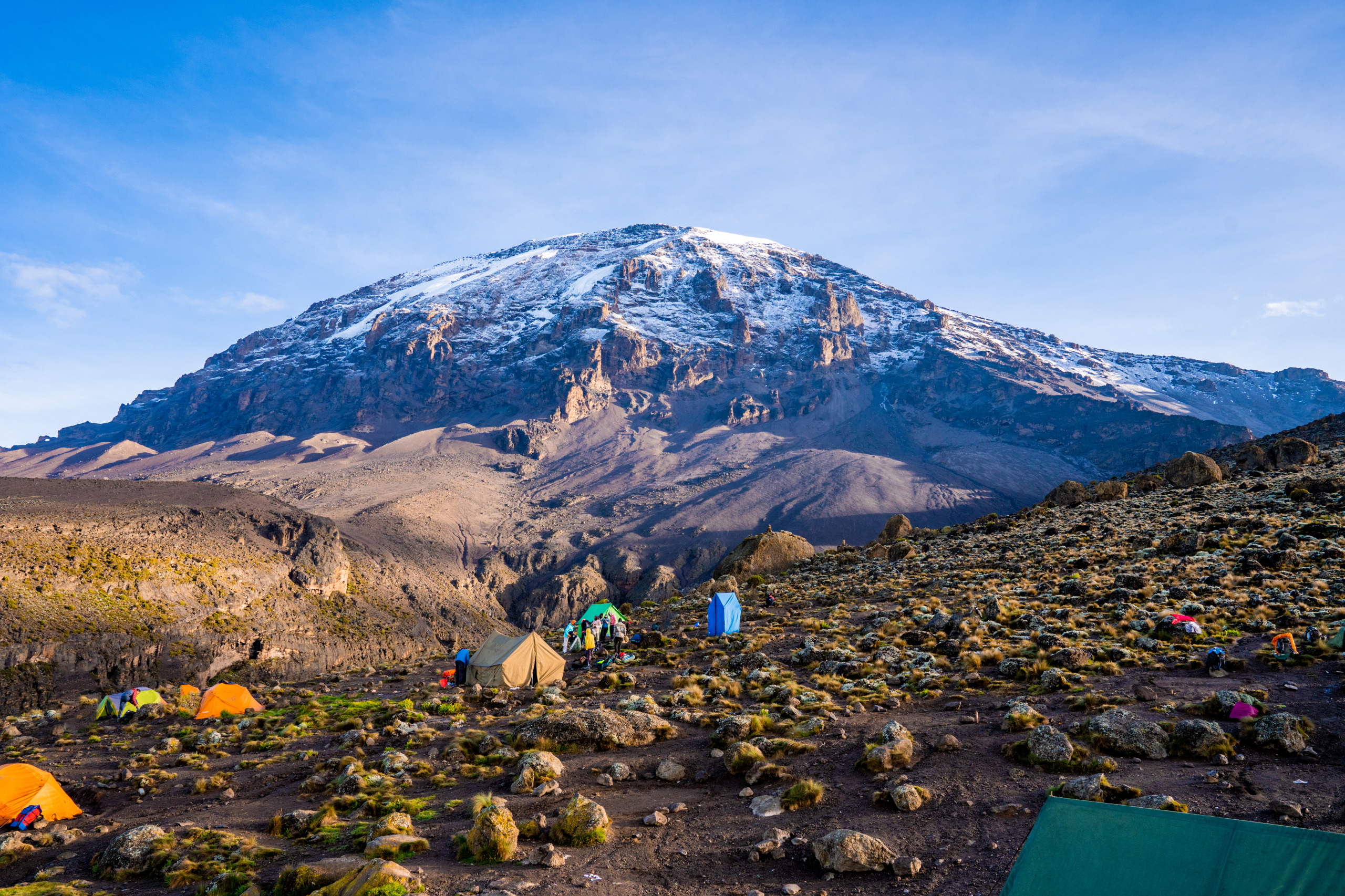
The word Barafu means "ice" in Swahili, and the landscape confirms it. You're in an afro-alpine desert zone, mineral-rich, where vegetation almost completely disappears. The ground is composed of volcanic dust and scree, unstable, on steep slopes. Tents are pitched between rocks, sometimes tightly packed together during peak season.
The atmosphere is quiet, focused. Trekkers speak little, sleep poorly, eat out of necessity. Temperatures oscillate between 4°C during the day and -15 to -20°C at night depending on the season. The wind never lets up. It's a camp of mental and physical transition: you prepare here for the midnight departure, pack ready, headlamp charged, water in your down jacket so it doesn't freeze.
Facilities and services
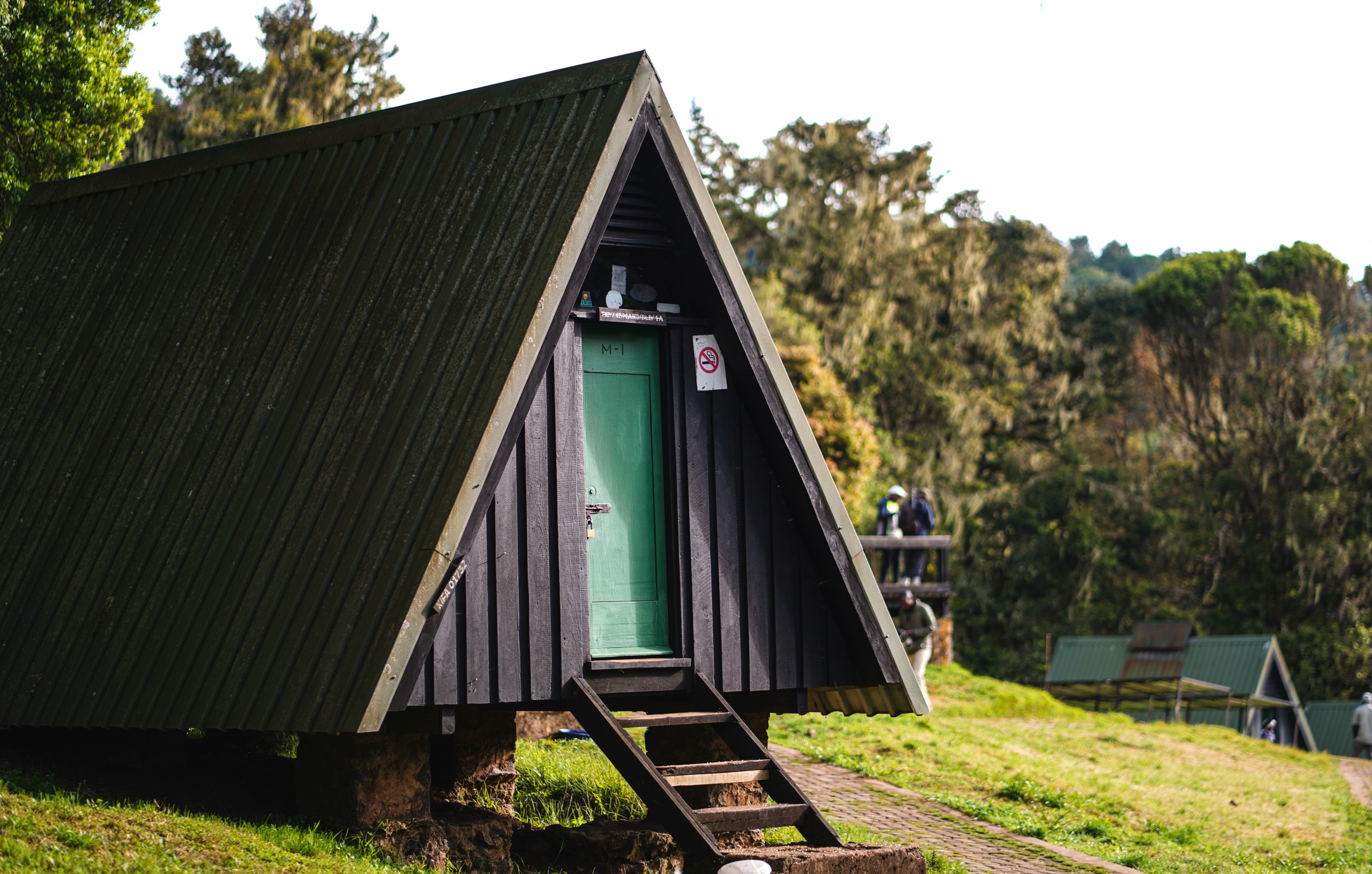
Comfort is rudimentary and you should know this before departing. The camp has no permanent infrastructure except a ranger station and a few dry toilets, sometimes installed at the edge of the ridge. No "hut" despite the name: you sleep under a tent, pitched by the porters.
No water source exists on site. All water used for cooking and consumption is entirely transported on the backs of porters from lower camps. Wildlife and vegetation are almost entirely absent at this altitude.
Essential gear:
- Sleeping bag rated for -10/-15°C minimum, preferably down-filled (or synthetic for occasional use)
- Multiple warm technical layers, down jacket, gloves, beanie, balaclava
- Robust hiking boots already broken in
- Headlamp with spare batteries for the nocturnal departure
Location and access routes
The camp sits at 4,673 meters on a ridge of Kilimanjaro's southeastern flank. Two routes lead here.
The Lemosho route is appreciated for its gradual acclimatization and high success rate. It passes through Cathedral Point, at 3,872 meters, typically around the 2nd or 3rd day of hiking.
The Machame route traverses a variety of landscapes, from tropical forest to arid zone, passing through the Shira Plateau and the Barranco Wall, an impressive rocky outcrop that is safe to traverse with a guide.
When to go
Climbing Kilimanjaro is planned for the dry seasons: late December through early March, and June through October. These windows offer better weather stability and reduce the risk of fresh snow on the final stretch. Peak season concentrates trekkers at camp, which can complicate tent placement on the sloped terrain.
The final ascent to Uhuru Peak
The distance between Barafu and Uhuru Peak is approximately 5 km, but it's the most demanding portion of the trek. After arrival around midday and a meal, trekkers attempt to sleep a few hours. Departure is at midnight, headlamps on.
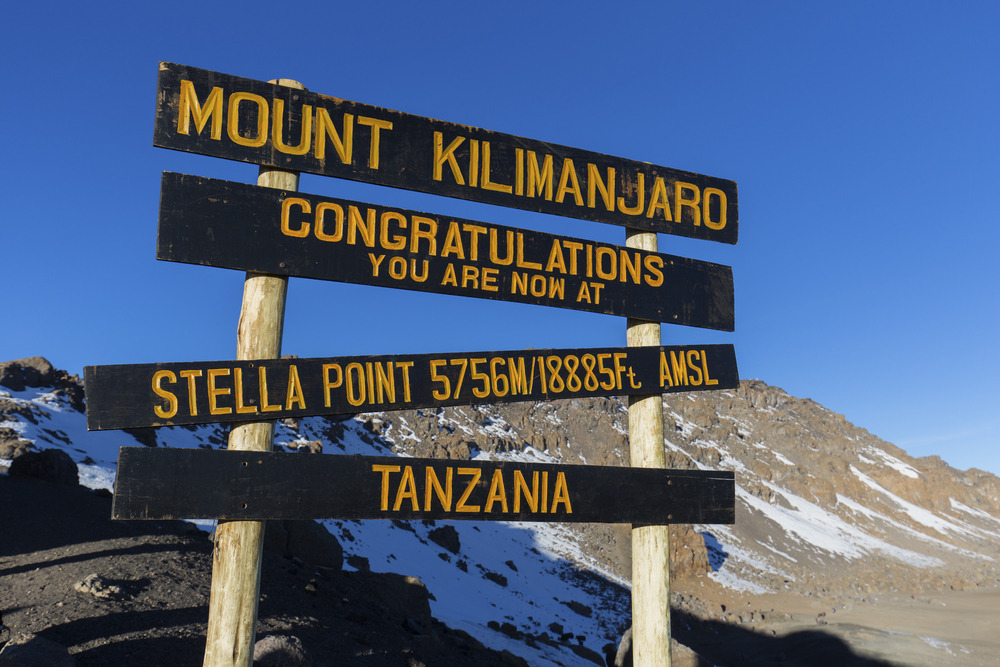
The elevation gain reaches 1,200 meters, covered in 6 to 7 hours of walking over volcanic cinders and scree. Stella Point marks the passage onto the crater rim. Sometime later, at dawn, walkers reach Uhuru Peak at 5,895 meters, typically at sunrise.
Nearby camps and related stages
Several camps orbit around Kibo's summit and complement or alternate with Barafu depending on your chosen route: School Huts, Arrow Glacier Camp, and Kibo Huts. To prepare for or extend a Kilimanjaro trek, some travelers combine the climb with a recovery stay at a lodge in Arusha or the surrounding area.
- Babylon Lodge — comfortable stop on the Marangu side
- Bashay Rift Lodge — recovery near Ngorongoro
Frequently asked questions
On the Lemosho and Machame routes, Barafu Hut Camp is the final camp before the summit push to Uhuru Peak.
The camp is located at 4,673 meters, on the southeastern flank of Kilimanjaro, at the foot of the Kibo volcanic cone.
No. No water source exists at the camp: water is transported by porters. The only infrastructure consists of a ranger station and dry toilets. Trekkers sleep under tents.
To organize a full Kilimanjaro trek with adapted stages and experienced porters, consult our Tanzania journeys.
Fancy staying here?
We can book this accommodation for you.