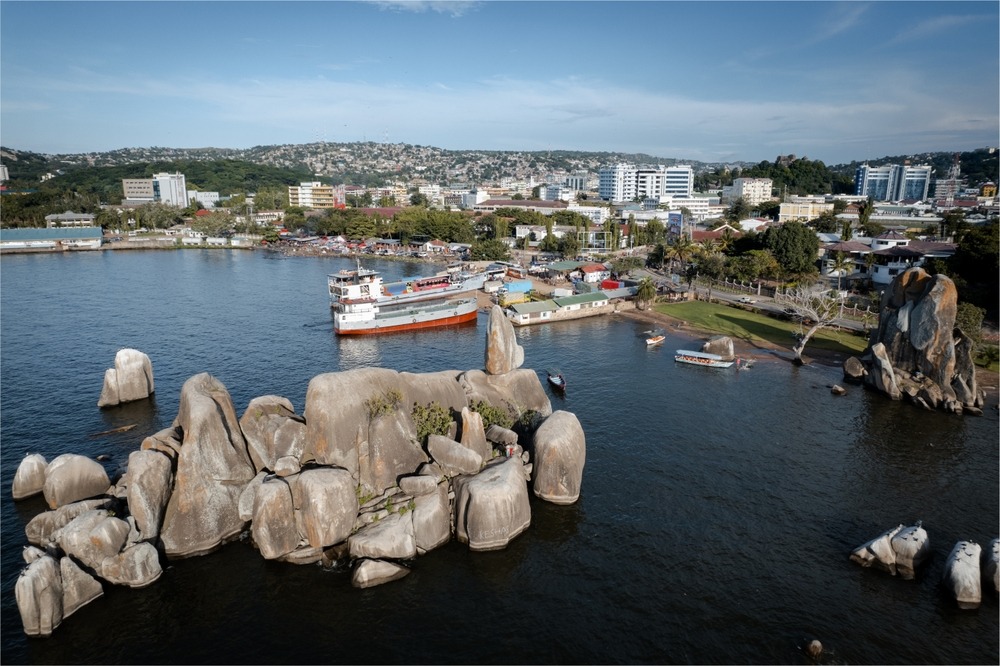
Mtowambu
Mtowambu
Nestled at the gateway to Lake Manyara, Mto wa Mbu brings together 120 Tanzanian tribes around a vibrant market and irrigated banana plantations. The cultural waypoint of northern safaris.
Travel to the heart of rural Tanzanie. Before embarking on your safari into the wild lands of the North, pause in the town of Mtowambu to discover the country's culture and experience daily life alongside local farmers. Surrounded by rice paddies and banana groves, a genuine sense of escape awaits you! Be sure not to miss the central market to pick up a few souvenirs.
History
The town's name derives from the Mtowambu River, meaning "mosquito river," which runs through it. In 1995, a landslide caused the riverbed to overflow, flooding the locality. Additionally, the abundance of marshy terrain and easy irrigation led to the creation of rice paddies and other plantations. Mtowambu, which began as a small village of around 40 inhabitants, now ranks among the North's most important agricultural towns. It is also a popular tourist stopover for visiting the northern national parks.
Discovering Mtowambu
Mtowambu enjoys a privileged location in the Rift Valley, in northern Tanzanie. Located in the Arusha region, the town sits on the route to numerous popular attractions such as Lake Manyara, the Ngorongoro Crater, Serengeti National Park, and beyond. Whether you're departing from Arusha city, Kilimanjaro International Airport, or the Kenyan capital of Nairobi, you will inevitably pass through Mtowambu. For most tourists, it's simply a stopover for a meal or supplies. Yet spend a bit more time here, and you'll find you won't leave empty-handed or empty-minded!
Hop on a bike and set off on an adventure
There's nothing quite like a bicycle ride to soak in the rural landscapes of Mtowambu. The town isn't large, and around four hours is enough to cover the main points of interest.
Start in the town center. Stroll along the main avenue lined with shops and market stalls of every kind. Watch the dance of tuk-tuks, dala-dalas (local buses), and motorcycles—typical of Tanzanian rural towns. As you venture away from the main thoroughfare, the scenery becomes greener and more peaceful. Wind your way through rice paddies, banana plantations, and other irrigated fields. With few tourists around, the atmosphere lends itself perfectly to escape and rejuvenation.
Explore Mtowambu's central market
The small town of Mtowambu is home to around 12,000 inhabitants, hailing from 120 different tribes. To immerse yourself in the blend of languages and customs, there's no better place than the bazaar. Here, everyone has their own way of doing business. Fruit stalls dominate the Mtowambu central market, but you'll also find numerous craft shops and food vendors. Both traders and artisans are remarkably welcoming. Feel free to approach them to haggle in good spirits or simply to observe their work methods. The artisans of Mtowambu are particularly renowned for their wood carvings.
Don't miss the craft beer stands either. Grab a glass of "Mbege," the banana beer created by the Chagga ethnic group of Tanzanie. You'll find this beverage in practically every bar in Mtowambu. When mealtime comes around, try the local traditional specialties. For many, ugali is the essential dish, though you're free to sample other recipes such as makande or pilau. Use your visit to the Mtowambu central market to pick up some Tanzanie souvenirs.
Practical Information
You can travel by car from Arusha city to Mtowambu. Rest assured, the road (112 km) is paved. Tourist circuits to Serengeti National Park and the Ngorongoro Crater pass through the locality. Mtowambu thus features on the route by default, whether you're starting from Nairobi, Moshi, or Babati.
When to visit?
Mtowambu has a steppe climate. The town receives little rainfall (579 mm annually), a deficit partly offset by the water sources in the region. Temperature-wise, it averages 23 °C year-round.
The period from June to October, corresponding to the dry season, offers numerous advantages for visiting the region. The weather is pleasant and there are fewer mosquitoes. Nearby, in Serengeti National Park, it's easier to locate animals around water sources.
The rainy season begins in November and extends through May. During this time of year, nature renews itself, instilling a sense of freshness. There are almost no tourists between April and May (low season), so prices may drop.
Accommodation in Mtowambu
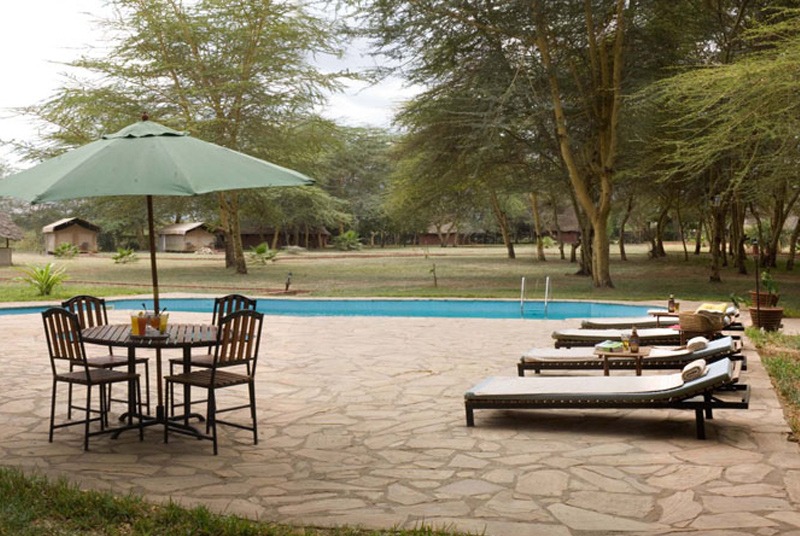
Want to discover this destination?
Our local advisors design your tailor-made trip.