Shira Hut
Shira Hut
The first camp on the Lemosho Route, Shira Hut sprawls across 3,500 m on the ancient volcanic plateau of Mount Kilimanjaro.
Shira Hut — also known as Shira 1 — is a high-altitude camp located on the Shira Plateau at approximately 3,500 meters, on the western flank of Mount Kilimanjaro. It marks the first significant stage of the Lemosho Route and one of the first nights at altitude for climbers approaching Africa's roof from the west. The plateau offers unobstructed views of the Shira caldera and, on clear days, of the Kibo summit.
Quick Facts at a Glance
Altitude: approximately 3,500 m
Access: on foot only, via the Lemosho Route (departing from Londorossi Gate)
Accommodation: camping tents; operators provide equipment
Permit required: entry to Kilimanjaro National Park (KINAPA) — reserved through an authorized agency
Recommended time on site: one night (acclimatization stage)
Clothing: high-altitude trekking gear essential (thermal layers, waterproof jacket, hat)
What You'll See
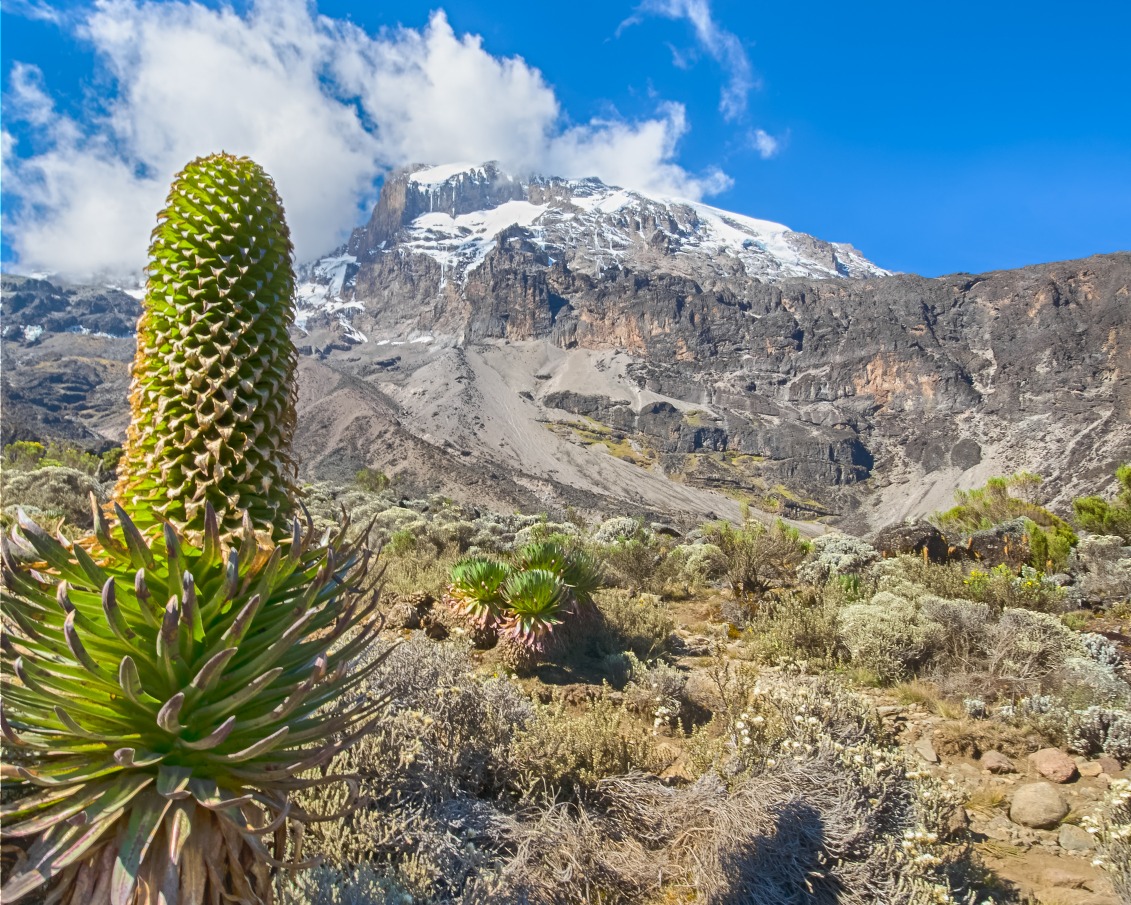
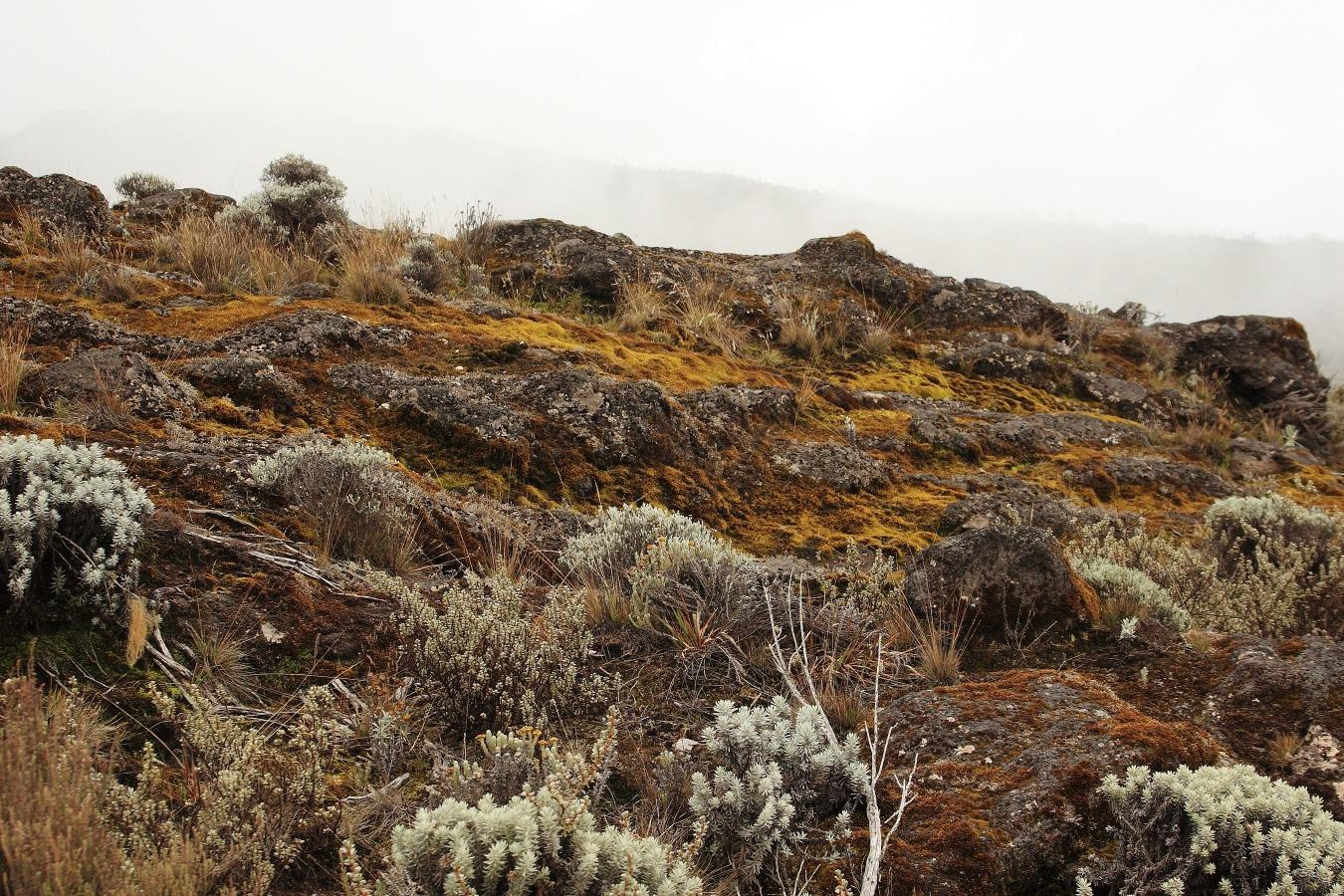
The Shira Plateau is a former volcanic caldera now covered in alpine moorland. Vegetation ranges from giant heather to clusters of tree groundsels (Senecio kilimanjari). On clear days, the snow-capped silhouette of Kibo rises to the east. At night, the absence of light pollution offers an exceptional starry sky.
History and Context
The Shira Plateau is the remnant of an ancient collapsed volcano, one of three cones comprising the Kilimanjaro massif alongside Mawenzi and Kibo. The Lemosho Route, designed to reduce congestion on shorter trails, traverses this plateau before meeting the Machame Route at Shira 2. Shira Hut marks the transition between mountain forest and alpine moorland.
Highlights of Your Stay
Sunrise Over the Plateau
At dawn, the low-angled light bathes the golden grasses of the plateau and reveals Kibo's silhouette. This is one of the mountain's most accessible panoramas before reaching more demanding elevations.
Active Acclimatization
Guides recommend a brief high-altitude hike after camp setup, followed by a descent to sleep lower. This technique — "climb high, sleep low" — reduces the risk of acute mountain sickness on this first night.
Plateau Wildlife
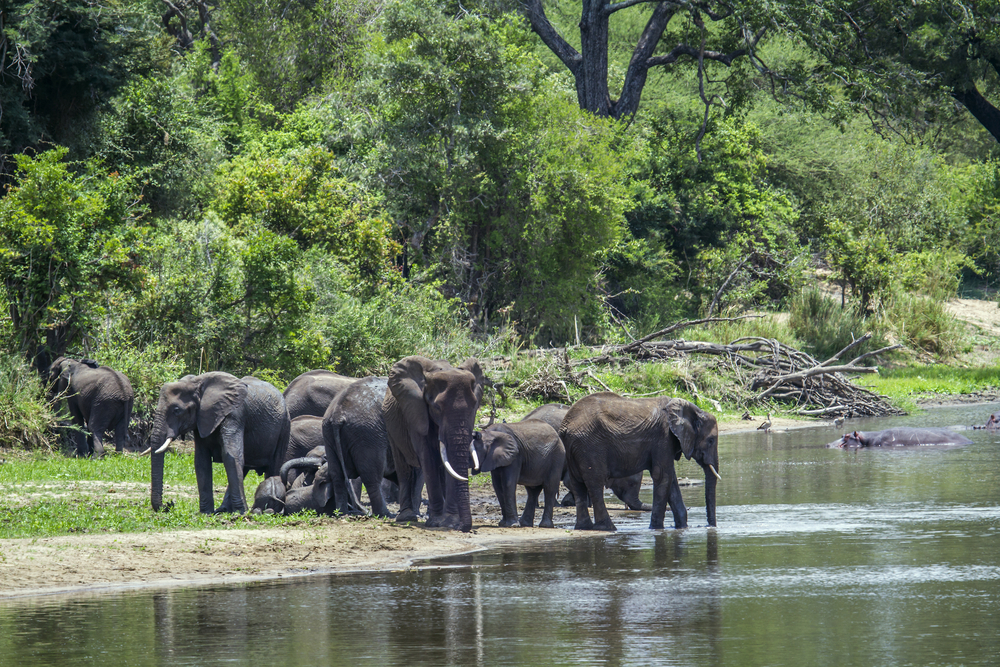
Cape elands, buffalo, and occasionally leopards roam the Shira Plateau. Mountain birds, including the Kilimanjaro raven, are regularly spotted around camp.
Photography Tips
Early morning offers the best visibility of Kibo before clouds rise. Face east at sunrise. The giant groundsels make striking photographic subjects characteristic of this zone; look for compositions placing them in the foreground with the summit in the background.
Location and Access
Shira Hut lies within the Kilimanjaro National Park, in the Kilimanjaro region of northern Tanzania. Access is exclusively on foot from Londorossi Gate, after a day's trek through forest. No vehicles can reach the camp. Any Kilimanjaro ascent must be organized with a KINAPA-authorized agency; climbing without an official guide is prohibited.
Nearby Attractions
Shira 2 Camp — the next stage on the plateau, a few hours' walk to the east, at approximately 3,900 m.
Londorossi Gate — the official entry point for the Lemosho Route, where registration formalities take place.
Lava Tower — an iconic volcanic formation at approximately 4,600 m, a key acclimatization milestone on the Lemosho/Machame Route.
Moshi — the typical departure town for Kilimanjaro expeditions, offering accommodations and trekking agencies.
Frequently asked questions
Shira Hut (Shira 1) is the first stage of the Lemosho Route, one of the longest and most highly rated routes for acclimatization. Some Shira itineraries also pass through this camp.
The camp sits at approximately 3,500 m. At this altitude, mild symptoms (headaches, fatigue) are possible. Good hydration and gradual ascent minimize risks. Consult a physician before departure if you have a history of heart or respiratory issues.
Nighttime temperatures often drop below freezing. Pack a sleeping bag rated for sub-zero temperatures, thermal underwear, a hat, and gloves. Your operator can advise on specific specifications based on the season.
No. Kilimanjaro National Park regulations mandate an authorized KINAPA guide for any ascent. There is no legal way to access the camp independently.
The two dry seasons — January-March and June-October — offer the best weather conditions. Avoid the heavy rains of April-May and the short rains of November, which make trails slippery and reduce visibility.
Yes, photography is permitted within Kilimanjaro National Park for personal use. No special restrictions apply at Shira Hut camp.
Want to discover this destination?
Our local advisors design your tailor-made trip.