Momella Lakes
Momella Lakes
In the northeast of Arusha National Park, seven alkaline lakes with turquoise waters are home to pink flamingos, hippopotamuses and over 600 bird species.
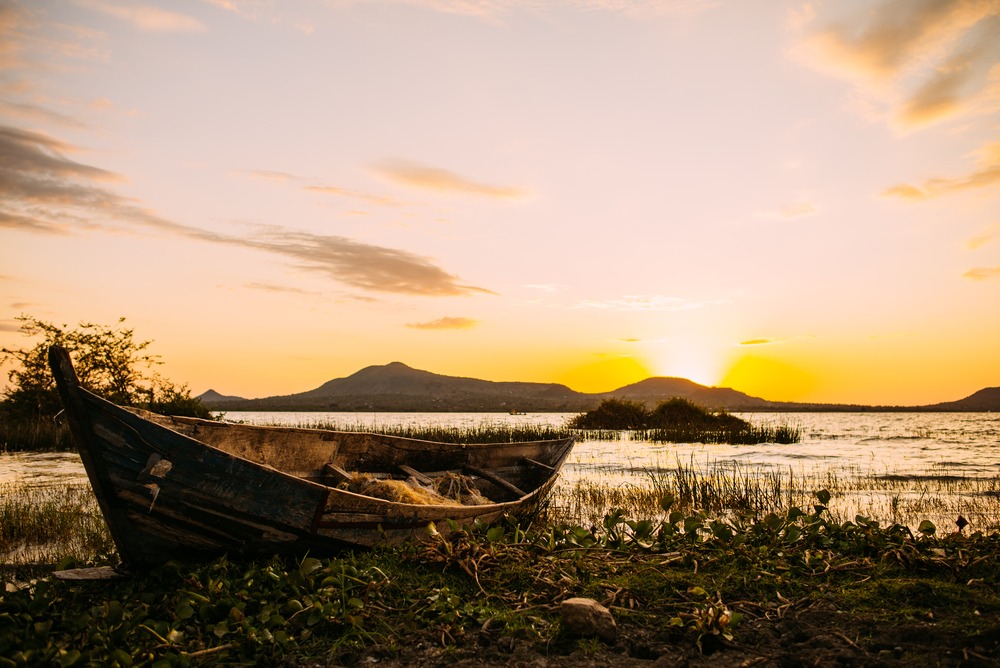
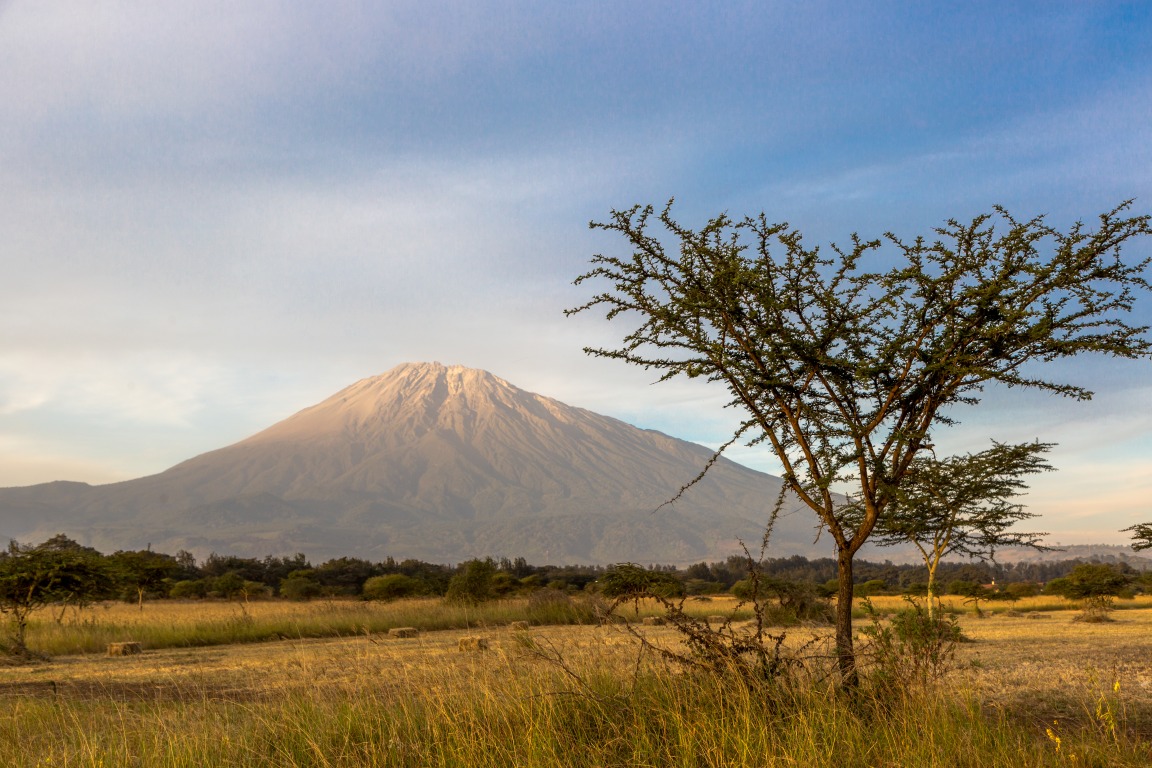
The Momella Lakes form a chain of seven alkaline water bodies located in the northeast of the Arusha National Park, in northern Tanzanie. Renowned for their turquoise waters, their colonies of pink flamingos and the views they offer of Mount Meru and Kilimanjaro, they rank among the most photographed sites in the Arusha region.
Why visit Momella Lakes
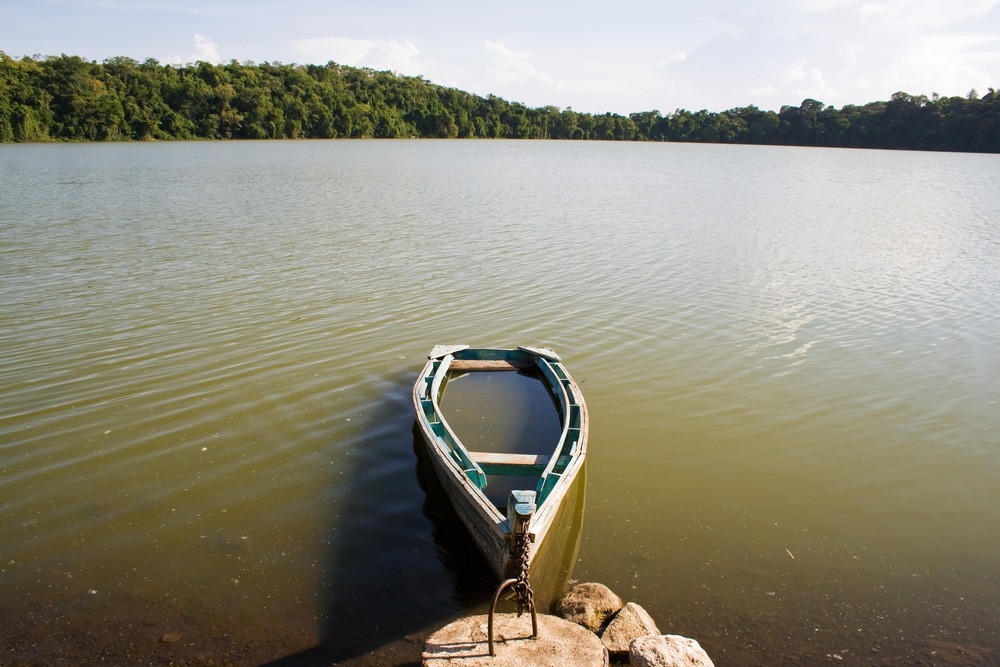
Three elements set this site apart from other Tanzanian lakes. First, the water takes on a green, sometimes turquoise color due to the abundance of algae and dissolved minerals. Second, each lake is fed by a different underground source, which explains the perceptible color variations from one body of water to another. Finally, the shorelines concentrate diverse wildlife: pink flamingos, pelicans, giraffes, zebras and antelopes coexist within a small perimeter.
The absence of large predators around the lakes allows a rare activity in Tanzanie: walking safari and canoeing, two observation methods that radically change your relationship with wildlife compared to the classic 4x4.
Geological history of the lakes
The origin of Momella Lakes is directly linked to the volcanic activity of Mount Meru. Approximately 6,000 years ago, Meru erupted, causing the collapse of the eastern wall of the caldera. A stream of water then gushed from the rocks and poured into the steppe, creating the Momella lakes.
Nearly two millennia later, the crater collapsed again and blocked the course of the river that fed the entire system, with the exception of Small Momella lake. This double episode explains today the hydrological isolation of each body of water and the difference in salinity observed from one lake to another.
What to see and do on site
The seven lakes
The system comprises Big Momella, Small Momella, El Kekhotoito, Kusare, Rishateni, Lekandiro and Tulusia. All are shallow and alkaline. Each has its own hue and ecological dynamic according to the source that feeds it.
Bird watching
Arusha National Park is home to over 600 bird species and Momella Lakes concentrate a significant portion of them. You will notably observe:
- pink flamingos, in colonies on muddy shores;
- pelicans and fish eagles;
- guinea fowl, Egyptian geese and African jacanas;
- many migratory species, particularly between November and April.
On the banks, you will encounter giraffes, zebras, dik-diks and waterbucks. These mammals benefit from the coolness of the site but do not drink the water from the lakes due to their alkalinity; they drink at fresh water points located further within the park.
Canoeing on Big Momella
The canoeing excursion is one of the park's flagship activities. The boat moves in proximity to flamingo colonies and allows you to approach the hippopotamuses that frequent certain areas. On clear days, Mount Meru rises on one side and Kilimanjaro appears on the other. Allow 1 to 2 hours of activity depending on the operator.
The western viewpoint
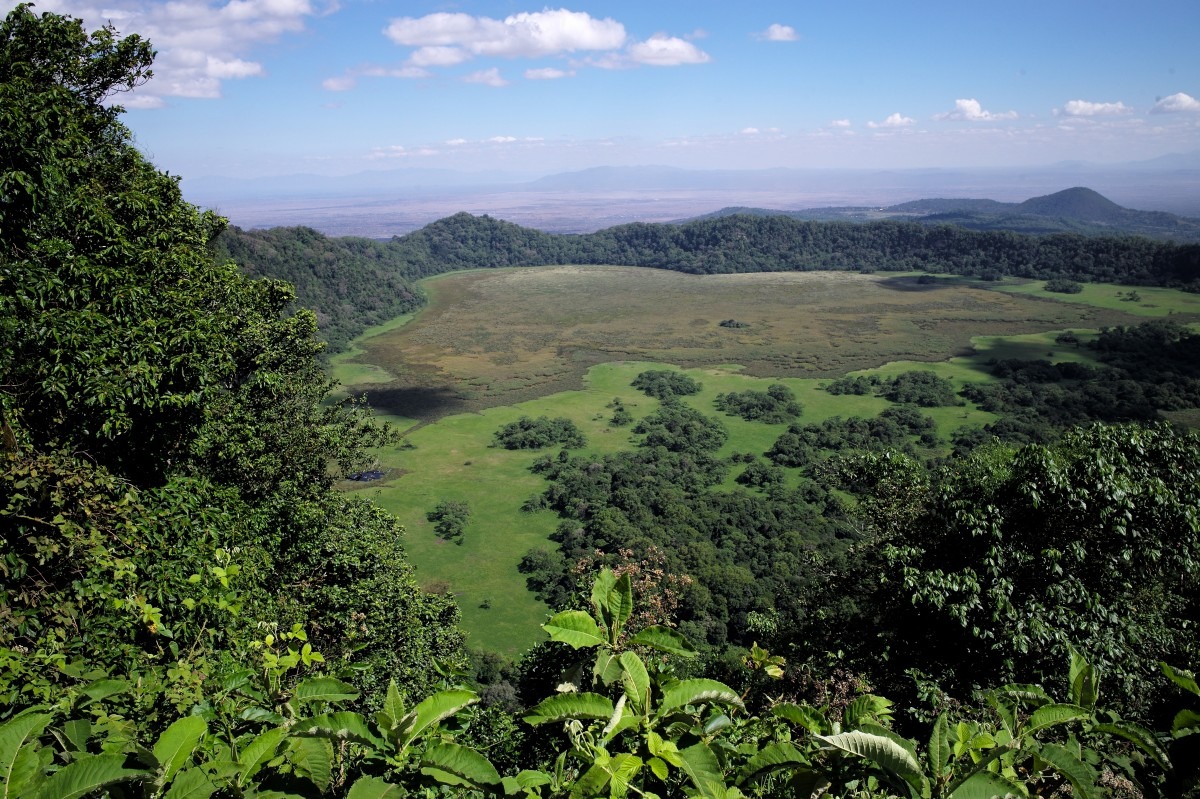
West of the lakes, at the top of a hill, a picnic site equipped with concrete benches offers one of the most comprehensive panoramas in the park: the seven bodies of water below, Mount Meru and Ngurudoto crater are visible from this point.
Practical information
Access to the lakes is through a visit to Arusha National Park. Park entrance fees are mandatory and priced differently depending on age and nationality; young children enter free, adult rates remain in the upper-middle range of Tanzanian parks. These fees are generally included in your agency's services. Canoeing carries an additional charge.
The visit can be done in half a day from Arusha or be part of a longer circuit including Mount Meru or Ngurudoto crater.
When to visit
The lakes are accessible year-round. Volcanic soils dry quickly after showers and certain trails are reinforced with gravel. The rainy season, from March to June, nevertheless complicates movement within the park and limits visibility of Meru and Kilimanjaro. The dry season, from June to October, remains the most comfortable window for combining observation, canoeing and walking. For birdwatchers, the period from November to April coincides with the presence of migrants.
How to get there
The logical starting point is the town of Arusha, approximately 1 hour's drive from the nearest gate. Two entrances serve the park:
- Momella Gate: approximately 20 minutes' drive to the lakes. This is the most direct access.
- Ngongongare Gate: approximately 1.5 hours' drive, but it allows you to traverse several zones of the park before reaching Momella.
A 4x4 is still recommended, especially during the wet season.
Nearby
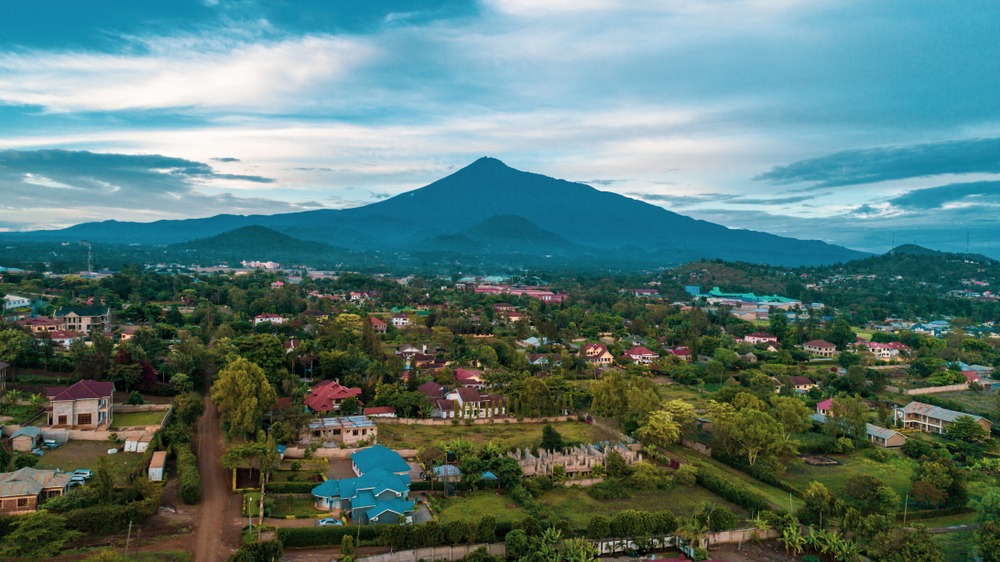
- Arusha National Park: the ensemble that encompasses the lakes, Ngurudoto crater and Mount Meru.
- Mount Meru: 4,566 m, demanding climb in 3 to 4 days.
- Arusha: logistical base of northern Tanzanie.
- Boma Natural History Museum: to contextualize the geology of the region.
Frequently asked questions
Frequently asked questions
The color results from a high concentration of algae and dissolved minerals. Since each lake is fed by a different underground source, the hues vary from one body of water to another.
No. The activity is mainly organized on Big Momella, which is the largest and most accessible.
Half a day is enough to tour the lakes, observe wildlife and enjoy the western viewpoint. Allow a full day if you add canoeing and Ngurudoto crater.
The absence of large predators around the lakes makes the ranger-guided walk relatively safe. However, the distance from hippopotamuses and buffalo must be strictly observed.
Yes, on clear days, particularly early in the morning during the dry season. Mount Meru is visible almost permanently.
Plan your trip
Momella Lakes naturally fit into a circuit in northern Tanzanie, between Arusha, Tarangire, Ngorongoro and Serengeti. To build a coherent itinerary, consult our trips to Tanzanie.
Interested in this visit?
We can include it in your personalised itinerary.