Pangani
Pangani
A small coastal town in northeastern Tanzania, Pangani combines preserved beaches, Saadani Park and Swahili heritage — a coastline far from the crowds.
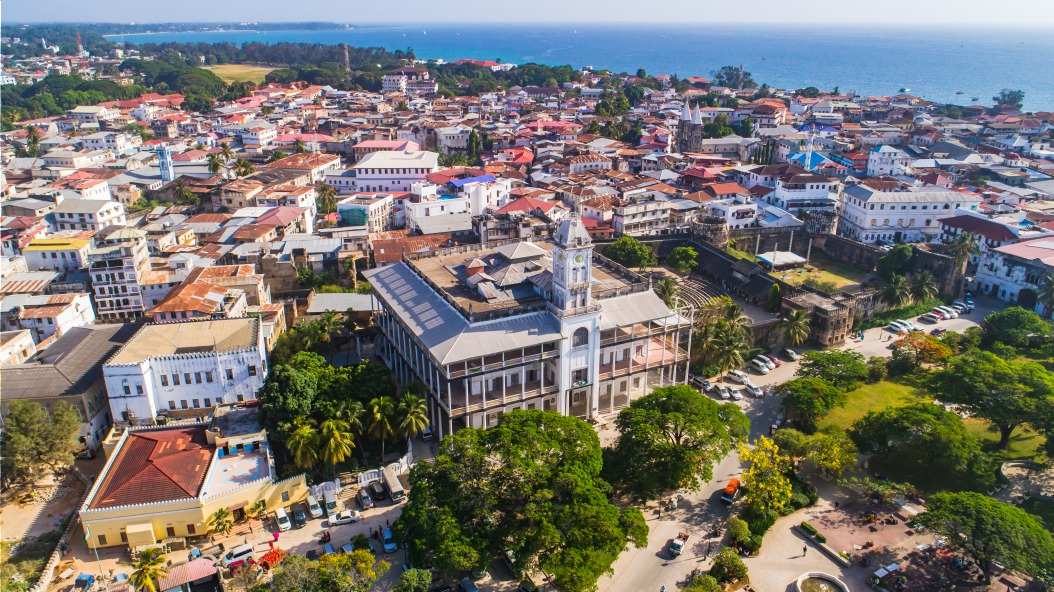
Pangani is a small coastal town in northeastern Tanzania, located at the mouth of the river of the same name, on the shores of the Indian Ocean. A former slave and ivory export port in the 19th century, the town today preserves a fascinating Arab and colonial architecture. Its rich historical heritage, tranquil beaches and well-preserved authenticity make it a perfect tourist destination for those seeking to discover Tanzania away from the beaten path. Pangani lies 45 kilometres south of Tanga and approximately 350 kilometres north of Dar es Salaam.
An Overlooked Gem of Tanzania
Unlike Tanzania's leading beach destinations, such as Zanzibar island, Pangani remains largely shielded from mass tourism. This coastal pearl offers privileged access to Saadani National Park, the country's only reserve combining savanna and ocean. Here you'll observe elephants and giraffes mere steps from white-sand beaches.
The town of Pangani itself will seduce you with its rich architectural heritage, though much of it lies in disrepair. It reveals old buildings in Arab, German and British styles, witnesses to the different powers that dominated it.
The surrounding coral reefs constitute remarkable snorkelling spots, particularly accessible at low tide. Between June and November, the dry season transforms Pangani into a true tropical refuge. Far from the masses, this town offers you a unique immersion in Tanzania.
History
Pangani's history reaches back to the Paleolithic, when hunter-gatherer communities settled in the bay and shaped quartz tools.
In the 19th century, under the nominal rule of the Zanzibar Sultanate, the city becomes an important terminus of caravan routes linking the coast to the interior. Omani planters develop a plantation economy based on forced labour, cultivating coconuts, sugar cane and sisal. Slaves captured following the fall of the Shambaa kingdom in the Usambara Mountains transited through Pangani before being sent to Pemba and Zanzibar.
Between 1888 and 1890, the Abushiri Revolt temporarily drives Europeans from the region. Subsequently, German and then British colonisation end this slave economy and transform the town, leaving architectural traces still visible today in its streets.
Pangani Today
Today, Pangani is a peaceful town of some 8,000 inhabitants. The local economy rests on traditional fishing. Far from tourist circuits, this hidden gem attracts mainly Tanzanian tourists. It remains little known to international travellers.
What to Do in Pangani?
Explore the historical sites
Begin your discovery of Pangani with a stroll through the historic centre. Standing here is the Boma, one of the town's most emblematic historical buildings, constructed in 1810 under the rule of the Zanzibar Sultanate. Wandering through the town, you'll also come across remnants of former slave markets, old mosques and traditional houses with carved doors.
During your walk, take time to meet the local artisans: wood carvers, weavers, basket makers and painters. Their workshops, often open to the street, testify to ancestral craftsmanship and the daily life of inhabitants.
Discover local agricultural activities
On the outskirts of town, the landscape changes. Following the Kikokwe road, you'll pass former coconut plantations and sisal fields, the fibre that once enriched the region. The site of the German fort at Kikokwe, perched overlooking the Pemba Channel, merits a stop: it was here that German botanist Richard Hindroph planted Africa's first sisal seeds in 1892.
Continue then towards the coastal areas of Mkomo and Mwanaunguja, where coral formations and fossils millions of years old come to the surface. If curious, don't hesitate to chat with farmers or taste fish dishes prepared in local homes.
Explore the Pangani River
The Pangani River runs through town before flowing into the Indian Ocean. You can walk alongside it from the port or board a dhow for a short river excursion. Heading upstream, you'll watch mangroves and coconut plantations pass by while observing fishermen at work. The peaceful setting lends itself well to relaxation and photography.
Engage in water sports
If you love the sea, head to Ushongo Beach, some ten kilometres south of Pangani. It's the ideal place for swimming, snorkelling, kayaking or kitesurfing. Coral reefs near the shore harbour surprisingly rich marine life, with colourful fish and occasionally sea turtles.
Deep-sea fishing
Fishing enthusiasts can embark with local fishermen for a deep-sea outing. The experience unfolds over a day, with the possibility of catching tuna, barracuda or swordfish, depending on the season.
Discover Maziwi Island
From Ushongo Beach, boats offer excursions to Maziwi Island, a sandbank that appears only at low tide. Landing on this small marine reserve, you can snorkel, swim or simply relax on white sand. The place is peaceful, often deserted, perfect for a few hours of disconnection.
Other activities
For variety, hire a bicycle and explore the Pangani surroundings at your own pace. You might encounter dolphins off Maziwi, hippopotamuses in marshland areas, or green sea turtles on Madete's beaches.
When to Visit Pangani?
Thanks to its tropical climate, Pangani can be visited year-round. However, the best periods extend from July to October, then from December to March, when the weather is drier, sunnier and temperatures remain pleasant.
You can reach Pangani by road or sea. By bus, several daily departures link Tanga to Pangani (approximately 2 hours 30 minutes journey), as well as a direct bus from Dar es Salaam (5 to 6 hours drive). Fast maritime connections link Ushongo and Pangani to Zanzibar (Kendwa or Nungwi) in approximately two to four hours.
Want to discover this destination?
Our local advisors design your tailor-made trip.