Unguja Ukuu
Unguja Ukuu
A coastal village in southern Zanzibar, Unguja Ukuu is home to one of the island's oldest Swahili archaeological sites, active since the 7th century. A discreet place, where coral ruins, mangrove forests and the daily life of fishermen converge.
Unguja Ukuu is a coastal village located in the south of Zanzibar island (Unguja), on the edge of a mangrove estuary. It is one of the oldest inhabited sites on the island: archaeological excavations have uncovered remains dating to the first millennium of our era, testifying to early maritime trade between East Africa, the Persian Gulf, and South Asia. The quiet, low-key village today offers a striking contrast to the mass tourism of Stone Town.
What to See
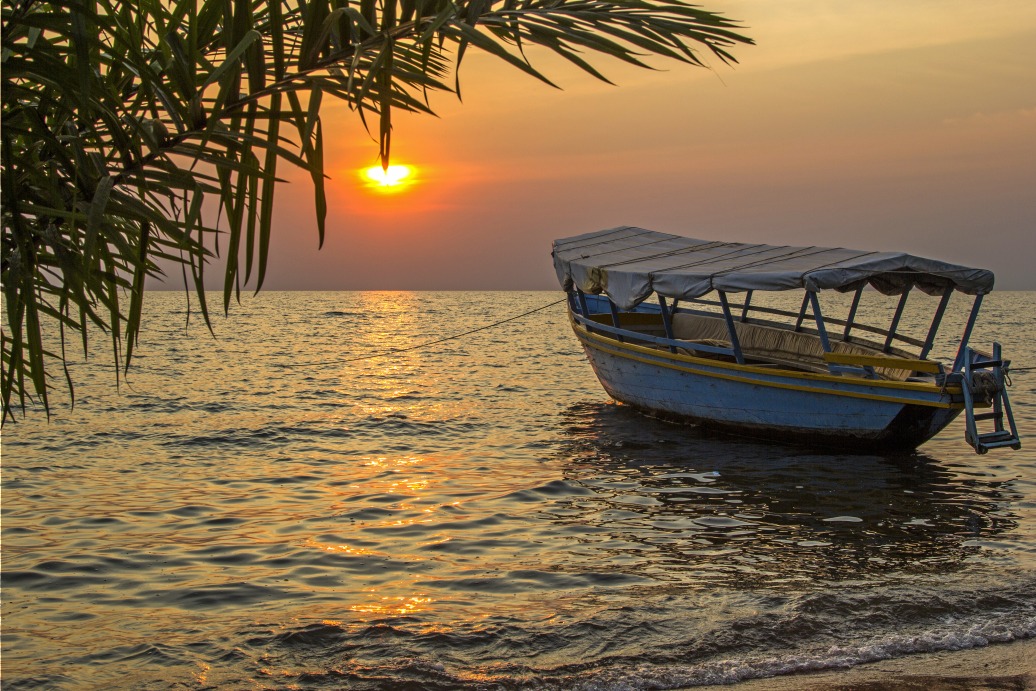
The Unguja Ukuu archaeological site contains fragments of imported ceramics — Sassanid, early Islamic, and Chinese pottery — found on the surface or during excavations. Ruins of structures made of cut coral, characteristic of ancient Swahili architecture, are visible in places. The village is surrounded by dense mangroves and overlooks a calm channel, frequented by local fishing dhows.
History and Context
Archaeological research, notably conducted by Neville Chittick in the 1960s and later by international teams, places Unguja Ukuu among the oldest known Swahili settlements, active from the 7th–8th century. The site bears witness to the early integration of the East African coast into Indian Ocean trade networks. It predates the founding of Stone Town by several centuries.
Highlights of Your Visit
The Archaeological Site
Fragments of imported ceramics still surface in certain areas. A visit with a local guide allows you to contextualize these remains and avoid treading on sensitive zones. The site is not developed for mass tourism: expect natural terrain with minimal signage.
The Mangroves and Channel
The estuary bordering the village is home to a well-preserved mangrove forest. At high tide, a short dhow excursion offers a glimpse into the coastal ecosystem and associated birdlife. Local fishermen are often available for an informal crossing.
Village Life
Unguja Ukuu remains a working fishing village, far from the usual tourist circuits. The visit offers an authentic glimpse into contemporary Swahili daily life, directly connected to a maritime environment stretching back a thousand years.
Photography Tips
Morning light is favorable for photographing the channel and dhows. The mangroves offer striking reflections at high tide. Always ask residents for permission before photographing them — the village is a living space, not a stage set.
Location and Access
Unguja Ukuu is located in southern Zanzibar island, roughly an hour's drive from Stone Town depending on conditions. Access is primarily by rental car or daladalas (local minibuses) from Zanzibar Town, with possible connections through Koani or Makunduchi. Tracks can be difficult during the rainy season. There is no regular tourist transport to this village.
Nearby Attractions
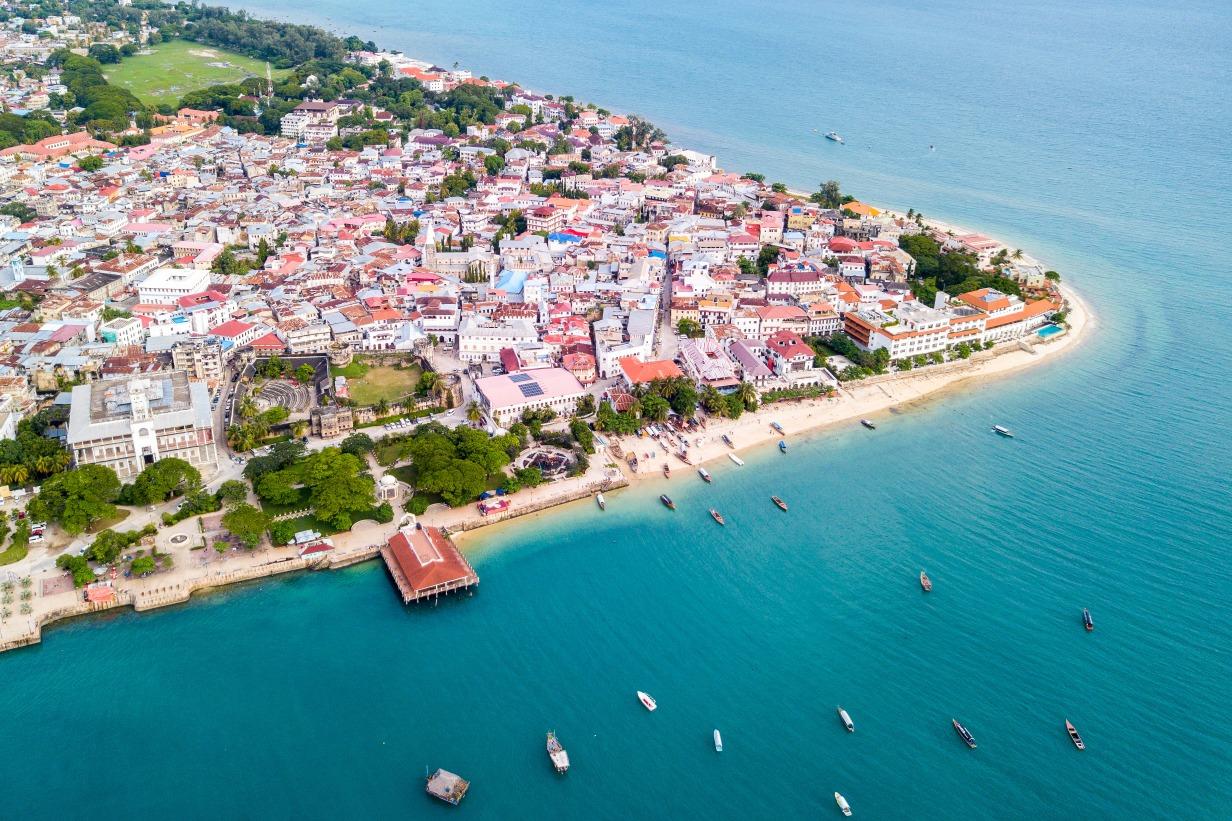
Stone Town — Zanzibar's historic center, a UNESCO World Heritage site, roughly an hour to the north.
Jozani Forest — nature reserve home to the Zanzibar red colobus, accessible en route to the island's south.
Kizimkazi — coastal village to the southwest, known for dolphin spotting and a 12th-century mosque.
Frequently asked questions
No. The site is not fenced or equipped with interpretive panels. It is an inhabited village with surface-visible remains. A local guide is highly recommended to orient your visit.
The dry season (June–October) is most practicable: access tracks are in better condition and temperatures are moderate. Avoid the heavy rains of March–May, which can make roads difficult.
Unguja Ukuu is a predominantly Muslim village. Cover shoulders and knees out of respect for residents. Closed-toe shoes are useful for walking on the site.
Yes. One day allows you to combine Unguja Ukuu with Jozani Forest and Kizimkazi, all located in southern Zanzibar. Consider renting a vehicle for greater flexibility.
No formal restrictions are known for the site itself. However, photographing residents requires their prior consent.
Want to discover this destination?
Our local advisors design your tailor-made trip.