Udzungwa Mountains National Park
Udzungwa Mountains National Park
A forested massif in south-central Tanzania, the Udzungwa Mountains harbor primates found nowhere else and one of East Africa's richest tropical rainforests.
The Udzungwa Mountains form one of East Africa's most biodiverse forest massifs. Located in south-central Tanzania, they shelter an almost pristine humid tropical rainforest, classified among the world's biodiversity hotspots. Unlike savanna parks, there are no game-drive safaris here: exploration is on foot, along trails cutting through waterfalls, bamboo forests, and habitats of endemic primates.
Practical Information at a Glance
Main access: Mang'ula village, reachable by bus or car from Dar es Salaam (~400 km) or Mikumi.
Entrance: Paid entry (park fees plus mandatory guide for most trails).
Mandatory guide: Required on all official trails — book in advance at the park office in Mang'ula.
Recommended attire: Waterproof hiking boots, long clothing (dense vegetation, insects).
Suggested duration: 1 to 3 days depending on chosen trails.
Accessibility: Very limited — mountainous terrain and unmanicured trails.
What You'll See
The park spans over 1,900 km² of mountain forest, bamboo groves, and high-altitude grasslands. Vegetation changes dramatically with elevation, shifting from dense forest to open areas above 2,500 m. Wildlife includes several endemic species found nowhere else on Earth.
Endemic primates: The Iringa red colobus and Highland mangabey, two species discovered relatively recently and unique to this massif.
Birds: Over 400 species recorded, including several endemic to the Udzungwa Mountains.
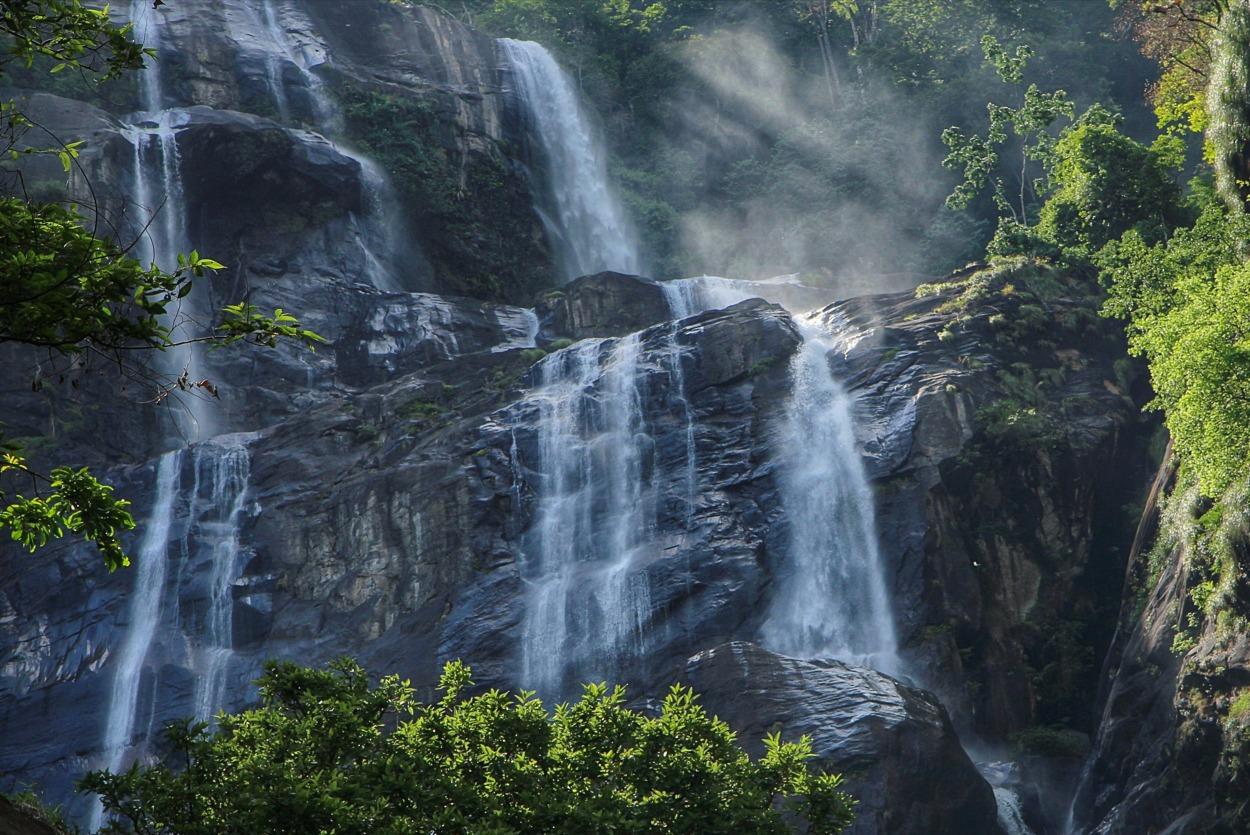
Waterfalls: Sanje Falls, one of Tanzania's most spectacular cascades, is accessible via a hiking trail.
Flora: Wild orchids, tree ferns, podocarpus forests.
History and Context
The Udzungwa Mountains are part of the Eastern Arc, a chain of Tanzanian and Kenyan mountain massifs recognized for exceptional biodiversity. The forest has remained relatively preserved thanks to its difficult terrain. The national park was established in 1992, though the area had protective status long before. Scientists continue to describe new species here regularly.
Highlights of Your Visit
Sanje Falls
The Sanje Waterfall Trail is the park's most popular route. It leads to a cascade dropping hundreds of meters through the forest. The round-trip hike takes a half-day and passes through primate-rich zones.
Observing Endemic Primates
The Iringa red colobus (Procolobus gordonorum) and Highland mangabey (Rungwecebus kipunji) exist nowhere else. Local guides know their usual haunts. Patience pays off, with frequent morning sightings.
Mwanihana Trail
This more demanding trek climbs to high-altitude zones, offering views across the Great Rift Valley and vegetation that shifts at each elevation. It requires a night camping within the park.
Photography Tips
Light in dense forest is diffuse and subdued — a bright lens (f/1.8 or f/2.8) is a real advantage. Primates move fast: prioritize a high shutter speed. Sanje Falls photograph best in the dry season, when water volume remains strong but mist is less overwhelming. No known photographic restrictions in the park.
Location and Access
The park lies in Morogoro Region, in south-central Tanzania. The main entry point is Mang'ula village, accessible by bus from Dar es Salaam or from Mikumi National Park, located nearby. There is no local airport: access is by road only. The park office in Mang'ula is where you arrange guides and permits.
Nearby Attractions
Mikumi National Park — classic savanna safari, a few hours' drive away, often combined with Udzungwa.
Ruaha National Park — large wilderness park in central Tanzania, accessible from the same region.
Frequently asked questions
The dry season (June to October) offers passable trails and less dense vegetation, making wildlife observation easier. The rainy season makes some trails slippery and difficult, but the forest is particularly lush.
Yes, the park requires an accredited guide on all official trails. Guides are hired at the park office in Mang'ula. They know primate locations and ensure safe progress through dense forest.
Yes, this is the most common combination. Mikumi offers vehicle safaris across savanna; Udzungwa provides forest hiking. Both parks are accessible from the same main road.
The Sanje Falls trail is accessible to anyone in reasonable shape without specific training. Higher-altitude treks like Mwanihana require decent fitness and experience with uneven terrain.
Camping sites are available for multi-day treks. Reserve at the park office in Mang'ula. Bring your own equipment: facilities remain basic.
Want to discover this destination?
Our local advisors design your tailor-made trip.