Seronera
Seronera
Seronera is the central sector of the Serengeti, renowned for its exceptional density of resident predators — lions, leopards, cheetahs — and its hippo pools along the river of the same name.
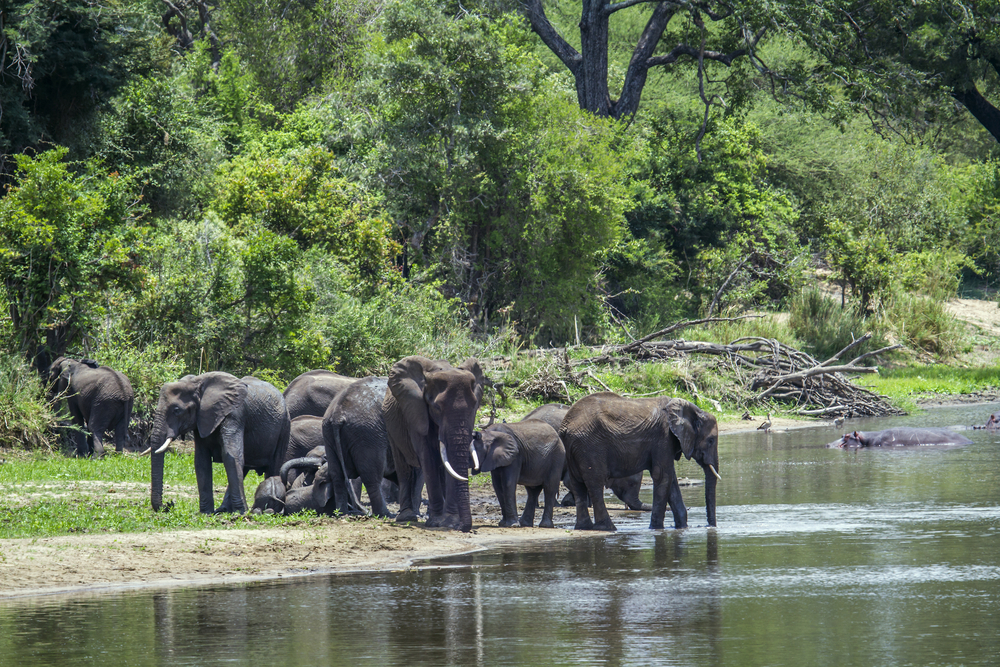
Seronera is the geographical and administrative heart of the Serengeti. Located in the central zone of the national park, this sector concentrates one of the highest densities of resident wildlife in all of East Africa. The Seronera River and its tributaries attract lions, leopards, cheetahs, elephants and hippopotamuses year-round — independent of seasonal wildebeest migrations.
Practical Info at a Glance
Entrance: included in Serengeti National Park access fees (payable at the gate or online via TANAPA)
Access: track from Naabi Hill gate (south) or charter flight from Arusha/Dar es Salaam to Seronera airstrip
Recommended duration: minimum 2 nights to cover main game drive circuits
Clothing: neutral colors (khaki, beige, olive) recommended; insect repellent essential
Accessibility: limited — dirt tracks, 4×4 vehicles mandatory
What You'll See
The Seronera River is the focal point of the zone. Its banks, shaded by acacias and fig trees, harbor leopards resting high in the branches. The lions of the central sector are among the most studied in the world, thanks to decades of research by the Serengeti Lion Project. Hippopotamuses occupy permanent pools, while Nile crocodiles patrol the wider stretches.
History and Context
The Serengeti has been a national park since 1951 and a UNESCO World Heritage Site since 1981. Seronera is its historic operational center: the Serengeti Research Institute, founded in the 1960s, conducted groundbreaking studies on the ecology of Africa's great predators. The name "Serengeti" comes from the Maasai word siringet, which means an extended plain.
Visit Highlights
Leopards of the River
Seronera is one of the rare places in the world where you can observe leopards during the day with notable regularity. The trees along the river are their favorite resting spots. An experienced guide can spot the tails hanging between the branches.
Resident Lions
Several coalitions of males and large prides occupy the sector permanently. Early-morning game drives (departing before sunrise) offer the best chances of witnessing hunts or social interactions.
Hippopotamus Pools
The hippo pools of the Seronera River are accessible by vehicle. During the dry season, animal concentrations around these water points intensify, also attracting hundreds of water birds.
The Visitor Centre
The Serengeti Visitor Centre, located near the main camp, showcases the park's ecology, migration cycles and the history of scientific research on the site. A useful stop to contextualize your visit.
Photography Tips
The golden light of the first two hours after sunrise is ideal for photographing predators still active. At midday, look for leopards in trees: filtered light through the foliage creates natural portraits. Avoid flash at all times — it is forbidden and disturbing to wildlife.
Location and Access
Seronera is located at the geographical center of the Serengeti, approximately 80 km north of Naabi Hill gate. Road access from Arusha takes a full day via Ngorongoro. The most practical option remains a charter flight to the Seronera airstrip, with regular connections from Arusha, Kilimanjaro and other park airstrips. Lodges and camps arrange 4×4 transfers.
Nearby Attractions
Moru Kopjes — rock formations to the south, cheetah refuges and Maasai rock paintings.
Ndutu Plains — wildebeest calving grounds between January and March, southwest of the Serengeti.
Northern Serengeti Zone (Lobo) — wilder sector, traversed by migration between July and October.
Ngorongoro Crater — UNESCO-listed caldera, reachable in a day's drive from Seronera.
Frequently asked questions
Seronera is worthwhile year-round thanks to its resident wildlife. The dry season (June to October) concentrates animals around water points and facilitates sightings. Between January and March, wildebeest migrate to the southern plains, but predators remain in the central sector.
The migration crosses the central sector in April-May (heading north) and in November (returning south). Outside these windows, large herds are found in other areas of the Serengeti or the Masai Mara.
Charter flight is the fastest option (approximately 1 hour). The road via Naabi Hill gate and Ngorongoro takes a full day by 4×4 and requires crossing the Ngorongoro Conservation Area, which is subject to separate access fees.
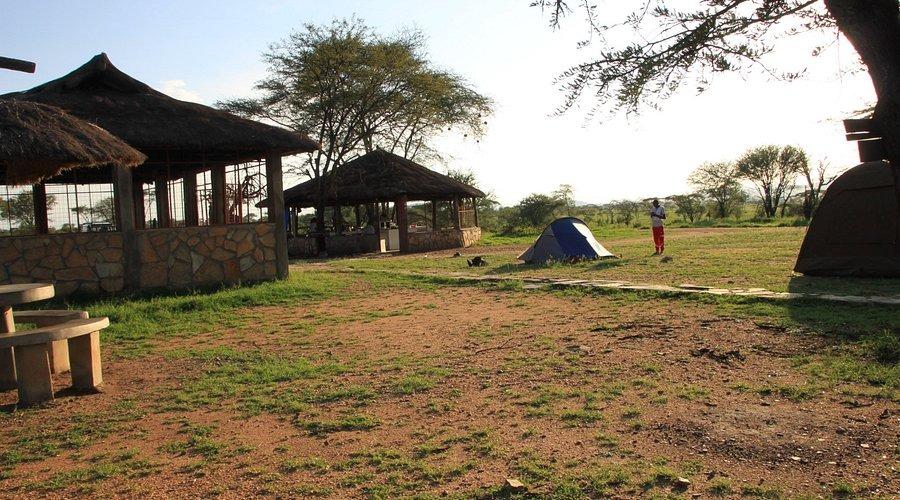
The sector offers a wide range: from public camping managed by TANAPA to permanent lodges and mid-range to luxury tented camps. Advance booking is essential, especially during peak season (July-August).
It is possible to drive around with your own 4×4 in the park, but a local guide or driver-guide is strongly recommended to locate animals and respect park rules. Most lodges include guided game drives in their packages.
Photography is permitted for personal use. Drone use is strictly prohibited without special authorization from TANAPA. Flash should not be used near animals.
Want to discover this destination?
Our local advisors design your tailor-made trip.