Ngorongoro
Ngorongoro
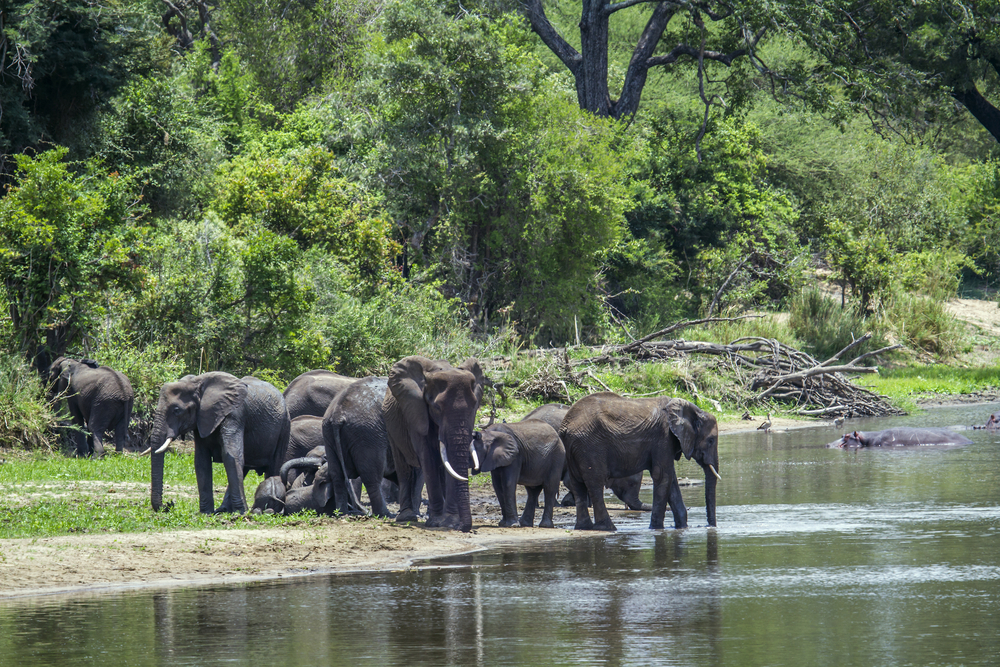
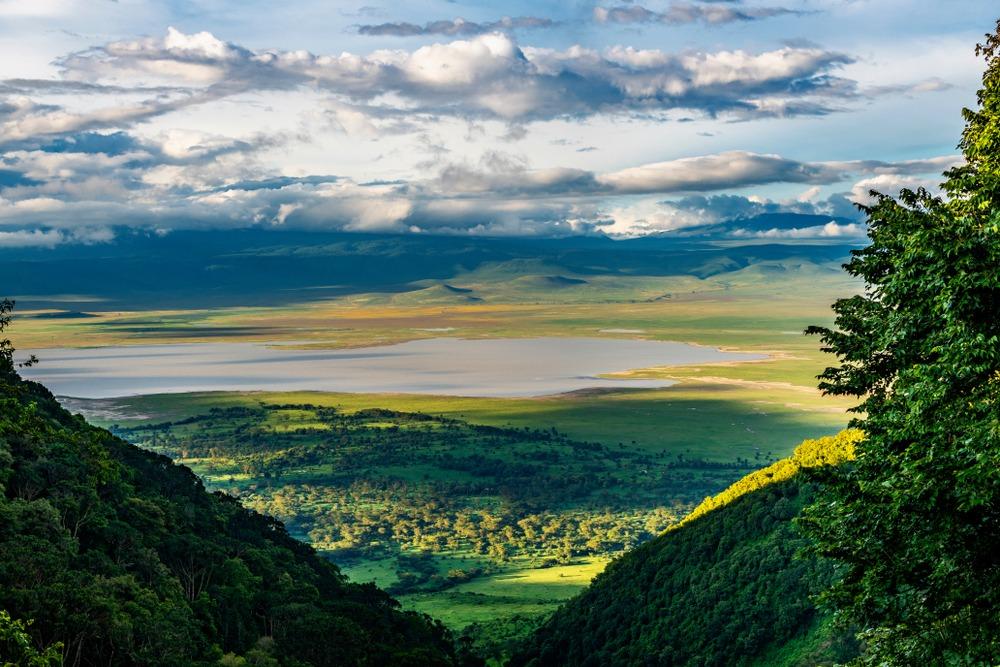
A collapsed caldera spanning 260 km², Ngorongoro crater concentrates one of Africa's highest densities of large mammals: lions, black rhinoceroses, elephants and flamingos.
Ngorongoro crater is a collapsed volcanic caldera located in the highlands of northern Tanzania, at the edge of the Serengeti. With its 260 km² of flat floor, it forms a closed ecosystem housing one of Africa's highest concentrations of large mammals. Lions, elephants, black rhinoceroses, buffalo and flamingos coexist in a natural landscape of rare coherence, inscribed on the UNESCO World Heritage list.
Quick facts at a glance
Admission: fee required — Ngorongoro Conservation Area (NCAA) conservation fees are mandatory, plus separate crater descent fees
Access: only by 4×4 vehicle with an accredited guide-driver; walking down into the crater is prohibited
Recommended duration: a full day for a safari in the crater; two days to combine the crater rim and surrounding areas
Clothing: warm clothes recommended in the morning (altitude ~2,300 m at the crater rim)
Accessibility: limited — the crater floor tracks are passable by vehicle, but rim lodges vary significantly in accessibility
What you'll see
The crater floor hosts exceptional wildlife year-round. The black rhinoceros (Diceros bicornis) is present in small numbers — one of Tanzania's few viable populations. Ngorongoro's lions form distinct, genetically isolated groups. Lake Magadi, at the centre, attracts thousands of flamingos depending on the season. Spotted hyaenas are particularly active and visible.
History and context
Ngorongoro resulted from the collapse of a giant volcano approximately two to three million years ago. The Maasai have occupied the conservation area since the 19th century, after being pushed out of the Serengeti when the national park was created in 1959. The Ngorongoro Conservation Area, established the same year, is one of Africa's rare protected spaces where pastoral herding and wildlife coexist officially. UNESCO inscribed it on the World Heritage list in 1979.
Highlights of your visit
Sunrise from the crater rim
At dawn, morning mist fills the caldera before dispersing. Lodges perched on the rim offer a sweeping view across the entire crater. This is also when lions are most active after a night's hunt.
Searching for the black rhino
Spotting a black rhinoceros in the crater remains one of the most coveted moments in any Tanzanian safari. The population is small; patience and a knowledgeable guide make all the difference.
Lake Magadi and the flamingos
This shallow alkaline lake at the crater's heart turns pink with the seasons thanks to colonies of lesser and greater flamingos. Hippopotamuses also inhabit the deeper sections.
Maasai villages (bomas)
On the rim and throughout the conservation area, Maasai communities maintain a pastoral lifestyle. Some bomas welcome guided visits, offering glimpses of traditional mud-and-thatch architecture and herding practices.
Photography tips
Light is optimal in early morning and late afternoon, when the sun is low and warm. The crater's flat floor facilitates compositions with animals set against open landscape. A telephoto lens (minimum 400 mm) is essential for wildlife portraits. Avoid midday: the light is harsh and animals rest in the shade. Drones are strictly prohibited throughout the entire conservation area.
Location and access
The crater lies within the Ngorongoro Conservation Area, approximately 180 km west of Arusha along the main road to the Serengeti. The nearest airports are Arusha (ARK) or Kilimanjaro (JRO). Charter flights also land on airstrips at Manyara or directly in the area. The road from Arusha is paved to the NCAA entrance gate, then unpaved. Allow roughly three hours' drive from Arusha.
Ngorongoro fits naturally into a circuit combining the Serengeti, Lake Manyara and Olduvai Gorge, just nearby.
Nearby attractions
Olduvai Gorge — a few kilometres from the crater's western rim, this palaeontological site has yielded hominid fossils nearly two million years old.
Serengeti National Park — adjacent to the conservation area, it hosts the annual Great Migration of wildebeest and zebras.
Lake Manyara — to the east, this rift lake is renowned for its tree-climbing lions and vast flamingo colonies.
Empakaai Crater — a neighbouring caldera, less visited, with a deep lake and guided trekking opportunities.
Frequently asked questions
The crater is accessible year-round. The dry season (June to October) offers low vegetation and easier wildlife viewing. The short rainy season (November–December) greens the landscape and attracts migrant birds. The long rainy season (March–May) can make some crater floor tracks difficult.
No. Walking down into the crater is prohibited by NCAA regulations. All visits to the floor must be made by 4×4 vehicle with an accredited guide.
A full day is the recommended minimum. Vehicles descend early in the morning and must return before the NCAA's designated final departure time in late afternoon. Two days allow you to explore different areas of the floor and increase your chances of spotting the black rhinoceros.
Yes. The two areas are contiguous, and most Tanzanian circuits combine them on an itinerary spanning five to ten days from Arusha, often including Lake Manyara and Olduvai Gorge.
No. Drones are strictly prohibited throughout the entire Ngorongoro Conservation Area, as in most Tanzanian national parks.
Yes. The crater rim reaches approximately 2,300 metres in altitude. Mornings can be cool or cold. A fleece jacket or windbreaker is essential, even during the dry season.
Want to discover this destination?
Our local advisors design your tailor-made trip.