Nainokanoka
Nainokanoka
A Maasai village sitting above 2,000 meters on the Ngorongoro Crater rim, Nainokanoka serves as a trailhead for hikes to secondary craters and mountain forests.
Nainokanoka is a Maasai village perched on the rim of the Ngorongoro Crater within the Ngorongoro Conservation Area in Tanzania. At over 2,000 meters in elevation, it represents one of the few permanent settlements within the conservation zone, where the Maasai have coexisted with wildlife for generations. It serves as a natural starting point for treks to secondary craters and the surrounding mountain forests.
What to See
The village offers a window into contemporary Maasai life within a conservation setting. Bomas — traditional family enclosures built from branches and clay — dot the landscape. Cattle herds descend each morning toward the crater's grazing grounds. The mountain vegetation, with its Hagenia forests and alpine meadows, surrounds the settlement.
History and Context
The Ngorongoro Conservation Area was established in 1959. Unlike the neighboring Serengeti National Park, it permits the presence of the Maasai, recognized as the territory's historical inhabitants. Nainokanoka is one of the administrative villages within this zone, managed jointly by the conservation authority (NCAA) and local communities. The balance between pastoral rights and conservation imperatives remains an ongoing conversation.
Highlights of a Visit
Treks to Secondary Craters
From Nainokanoka, trails lead to volcanic craters far less crowded than the main Ngorongoro caldera. These walks traverse mountain forests and reward hikers with expansive views across the highlands.
Encounters with the Maasai Community
Boma visits are arranged locally, offering glimpses of traditional craftsmanship—beaded jewelry, leather work—pastoral practices, and vernacular architecture. Prioritize visits guided by certified local guides to ensure direct benefit reaches the community.
Highland Wildlife Observation
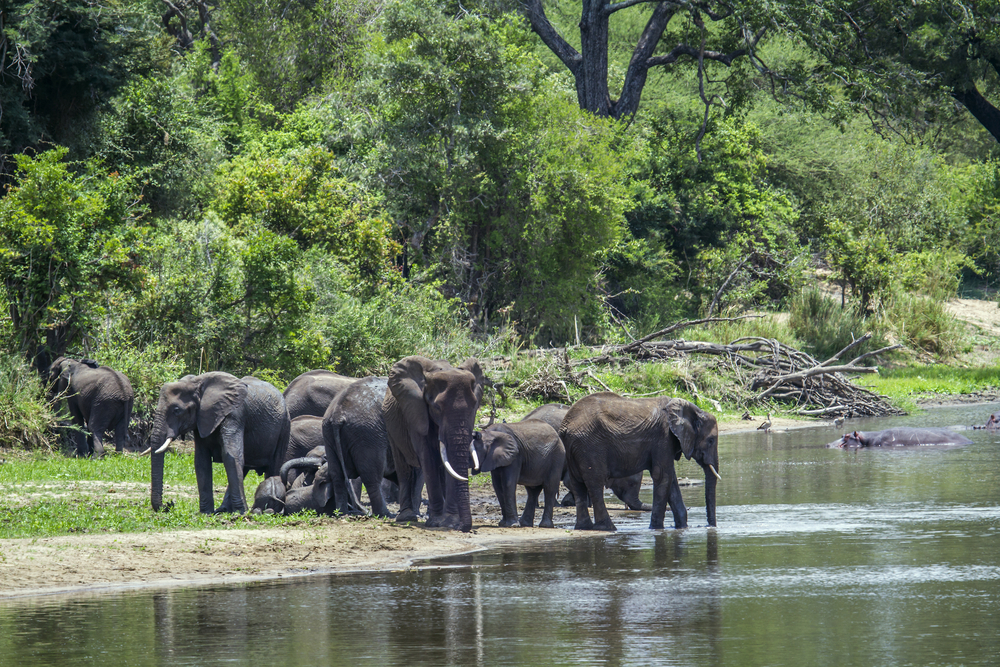
The village's surroundings host buffalo, forest elephants, and an array of highland bird species. Wildlife is less concentrated than within the crater itself, but encounters often feel more intimate.
Photography Tips
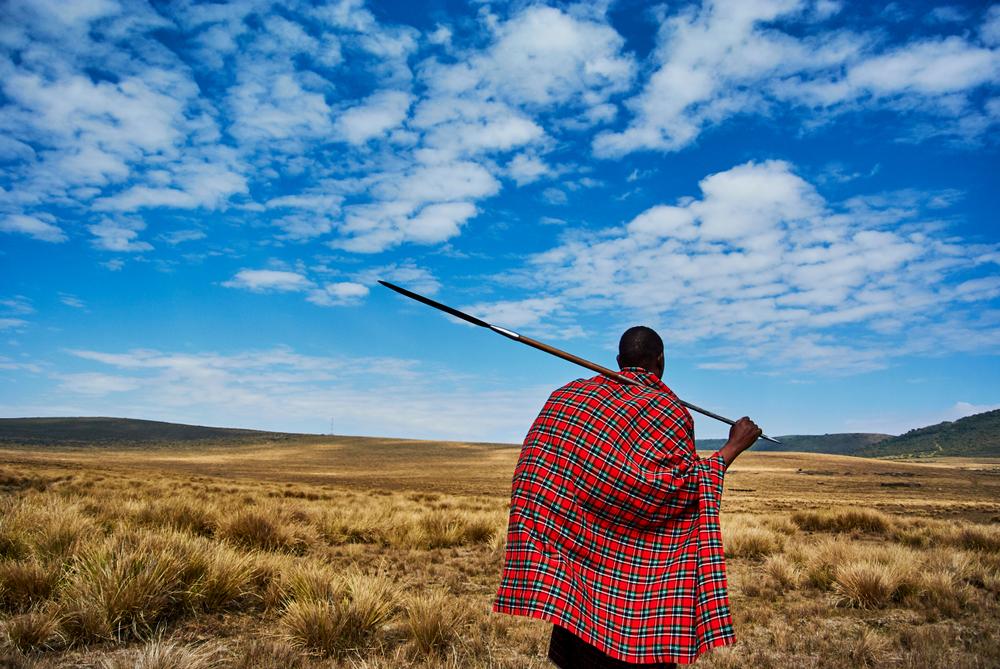
Morning light, before mountain mist rises, is ideal for capturing landscapes and bomas. Always request permission before photographing people—respect a refusal without hesitation. The warm tones of Maasai clothing create striking contrasts against the green alpine grasslands, especially during the rainy season.
Location and Access
Nainokanoka lies within the Ngorongoro Conservation Area, reached via the main road connecting the Lodoare gate to the crater zone. A 4×4 vehicle is essential, particularly during the rainy season (March–May). Entry to the conservation area requires fees paid to the NCAA. Arusha, the region's main hub, lies several hours' drive away.
Nearby Attractions
Ngorongoro Crater — East Africa's most renowned caldera, accessible via a descent from the rim.
Olduvai Gorge — a major paleontological site where hominid fossils have been unearthed.
Empakaai Crater — a crater lake with alkaline waters, accessible on foot from the Ngorongoro highlands.
Serengeti National Park — adjoining the conservation area and the stage for the great migrations.
Frequently asked questions
Entry to the Ngorongoro Conservation Area requires payment of fees to the NCAA. For Maasai community visits, an accredited local guide is strongly recommended and sometimes required depending on local arrangements.
The dry season (June–October) offers passable roads and less dense vegetation. The short rainy season (November–December) bathes the landscape in green but can make tracks challenging.
Absolutely. Most visitors descend into the crater in the morning and dedicate the afternoon to a village visit or rim walk. A single 4×4 vehicle suffices for both activities.
Dress modestly and respectfully. Sturdy hiking boots are essential on mountain tracks. Bring a warm layer: altitude makes mornings and evenings crisp.
Lodging options within the village are extremely limited. Most visitors stay at lodges and camps on the crater rim and visit Nainokanoka as an excursion.
Want to discover this destination?
Our local advisors design your tailor-made trip.