Marangu
Marangu
Marangu is a highland village on the southeastern slopes of Mount Kilimanjaro, the historic gateway of its namesake route and heart of Chagga culture, nestled among waterfalls, coffee fields and tropical forests.
Marangu is a mountain village located on the southeastern slopes of Mount Kilimanjaro, in the Kilimanjaro region of Tanzania. Historic gateway to the Marangu route — the oldest trekking path up Mount Kilimanjaro — the village combines dense tropical forests, waterfalls and vibrant Chagga culture. It is also the logistical starting point for climbers preparing to scale the roof of Africa.
Quick facts at a glance
Access: approximately 40 km from Moshi via paved road; minibuses (daladala) from Moshi available regularly.
Altitude: the village sits around 1,500 m; the air is cool even during the dry season.
What to wear: light clothing during the day, warm layers in the evening; hiking shoes recommended.
Suggested duration: a full day for the waterfalls and Chagga museum; several days if preparing for the climb.
Park entry: hikes on the slopes of Mount Kilimanjaro require a paid permit obtained through KINAPA (Kilimanjaro National Park Authority).
What to see
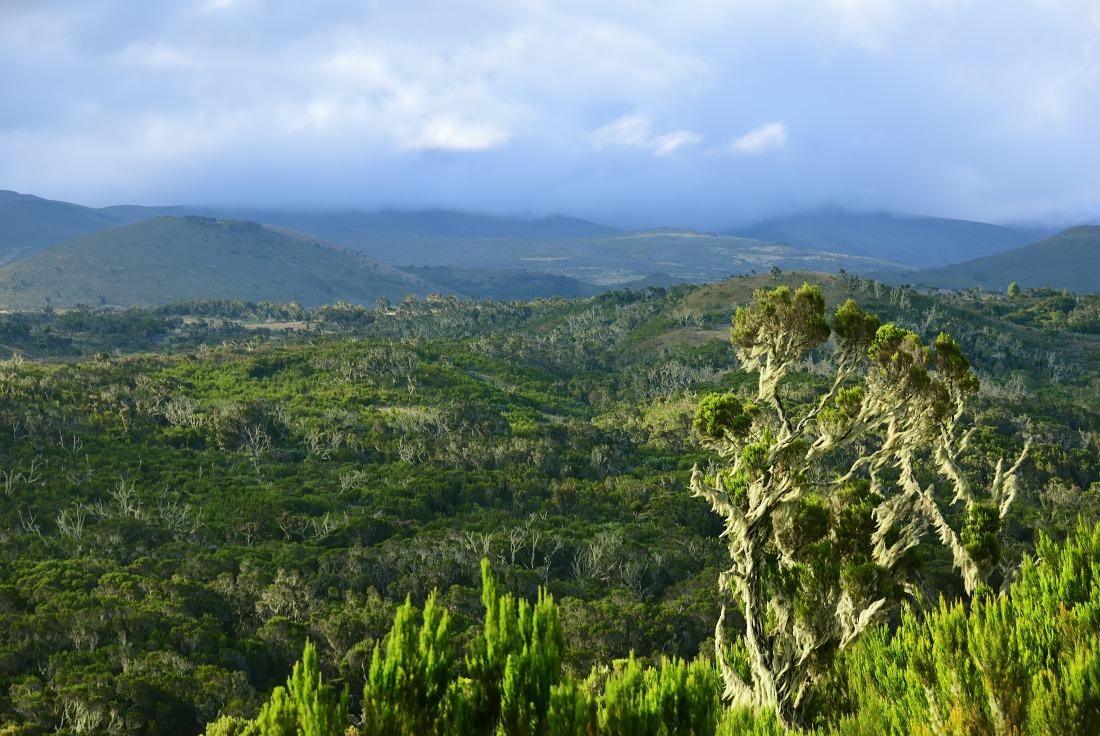
The village is surrounded by banana plants, coffee trees and high-altitude forests. The Marangu waterfalls (Kinukamori and Ndoro) are accessible on foot from the village centre. The Chagga museum presents the history, agriculture and traditions of the Chagga people, who have inhabited these slopes for centuries. Higher up, montane forest gives way to afro-alpine moorland.
History and context
The Chagga developed on these slopes a sophisticated irrigation system (mfongo) that allowed them to cultivate bananas and coffee at high altitude. Marangu is also the starting point of its namesake route, opened to climbers from the late 19th century by early European explorers. The Marangu route remains the only Mount Kilimanjaro path with permanent lodge facilities (huts), earning it the nickname of the "Coca-Cola route."
Highlights of a visit
The Marangu waterfalls
The Kinukamori and Ndoro falls are within a short walking distance from the village. The trails wind through banana gardens and groves of tree ferns. Water cascades from glaciers and high-altitude springs, cool year-round.
The Chagga museum
This small community museum documents traditional Chagga life: agricultural tools, musical instruments, accounts of local history. A guided tour by a local resident considerably enriches understanding of the cultural context.
Gateway to Mount Kilimanjaro National Park
The Marangu Gate (1,980 m) is the official registration point for the Marangu route. Even without summiting, a walk to the edge of the montane forest offers a glimpse of afro-alpine vegetation and the first sweeping views across the slopes.
Coffee and banana plantations
Local guides offer tours of family-run agricultural holdings. You'll observe high-altitude arabica coffee cultivation, from cherry to dried bean, set against a backdrop of lush terraced slopes.
Photography tips
Early morning light (before 9 am) is ideal at the waterfalls: sunlight pierces the canopy and creates rays of light through the mist. For views of Mount Kilimanjaro from the village heights, favour dry season mornings (July–October) before clouds obscure the summit. Portraits in the plantations benefit from soft late-afternoon light.
Location and access
Marangu lies approximately 40 km east of Moshi and about 80 km from Arusha. The road from Moshi is paved and passable by standard car. Daladala minibuses connect Moshi to Marangu several times daily. The nearest airport is Kilimanjaro International (JRO), approximately 50 km away. Accessibility for people with reduced mobility is limited on natural trails; the museum and village centre are accessible on foot over flat terrain.
Nearby attractions
Moshi — main town at the foot of Mount Kilimanjaro, logistics hub with hotels, trekking agencies and bustling market.
Mount Kilimanjaro National Park — UNESCO site home to Africa's tallest peak (5,895 m), accessible via several routes including the Marangu route.
Arusha — regional hub for safaris in the Serengeti and Ngorongoro, approximately 80 km to the west.
Pare Mountains — neighbouring massif less frequented, ideal for off-the-beaten-path hiking.
Frequently asked questions
The dry seasons (January–February and July–October) offer the best conditions: passable trails and clear views of Mount Kilimanjaro. Avoid the heavy rains (March–May) for hiking.
A local guide is not required for the waterfalls close to the village, but it is highly recommended: they know the trails, speak Swahili with locals and enrich the visit culturally.
Yes. The Marangu route starts directly from the village. A complete climb typically takes 5 to 6 days. It is advisable to spend one night in Marangu before departure to acclimatise to the altitude.
Hiking shoes, a light windbreaker and a warm layer for the evening are sufficient for a day visit. If you head up towards the Marangu Gate, pack waterproof clothing.
Several lodges and guesthouses are located in the village, including historic options frequented by trekkers for decades. Book in advance during high season (July–October).
Generally, photography is permitted in the museum, but always ask the staff on site before photographing objects or people.
Want to discover this destination?
Our local advisors design your tailor-made trip.