Rufiji River Camp
Rufiji River Camp
Seasonal tented camp on the Rufiji River, northeast of the former Selous reserve (Nyerere National Park). A base for 4x4, walking and boat safaris.
Rufiji River Camp is a permanent tented camp located northeast of the former Selous reserve, on the banks of the Rufiji River in southeastern Tanzania. It serves as a base for exploring an area renowned for its hippopotamuses, crocodiles and intricate network of waterways. Since 2019, the northern section of the former reserve has been reclassified as Nyerere National Park: depending on the itinerary, the camp is presented as part of this new entity or the historic Selous Game Reserve.
Why stay at Rufiji River Camp
The camp combines three strengths rarely found in a single Tanzanian lodge: direct access to the Rufiji River (and thus boat safaris), the opportunity to undertake walking safaris with a local guide, and a location away from the northern circuit routes (Serengeti, Ngorongoro). The historic operator is the Fox family, active across several Tanzanian camps, who claim to have opened the site in 2009. The establishment remains intimate in scale, with a bush tourism ethos rather than resort-style hospitality.
What to see and do
Accommodation
- 11 classic tents configurable as double or twin beds
- 3 suites with capacity for 4 people, each with private pool
- Thatched roofs, windows protected by gauze screens, private terraces overlooking the river
- Accommodations powered by solar energy, solar water heaters for bathrooms
- Backup generators used only during certain hours to minimise noise and consumption
Activities on offer
- Game drives in open vehicles with sun canopies, morning and late afternoon departures
- Walking safaris led by local guides familiar with the terrain: animal tracks, signs and elusive wildlife
- Boat safaris on the Rufiji to observe hippopotamuses, crocodiles, monitor lizards and aquatic birds (kingfishers, jacanas, fish eagles)
- Communal spaces with lounge, restaurant, bar and small pool
The Rufiji River is one of the few waterways in Tanzania wide and stable enough to support boat activities throughout the dry season, which sets this area apart from northern parks.
Practical information
- Type: seasonal tented camp, private management
- Capacity: 14 units in total (11 tents + 3 suites)
- Energy: primarily solar, generator as backup
- Meals: full board, bar, option to dine outdoors on certain evenings
- Rates: premium positioning, comparable to other camps in the Selous/Nyerere zone; prices vary each season and should be confirmed with the operator
When to visit
The camp is seasonal. It is open from June to February, a period corresponding to the dry season in southern Tanzania. It closes from late March to late May during the long rains, when tracks become impassable and wildlife disperses.
- June to October: marked dry season, wildlife concentrated around water sources, optimal conditions for game drives
- November to February: short rains then green season, more photogenic landscapes, observation of migratory birds
- March to May: camp closed
How to get there
Two main options from Dar es Salaam:
- By car: approximately 250 km via Kibiti, around 6 hours of driving depending on track conditions; route best avoided during the rainy season
- By plane: approximately 45-minute flight to Mtemere airstrip, then 10 minutes by vehicle to the camp; recommended option to save time
Transfers from the airstrip are generally organised by the camp as part of the package.
What to see in the region
Southern Tanzania is less frequented than the northern circuit and lends itself to multi-day extensions. Before or after the safari, several sites complement an itinerary:
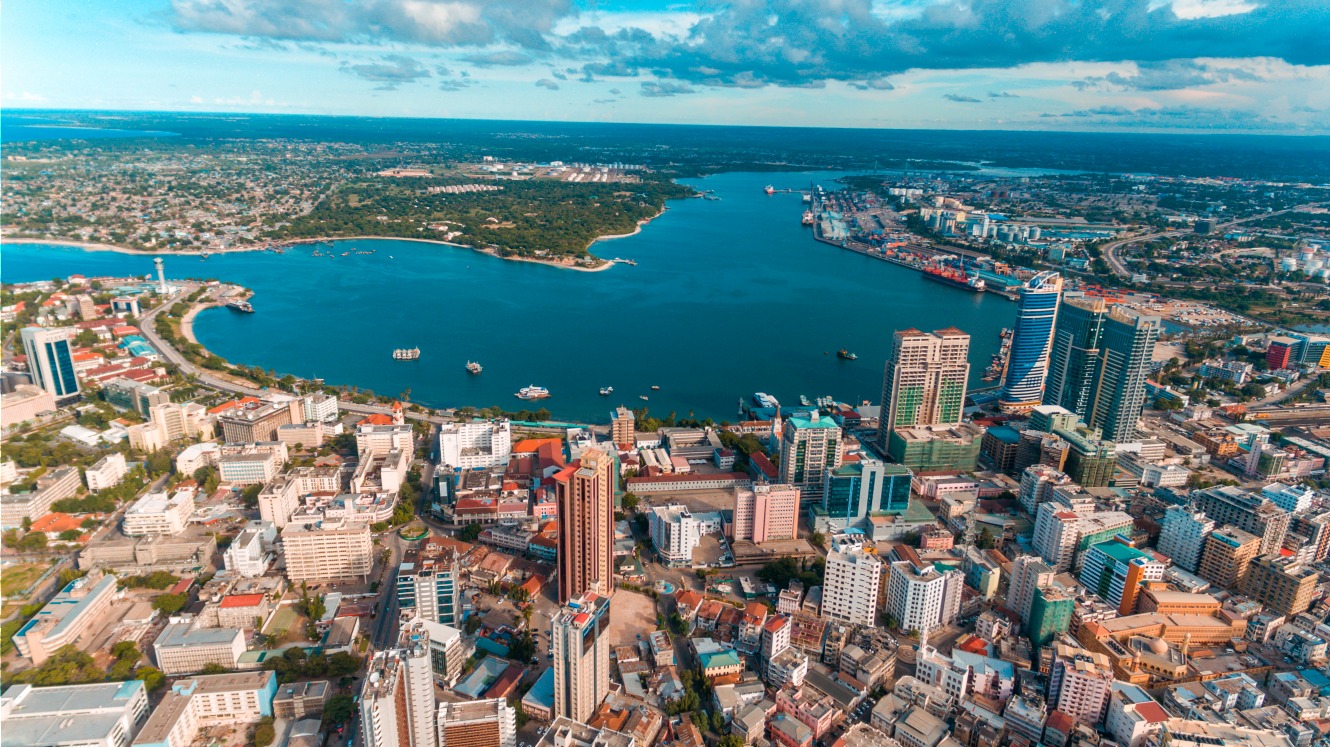
- Dar es Salaam, international arrival point and gateway to the south
- The Great Rift Valley, a major geological formation in the country
- Amboni Caves, in the Tanga region
- Kiwengwa Forest on Zanzibar for a beach extension
Frequently asked questions
Frequently asked questions
No. The camp operates from June to February and closes from late March to late May during the rainy season, when park tracks become impassable.
Flying is the most practical option: approximately 45 minutes from Dar es Salaam to Mtemere airstrip, then 10 minutes by vehicle. The road route via Kibiti takes approximately 6 hours for 250 km.
Three main formats: open 4x4 game drives, walking safaris with a local guide and boat safaris on the Rufiji River to observe hippopotamuses, crocodiles and aquatic birds.
Since 2019, the northern section of the former Selous reserve has been reclassified as Nyerere National Park. The camp is located in this zone: the designation used varies according to operators and official documents.
A 3-night stay allows you to combine all three types of safaris (vehicle, walking, boat). Allow 4 nights or more to explore the area in depth.
Organising your stay
Rufiji River Camp fits into a southern Tanzania circuit, often combined with Ruaha National Park or a Zanzibar extension. To build a tailor-made itinerary including this camp, consult our Tanzania trips.
Interested in this visit?
We can include it in your personalised itinerary.