Mweka Gate
Mweka Gate
At 1640 m on the southern slope of Kilimanjaro, near Moshi, Mweka Gate is the official exit for the Machame, Lemosho, Umbwe, Shira and Northern Circuit routes.
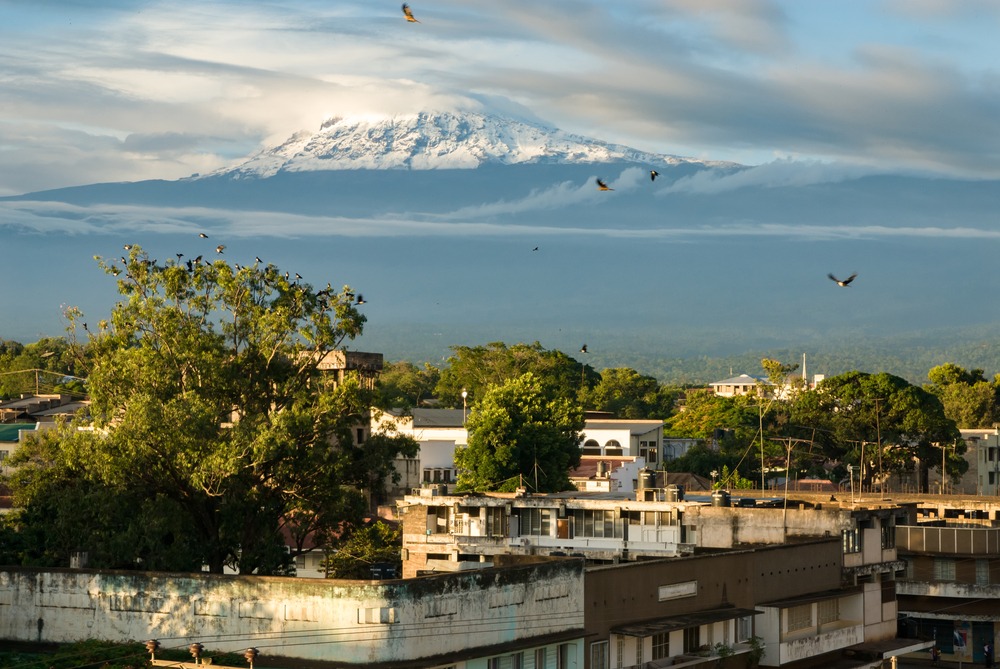
Located at 1640 meters altitude on the southern slope of Mount Kilimanjaro, Mweka Gate (Mweka Gate) is one of the official access points to Kilimanjaro National Park. It does not serve as a starting point for climbs, but is the main exit used by most trekkers at the end of their trek.
The role of Mweka Gate on Kilimanjaro
All climbing routes on Kilimanjaro descend via Mweka, with the exception of the Marangu route which follows a round trip on the same slope. Trekkers who have climbed the mountain via the Machame, Lemosho, Umbwe, Shira or Northern Circuit itineraries therefore complete their journey here. The Mweka road leading to the gate is reserved exclusively for descent: no climbs venture onto it.
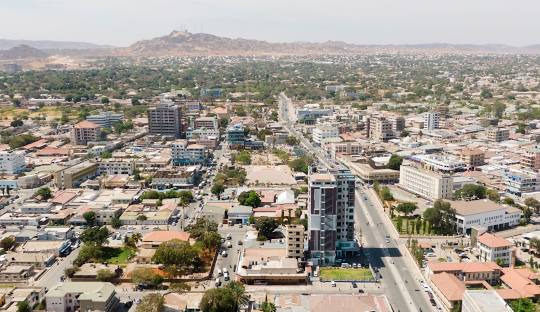
The gate is located in the rural Uru West Ward area, on the edge of humid tropical forest, near the town of Moshi, the logistical base for most expeditions.
What to see and do at Mweka Gate
A forest area rich in wildlife
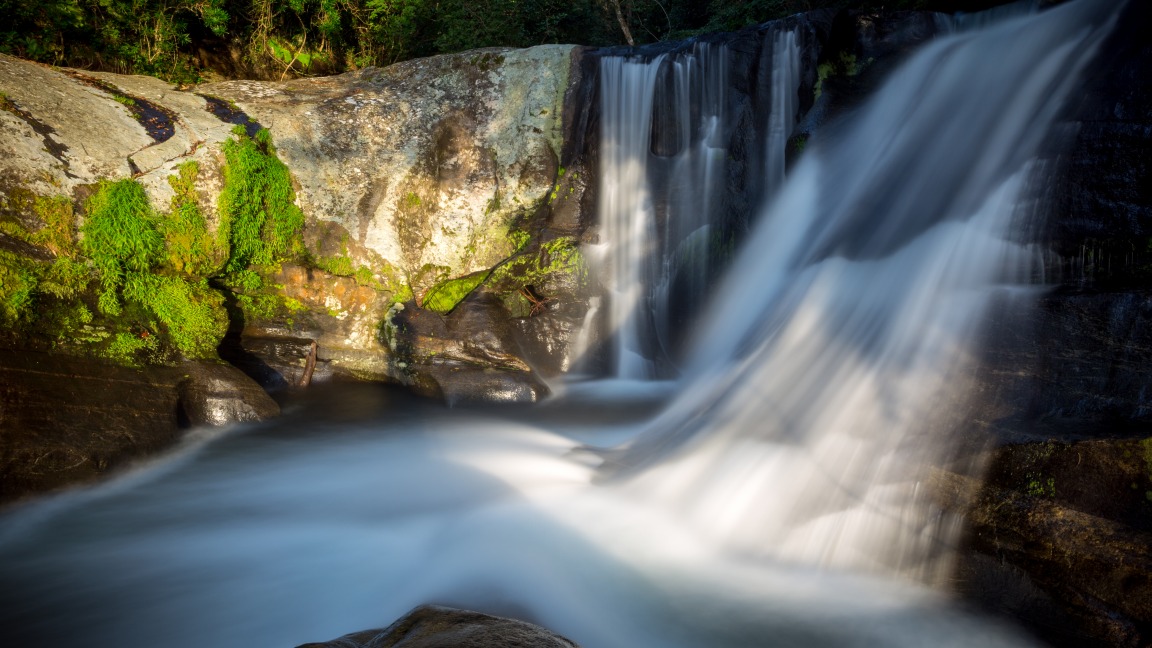
The gate is nestled in Kilimanjaro's humid forest belt, the last vegetation layer crossed before reaching the plains. The contrast with the arid high-altitude zones is striking: dense vegetation, humid atmosphere and filtered light. Regular sightings include:
- colobus monkeys in the canopy;
- chameleons on lower branches;
- varied bird life, typical of the mountain's forest level.
The end-of-trek ritual
Mweka Gate is also where the adventure comes to an end. Trekkers who have reached the summit (Gilman's Point or Uhuru Peak) receive an official certificate of achievement issued by the park authorities. Guides and porters reunite their teams here, and arrival often features songs and group photos. A few shops sell local crafts and drinks.
Practical information
Arrival procedures
Registration at Mweka Gate is mandatory. Checks include:
- verification of passport and visa;
- the route actually taken;
- identification of the guide attached to an authorized agency;
- resources mobilized (porters, tents, provisions);
- proof of payment of park entry fees.
On-site facilities
The gate remains modest but functional: registration post, basic sanitary facilities, celebration space and a few craft shops. No accommodation is offered at the site itself.
Payments and budget
Plan for cash in Tanzanian shillings or US dollars: bank cards are rarely accepted in this rural area, whether for team tips, souvenirs or drinks.
When to pass Mweka Gate
The gate is open year-round, but is frequented according to the Kilimanjaro climbing calendar. The most favorable climbing windows are:
- January to mid-March: generally dry weather, stable temperatures.
- June to October: dry season, high traffic, reliable conditions.
The long rains (mid-March to May) and short rains (November) make the descent through the Mweka forest particularly slippery. Whatever the month, plan for rain protection: the tropical forest maintains high humidity even in the dry season.
How to reach Mweka Gate
The gate is accessible by vehicle from the main entry points in northern Tanzanie:
- From Moshi: allow approximately 30 to 45 minutes of driving, via Mweka village.
- From Arusha: 1.5 to 2 hours of travel, passing through Moshi.
- From Kilimanjaro International Airport (JRO): approximately 1 hour transfer.
Transport is generally organized by the expedition agency, which picks up trekkers at the bottom of the descent to return them to Moshi.
What to see nearby
Before or after the trek, several stops extend your discovery of the region:
- Moshi, the town that supports climbs, ideal for recovery;
- the Barranco camp, an iconic stage of the Machame route during the ascent;
- the Great Rift Valley, to explore as part of a northern circuit;
- the Boma Natural History Museum, to contextualize regional geology.
Frequently asked questions
Frequently asked questions
Preparing your Kilimanjaro ascent
Mweka Gate is the finishing point of one of Africa's most demanding climbs. To prepare a guided trek, with logistics, local teams and adapted acclimatization, consult our Tanzanie trips.
Interested in this visit?
We can include it in your personalised itinerary.