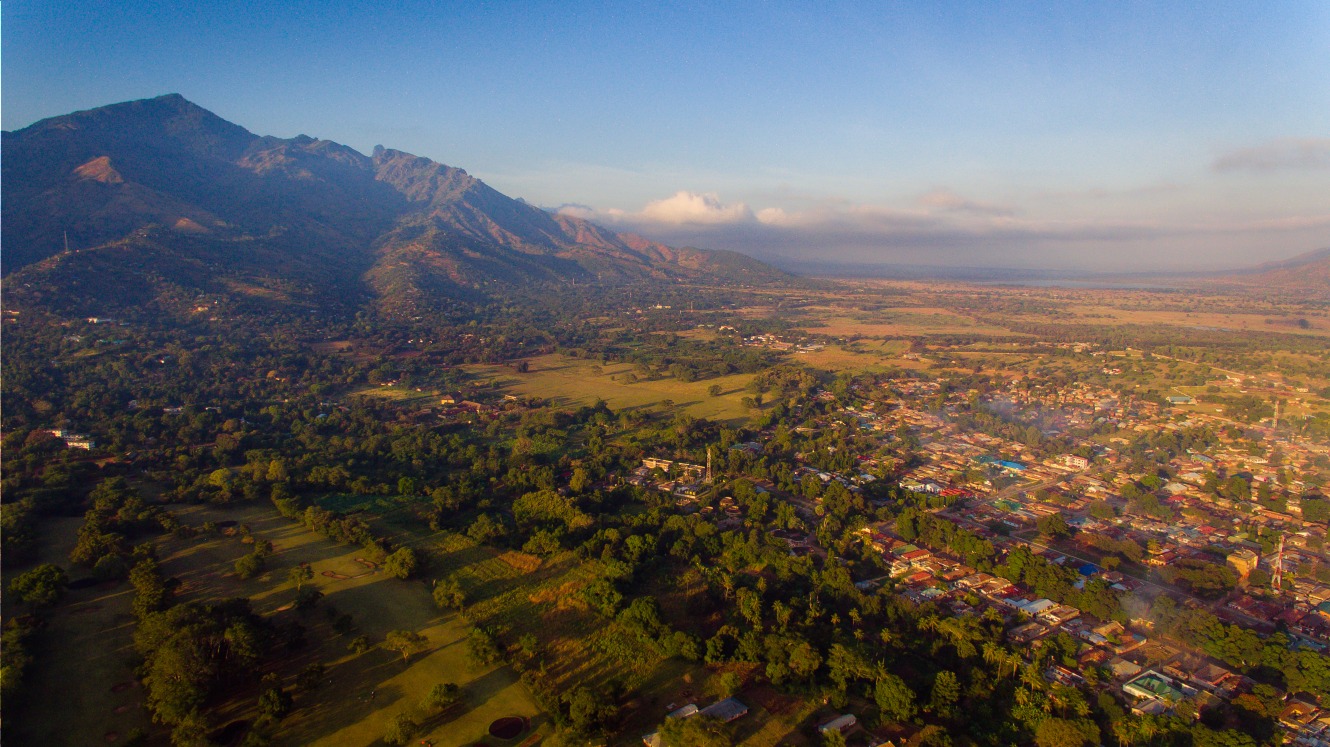
Udzungwa Mountains National Park
Udzungwa Mountains National Park
In southern Tanzania, Udzungwa Mountains National Park is home to montane forests, six primate species and over 400 birds to discover on foot.
In southern Tanzania, west of the city of Morogoro, the Udzungwa Mountains National Park covers approximately 1,990 km² of montane forests, grasslands and steep slopes. Renowned for its endemic primates and bird life, it appeals to travellers seeking hiking and wildlife observation rather than classic safari experiences.
Why visit Udzungwa
Udzungwa is part of a cluster of forest massifs known as the "Eastern Arc" or Eastern Arc Mountains, considered one of Africa's biodiversity hotspots. The park stands out from most Tanzanian protected areas for three key features:
- a dense montane forest, with trees reaching 30 metres high, explored only on foot
- the presence of six primate species, two of which are endemic: the Iringa red colobus (or Uhehe) and the Sanje crested mangabey
- more than 400 recorded bird species, four of which are found nowhere else
Unlike savanna parks such as Serengeti or Mikumi, the experience centres on forest walking, patient observation and listening, without safari vehicles.
History and etymology
The name "Udzungwa" derives from the Kihehe word "Wadzungwa", referring to peoples living on the mountain slopes. The park was created and officially opened in 1992 by the then-president of the WWF, Prince Bernard of the Netherlands. This official protection crowned several decades of scientific research on the Eastern Arc, whose forests serve as a refuge for species isolated for millions of years.
What you will see
Forests and vegetation
The park juxtaposes several ecosystems staggered by altitude: humid tropical forests, montane forests, Miombo woodlands, grasslands and steppes. The understory harbours ferns, mosses, lichens and fungi, testament to the ambient humidity.
Primates and terrestrial fauna
The six primate species are the main attraction. The Iringa red colobus and Sanje crested mangabey are the two endemic species guides prioritise during hikes. Large savanna fauna (elephants, buffalo) is occasional and concentrated at the forest margins; do not come to Udzungwa expecting the Big Five.
Birds
With over 400 species, including four endemic, the park holds particular appeal for birdwatchers. Among regularly observed species: forest partridge, marabou, green-headed oriole, Rüppell's vulture, crowned eagle, forest kingfisher, silvery-cheeked hornbill, trumpeter hornbill.
Sanje Falls
Several trails lead to waterfalls, including Sanje Falls which cascade down approximately 170 metres. This is the most popular day-hike route.
When to go
The dry season, from June to October, is the most comfortable period for hiking: passable trails, wooden bridges less slippery, wildlife observation enhanced. The rainy season (March to May especially) makes some paths muddy but offers lush vegetation and better waterfall conditions. Transition months (November, February) strike a good balance for those seeking fewer crowds.
Practical information
- Guide mandatory: no hiking is permitted without an accredited park guide, recruited at the park entrance
- Trails: from short circuits (2-3 hours to the first waterfalls) to multi-day treks with camping
- Difficulty level: most routes involve sustained elevation gain; hiking boots recommended
- Fees: entrance fee (resident/non-resident rates differ), camping supplement and guide fees; check current TANAPA rates before departure
- Accommodation: a few lodges and campsites around Mang'ula village, near the main entrance
Access
The park is located approximately 360 km west of Dar es Salaam, close to Mikumi National Park.
- By car: allow approximately 5 hours from Dar es Salaam and 3 hours from Mikumi via the tarmac road to Mang'ula
- By train: the TAZARA serves Mang'ula from Dar es Salaam, with departures on Tuesdays and Fridays around 2 pm. This is the most economical option
- By air: chartered flights can reach Kilombero or Mikumi airstrips from Dar es Salaam or Zanzibar, to be arranged through your tour operator
Combine with nearby attractions
Udzungwa fits well into a southern Tanzania circuit. You can extend your visit with the stopover town of Morogoro, at the foot of the Uluguru Mountains, or other natural sites in the country such as the Great Rift Valley. For those continuing to the coast or inland, the Amboni Caves and the Museum of Natural History in Boma, in Arusha, complement a natural discovery of Tanzania.
Frequently asked questions
Frequently asked questions
Yes. All hikes in the park are conducted with an accredited guide, recruited at the Mang'ula reception office. This rule applies to short circuits as well as multi-day treks.
One day is sufficient for the Sanje Falls short circuit. Allow 2 to 3 days to enjoy multiple trails and observe primates in good conditions, and up to 5-6 days for a high-altitude trek with camping.
The trails are mostly uphill, sometimes on wooden steps or rooty passages. A reasonable level of fitness is necessary; however, there are itineraries accessible to occasional walkers on half-day excursions.
Udzungwa is not a savanna park. The park's emblematic fauna consists of forest primates and forest birds. Elephants and buffalo are rare and elusive. For large predators, it is better to combine this visit with Mikumi, Ruaha or Nyerere.
The dry season, from June to October, offers the best hiking conditions. Rains from March to May make trails slippery but the forest is particularly vibrant.
Plan your trip
Udzungwa Mountains National Park is part of southern Tanzania itineraries, often paired with Mikumi, Ruaha or Nyerere. To build a bespoke journey combining forest hiking, safari and cultural stops, consult our Tanzania travel ideas.
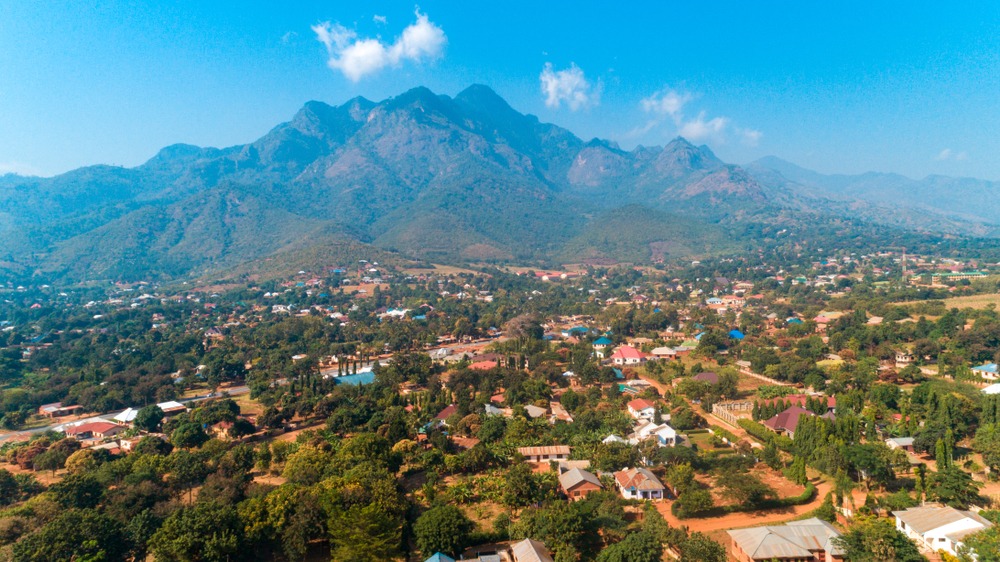
Interested in this visit?
We can include it in your personalised itinerary.