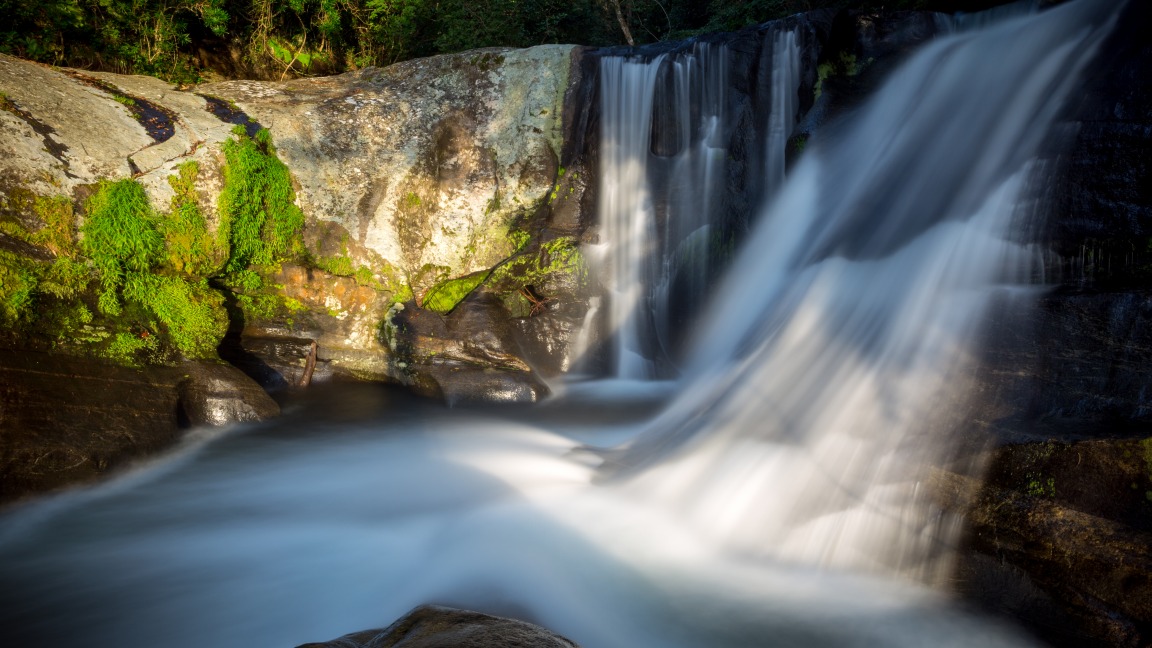
Kitulo National Park
Kitulo National Park
A high-altitude plateau in southern Tanzania, Kitulo is Africa's first protected area dedicated to flora conservation: 400 plant species and unique birdlife.
Nicknamed the "Garden of God" or the "Serengeti of Flowers," Kitulo National Park protects a high-altitude plateau in the southern highlands of Tanzania, renowned for its exceptional flora. Africa's first protected area dedicated to plant conservation, it is home to more than 400 plant species, including some forty orchids, on soil of volcanic origin.
Why visit Kitulo National Park
The Kitulo plateau stretches between the provinces of Njombe and Mbeya, framed by the Poroto and Kipengere mountains. Spanning 412 km², it offers a rare landscape in East Africa: rolling grasslands carpeted with wildflowers rather than savanna megafauna. Botanists find it a major research ground, ornithologists discover endemic birdlife, and hikers enjoy a network of high-altitude trails where the air remains cool year-round.
Unlike the major parks in the north of the country, Kitulo is explored on foot. It makes a natural complement to an itinerary including the Great Rift Valley or southern Tanzania's reserves.
Park history
The earliest written records of the plateau date back to the visit of British explorer Frederick Elton around 1870. In the 1960s, the United Nations designated an area for wheat cultivation and sheep herding as part of a food program. When the project failed to meet its targets, the site was converted into a dairy farm in 1972, still operating today.
Protection efforts were subsequently led by the Wildlife Conservation Society (WCS), aimed at curbing the unregulated trade in orchid bulbs and exploitation of surrounding forests. The national park was officially established in 2005 and placed under TANAPA administration. It constitutes Africa's first protected reserve entirely dedicated to flora conservation.
What to see and do at Kitulo
The "Serengeti of Flowers"
The plateau's vegetation benefits from soil of volcanic origin and sustained rainfall. More than 400 plant species are recorded here: geophytes, proteas, geraniums, daisies, asters, aloes. To this add some forty orchid species, several endemic to the plateau. This floral concentration, unique in East Africa, earned the park its nickname "Serengeti of Flowers."
Fauna and birdwatching
The park is not a typical safari site, but several mammals can be observed here: colobus monkeys, vervet monkeys, waterbucks, and antelopes. Forested areas harbor lizards and chameleons, and grasslands attract a wide diversity of butterflies.
The birdlife alone justifies the visit. Kitulo is home to Tanzania's only population of Denham's Bustard, as well as localized species such as the mountain marsh widow, the Kipengere seed-eater, the blue swallow, and the Njombe Cisticola. The plateau also serves as a stopover for migratory storks traveling between the Cape and Northern Europe.
Hiking on the plateau
The park is well-suited for half-day to full-day walks. Trails cross rolling grasslands with the Poroto and Kipengere peaks as backdrop. Plan on good physical fitness: altitude hovers around 2,600 m.
When to visit Kitulo
The park is open year-round, but two windows stand out based on your priorities:
- December to April (rainy season): peak flowering period and best season for birdwatching and butterfly observation. Trails sometimes muddy.
- June to October (dry season): ideal conditions for hiking. Vegetation is less dense and trails more passable.
How to reach the park
Kitulo lies off the main tourist routes. Several options:
- By air: chartered flight from Dar es Salaam to the Songwe airport, near Mbeya, then by road to the park.
- From Mbeya: approximately 550 km by road, to be traveled in a 4x4 vehicle. This is the most practical access.
- From Kigoma: possible in dry season only, with an appropriate vehicle. The distance is long and the route requires several days.
A 4x4 vehicle is recommended for the final section, especially during or just after the rainy season.
Practical information
- Area: 412 km²
- Average altitude: around 2,600 m
- Manager: TANAPA (Tanzania National Parks Authority)
- Fees: entrance fee payable in USD or Tanzanian shillings, to be confirmed with TANAPA before your trip
- Accommodation: few facilities on-site; most visitors stay in Mbeya or Njombe
- What to bring: warm clothing (cool temperatures at altitude), good hiking shoes, East African ornithology handbook
Nearby attractions
To extend your discovery of Tanzania beyond the plateau, several sites complement Kitulo well:
- The Great Rift Valley — major geological landscapes crossing the country.
- Jozani Chwaka Bay National Park — coastal forest in Zanzibar, for striking contrast with the highlands.
- Amboni Caves — karst network in the country's northeast.
- Boma Natural History Museum — useful for placing Tanzanian biodiversity in context.
Frequently asked questions
Frequently asked questions
This nickname, given by botanists, refers to the density and diversity of the plateau's flora: more than 400 plant species and some forty orchids, several endemic, blanket the grasslands during the rainy season.
Kitulo is not a megafauna park. You may encounter colobus monkeys, vervet monkeys, waterbucks, and antelopes, but the main interest lies in flora and birdlife. For a classic safari, it's better to combine it with a southern Tanzania reserve.
Peak flowering occurs between December and April, during the rainy season. This is also the best time for birdwatching and butterfly observation.
Yes, a 4x4 vehicle is strongly recommended, especially for the final kilometers and during the rainy season. Tracks can become difficult after heavy rains.
One to two full days allow you to explore the main trails and observe flora and birdlife. Botany or ornithology enthusiasts often spend more time.
Plan your trip
Kitulo National Park fits naturally into an itinerary focused on southern Tanzania, still rarely visited by international tourism. To build a coherent stay combining high-altitude flora, fauna, and spectacular landscapes, explore our trips to Tanzania.
Interested in this visit?
We can include it in your personalised itinerary.