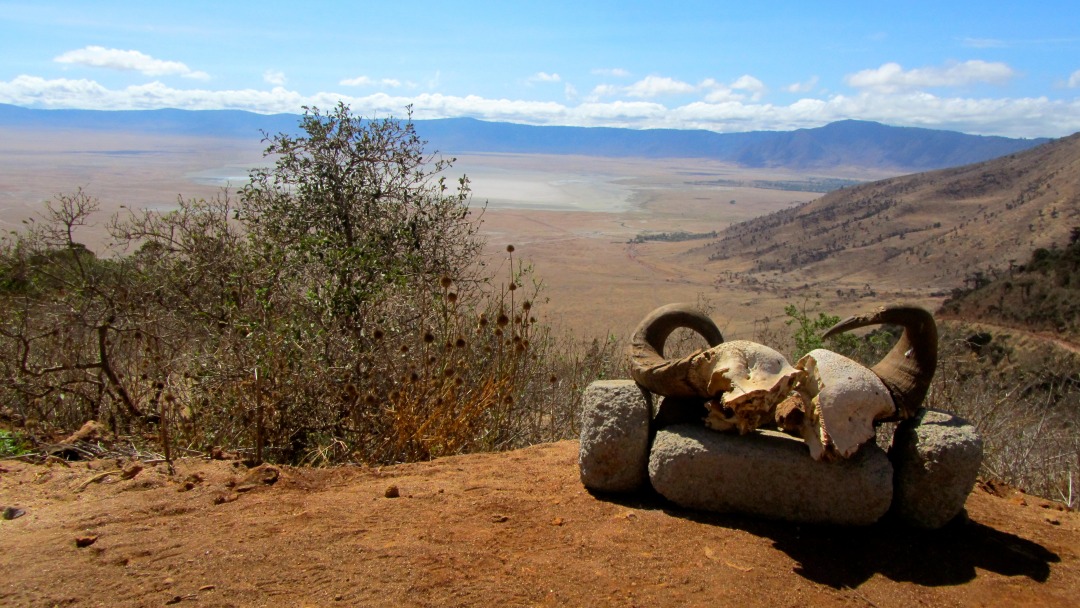
Lake Eyasi is a shallow endorheic salt lake situated at the bottom of the Great Rift Valley, at the foot of the Serengeti plateau, in the highlands of northern Tanzanie's crater region. More than just a scenic stop, it is above all the territory of the Hadzabe and the Datoga, two peoples whose ways of life attract travellers and anthropologists alike.
Why visit Lake Eyasi
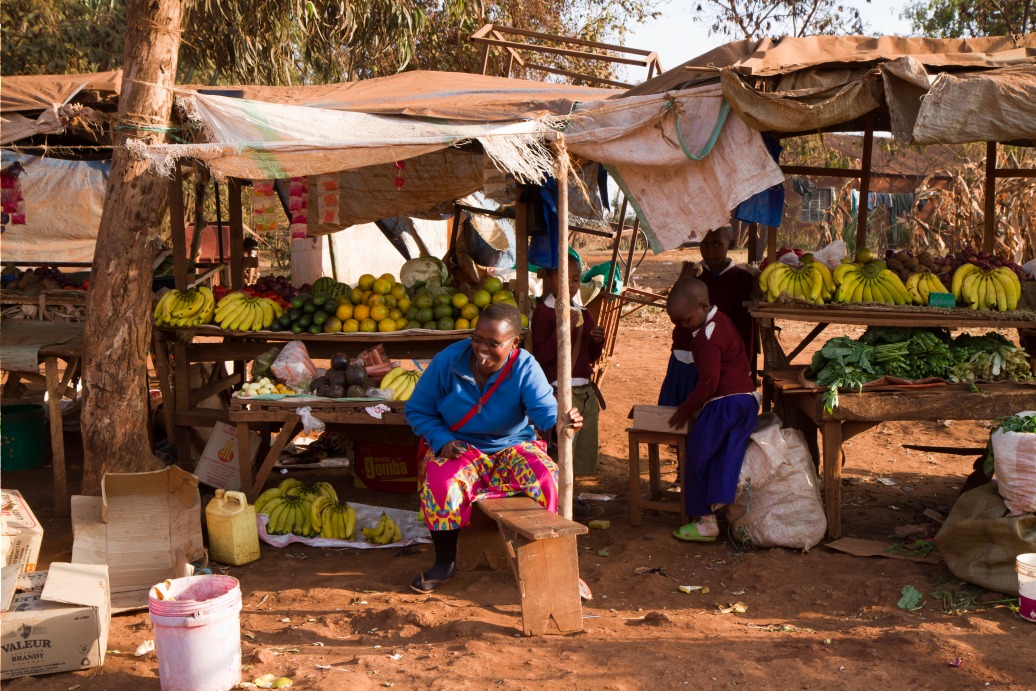
Lake Eyasi sets itself apart from its more well-known neighbours, such as Manyara or Natron, through its human dimension. The region is home to one of the world's last communities of hunter-gatherers, the Hadzabe, estimated at around one thousand people, as well as the Datoga, herders and blacksmiths of Nilotic origin.
The site is part of the chain of alkaline lakes of the Rift Valley. During the rainy season, its brackish waters welcome lesser flamingos and numerous waterfowl; in the dry season, the lake sometimes shrinks to a blue patch amid a semi-desert plain, even disappearing in places.
What to see and do
The Hadzabe, hunter-gatherers
The Hadzabe speak a click language and still largely live by bow hunting and foraging. An encounter requires preparation with a local guide: you drive into the bush to a temporary settlement, often set in the shade of a baobab tree. Men may demonstrate arrow-point making, fire-lighting by friction and certain tracking techniques. Progressive sedentarisation imposed by the Tanzanian government, as well as tourist pressure from lodges, pushes these groups to relocate or modify their movements.
The Datoga, herders and blacksmiths
The Datoga (sometimes spelled Datooga) live nearby, in family bomas. They are cattle herders and work salvaged metal to make arrow points, bracelets and blades. A visit to an open-air forge allows you to observe craftsmanship passed down through generations.
The lake and its landscapes
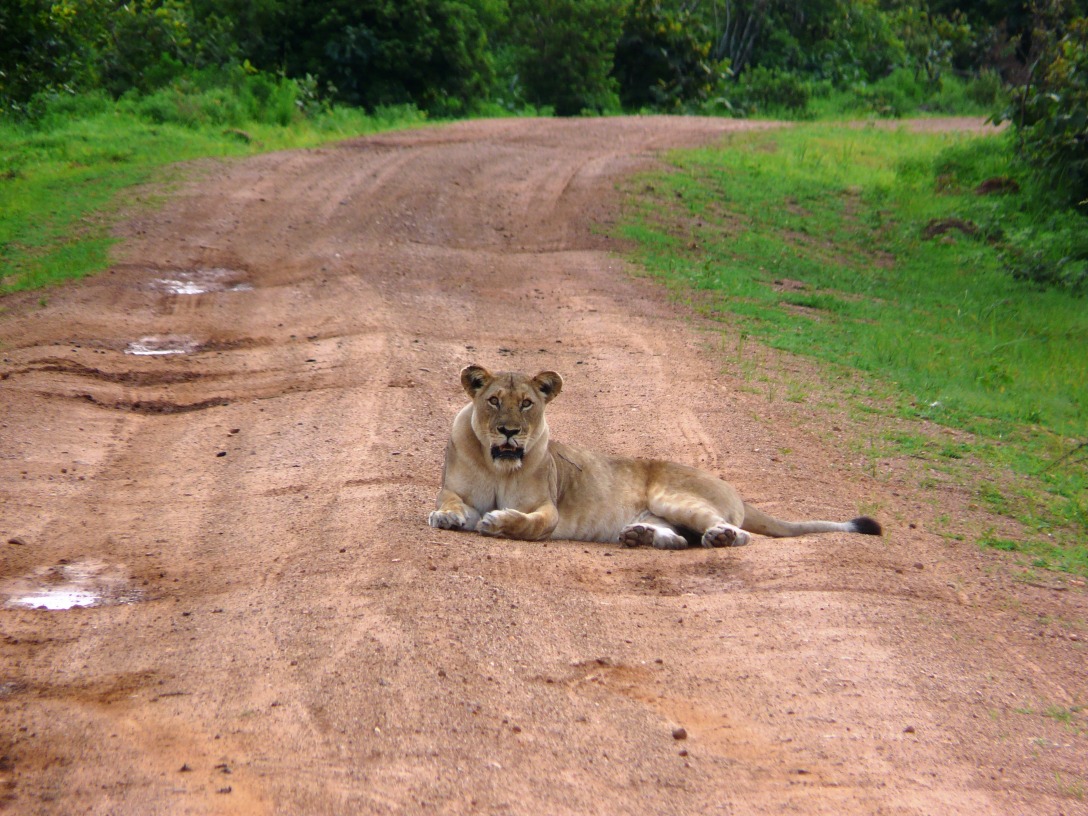
Beyond the encounters, the area offers landscapes of acacias, baobabs and salt plains. Depending on the season, you may spot a few mammals (dik-diks, baboons, sometimes herds of Datoga cattle) and observe birdlife associated with alkaline waters.
Practical information
- Duration of visit: allow half a day to a full day from Karatu, longer if you stay overnight.
- Guidance: visits to the communities must be conducted with a local guide, who serves as interpreter and negotiates the contribution paid to the community.
- Ethics: favour operators who share a fair portion with families, ask permission before taking photos and limit individual gifts that disrupt the group's life.
- Equipment: closed-toe shoes, light and covering clothing, water, sun protection. Temperatures are high during the day.
When to visit
Lake Eyasi can be visited year-round, but the dry season, from June to October, remains the most comfortable: tracks are passable, temperatures bearable and camps easy to reach. Between April and May, the long rainy season makes walking trails and roads difficult to pass, with some access becoming temporarily impassable by 4x4. The period from January to March offers a good compromise with greener vegetation and abundant birdlife.
How to get there
The classic access is from Karatu, the main town in the region, populated largely by the Iraqw, a Cushitic people. The track that descends to the lake is rough and requires a 4x4 vehicle, especially after rain. Allow about two to three hours of driving from Karatu to the first camps. Lake Eyasi fits naturally into a northern Tanzanian circuit combining Ngorongoro, Serengeti and Manyara.
Nearby
- Karatu: gateway to the highlands, logistical base for lodges and safaris.
- The Great Rift Valley: geological whole of which Lake Eyasi is a part.
- Arusha National Park: often combined as a start or end point of an itinerary.
Frequently asked questions
Frequently asked questions
Plan your trip
To include Lake Eyasi in a tailor-made itinerary, explore our travel ideas in Tanzanie and build with us an itinerary that combines ethnographic encounters and the great parks of the north.