Karatu
Karatu
At the gates of Ngorongoro and Lake Manyara, Karatu is far more than a stopover: coffee plantations, Iraqw culture, and budget-friendly lodges.
Karatu is a small town located not far from the Ngorongoro Crater, in the Arusha region, in northern Tanzania. Vibrant and colorful, it is the ideal place to spend a restful night before venturing into the caldera. Its broad streets are bustling with life and lined with souvenir vendors. Discover in this guide what awaits you in this locality and its surroundings.
Karatu at a Glance
Karatu is the capital of its namesake district. Nicknamed the "Safari Crossroads," it nestles at the gateway to two of Tanzania's most emblematic natural sites: Lake Manyara National Park and the Ngorongoro Crater.
It is a privileged passage point for travelers heading to these destinations. It often serves as a quick stopover between two safari expeditions, or as a more budget-friendly lodging option compared to lodges situated on the rim of the crater or the park.
A lively small town, Karatu has a population of 26,617 inhabitants (2012 census). The local culture is strongly influenced by the Iraqw, the dominant tribe in the region.
The Iraqw are primarily Christian. Their language is of Ethiopian origin. They live primarily from agriculture, but also from tourism, notably by selling cultural objects to visitors traveling to or returning from the Ngorongoro Conservation Area.
What to Do in Karatu and Its Surroundings?
1. Explore the Village
A visit to Karatu offers an authentic immersion in Tanzanian local life. This vibrant small town offers a fascinating blend of modernity and tradition.
Here, colorful tuk-tuks weave between safari vehicles and ox-drawn carts. Modern buildings stand alongside traditional structures built from hand-fired earth bricks, a material widely used throughout the region.
These bricks are crafted by hand. Witnessing their molding, drying, and firing process under the Tanzanian sun is an activity quite popular with travelers visiting the town.
During your exploration of the town, do not miss Karatu's market. This place brims with colors, aromas, and flavors. Its stalls, overflowing with tropical fruits, fresh vegetables, and fragrant spices, will invite you to discover the region's treasures.
It is also the perfect place to purchase souvenirs, such as carved wooden ornaments, colorful fabrics, local delicacies, and Tingatinga paintings.
2. Visit a Coffee Plantation
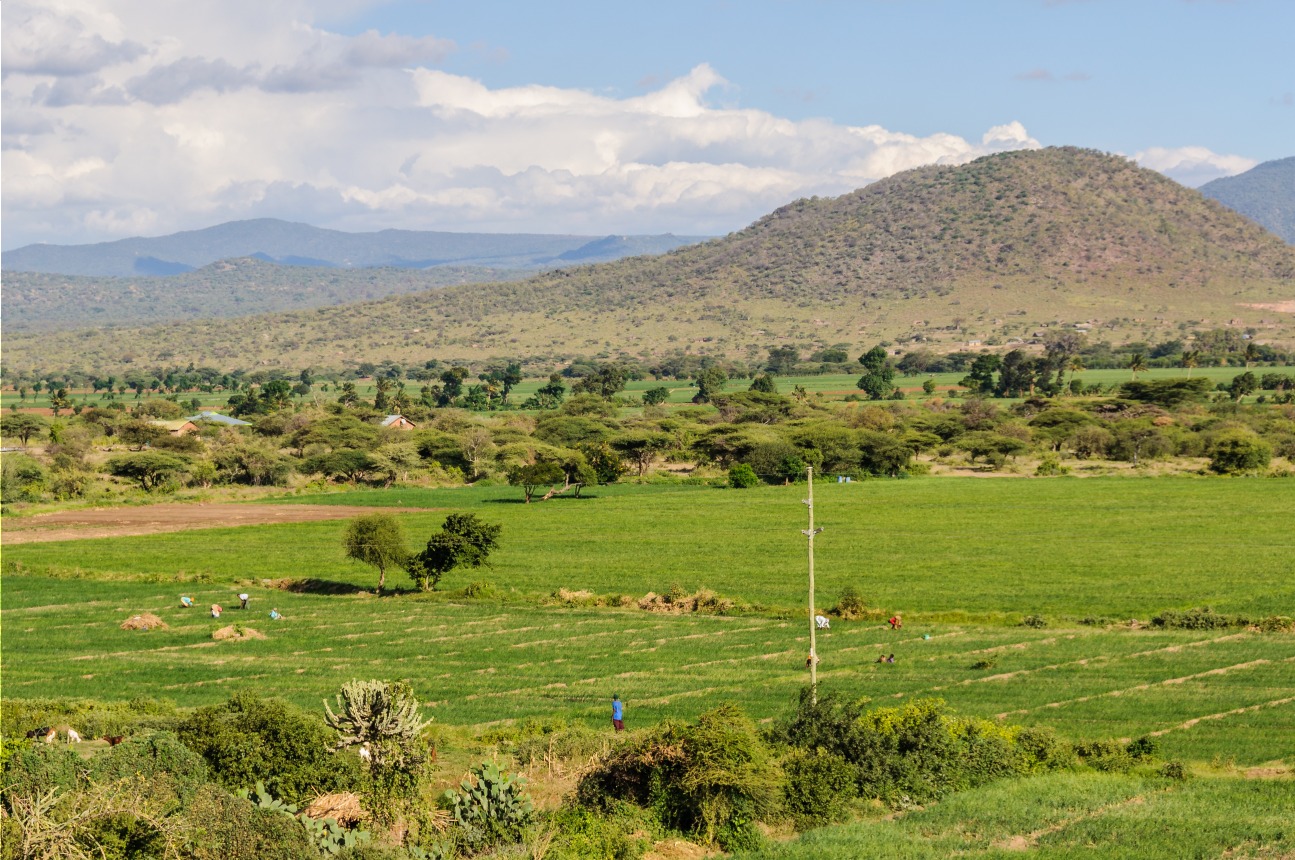
Karatu is situated in a region with fertile volcanic soil. This makes it an excellent territory for coffee cultivation.
Several coffee plantations produce high-quality beans, appreciated both locally and internationally. Among the most reputed estates are Gibb's Farm, Shangri-La Estate, Blackburn Coffee Estate, and Ngila Coffee Estate.
During their visits, travelers can learn more about the entire coffee production process, from growing coffee plants to roasting the beans. Guides explain how soil quality and climatic conditions influence the flavor of the coffee.
Visits typically conclude with a tasting, where you can appreciate the complex aromas of local coffee, often accompanied by explanations of different brewing methods.
3. Participate in Humanitarian and Educational Projects
Karatu is home to several initiatives aimed at improving local living conditions. Various organizations offer the opportunity to become involved in community projects, including the Foundation for African Medicine & Education (FAME), which provides essential medical care to residents. It is possible to visit the hospital by appointment, exchange with medical staff, or contribute to its funding.
Other programs focused on education, access to clean water, and sustainable development also allow you to provide concrete support to the community.
4. Attend Karatu's Iraqw Market
On the 7th and 25th of each month, Karatu hosts a large market where residents of the region gather, notably the Iraqw people. This market is a genuine immersion into local culture. You will find traditional crafts, colorful fabrics, spices, and pottery crafted using ancestral techniques.
5. Discover Iraqw Culture
The Iraqw are a people with fascinating traditions. An immersive visit to an Iraqw village allows you to better understand their way of life, customs, and history.
Local guides explain how this ethnic group long had to defend itself against attacks by Maasai warriors and how it developed ingenious protection techniques, such as building semi-underground houses to escape raids. Today, the Iraqw preserve some of these traditions while integrating elements of modernity.
Visits often include discovery of a traditional house, demonstration of grain processing techniques (stone grinding, underground storage), and sometimes an introduction to Iraqw songs and dances. It is a wonderful opportunity to better understand Tanzania's cultural diversity and share an authentic moment with local residents.
6. Hike Through Ngorongoro's Forests
The verdant hills surrounding Karatu are home to part of the Ngorongoro forests. Well-marked hiking trails allow you to explore these landscapes and access unique natural sites.
Among the region's points of interest are the Elephant Caves, created by these animals to obtain minerals essential to their diet. Along the way, hikers can also observe magnificent waterfalls, refreshing stops during their long walk.
Fauna is also a major attraction of the Ngorongoro forests. It is not uncommon to encounter baboons, black and white colobus monkeys, antelopes, and a multitude of colorful birds. With a bit of luck, it is even possible to spot buffalo or elephants at the forest's edge.
7. Bike or Hike Through the Surrounding Countryside
For those wishing to venture off the beaten path, the surrounding countryside is crisscrossed by numerous hiking and biking itineraries. The trails cross agricultural villages, coffee and banana plantations, and hills that unfold spectacular panoramas of the Rift Valley.
These excursions are an opportunity to observe the daily life of residents, often busy working the land or tending their livestock. Some circuits even allow you to visit local farms and chat with farmers about their cultivation methods. The more adventurous can opt for a longer itinerary, leading to the edges of the Ngorongoro Crater or Lake Manyara National Park.
Practical Information
When to Visit This Part of Tanzania?
The best time to visit the region is during the dry season, from June to October, when the climate is pleasant, roads are passable, and wildlife viewing is easy. Avoid the rainy season, from November to May, which can make travel difficult.
You will reach Karatu by car from Tarangire National Park. Allow approximately 2 hours of driving (90 km) through stunning landscapes offering incredible views of the Rift Valley.
Accommodation in Karatu
See all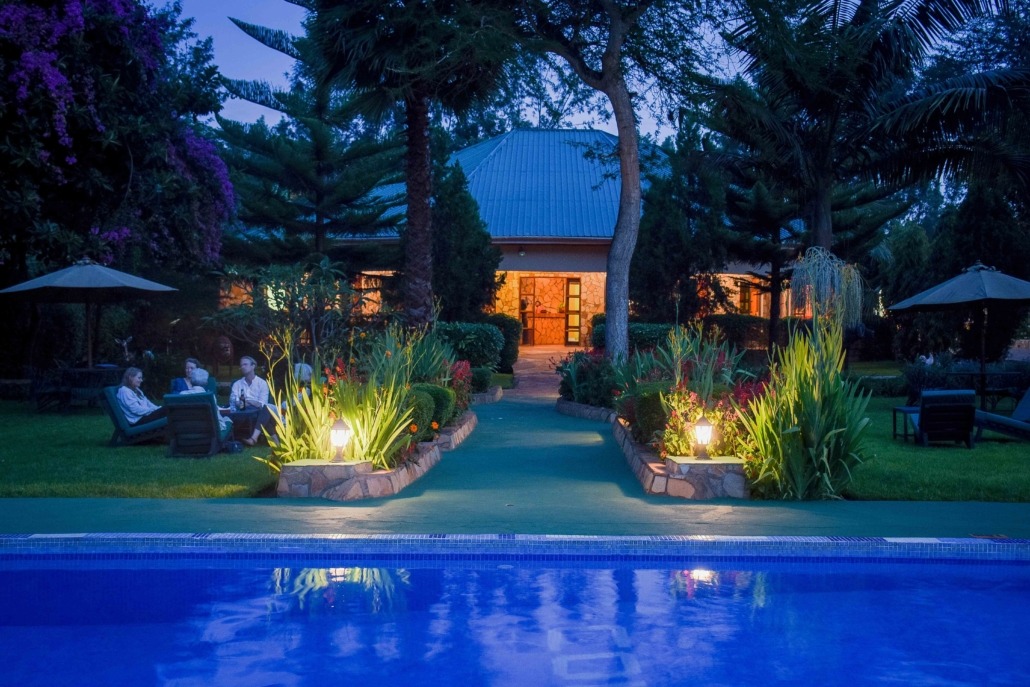
Country Lodge
Lodge de 24 chambres à Karatu, base pratique pour rayonner sur Ngorongoro, Manyara, Tarangire et le lac Eyasi sur le circuit nord de la Tanzanie.
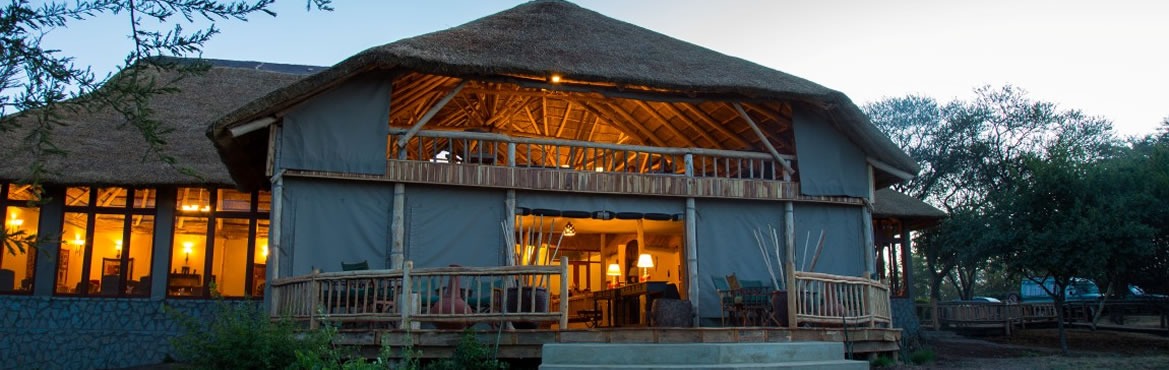
Ngorongoro Forest Tented Lodge
Campement de 12 tentes sur pilotis en lisière de forêt à Karatu, point de chute pour explorer le Ngorongoro, le lac Manyara, Tarangire et le lac Eyasi.
Want to discover this destination?
Our local advisors design your tailor-made trip.