Uwanda Game Reserve
Uwanda Game Reserve
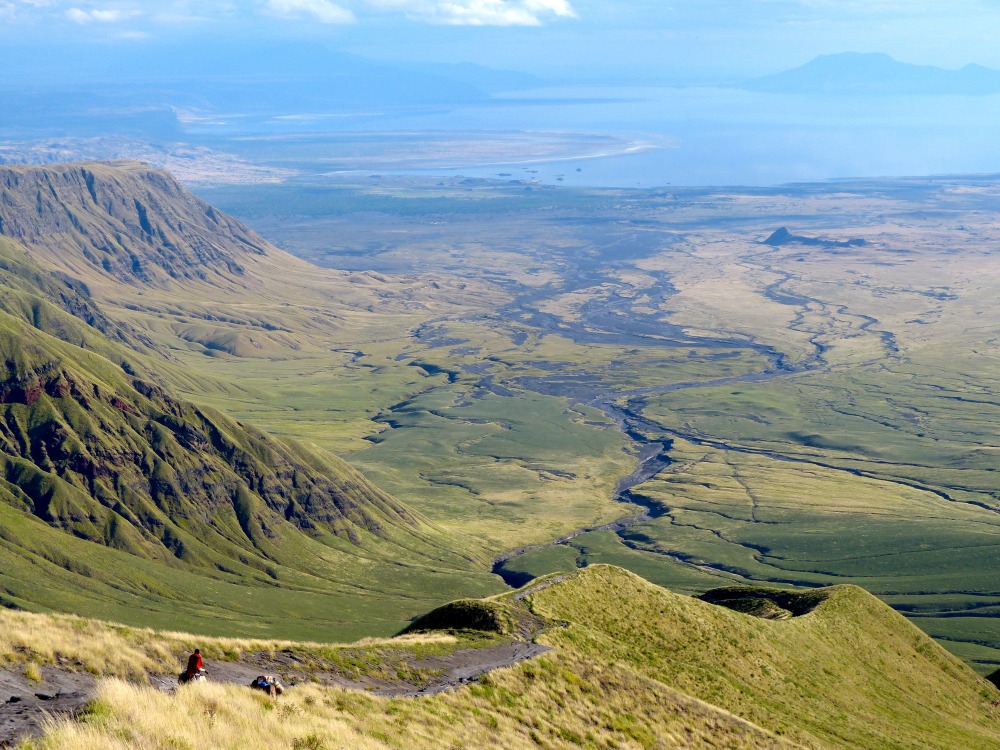
An extension of Katavi National Park in the Great Rift Valley, Uwanda Game Reserve protects 4,100 km² around Lake Rukwa in southwestern Tanzania.
The Uwanda Game Reserve protects a vast territory of 4,100 km² in southwestern Tanzania, in the Rukwa region. Lake Rukwa occupies approximately 80% of the reserve's surface area, giving Uwanda a rare lacustrine character among Tanzanian protected areas. Located away from the main northern circuits, it appeals to travelers seeking a more exclusive experience and serves as a natural extension of Katavi National Park.
Why visit Uwanda Reserve
Uwanda appeals primarily to birdwatchers, seasoned travelers, and safari enthusiasts in search of off-the-beaten-path adventures. The reserve combines several assets: a lacustrine ecosystem dominated by Lake Rukwa, acacia and miombo forests, and diverse fauna including antelopes, kudus, crocodiles, and hippopotamuses. The site's isolation, sometimes challenging for access, guarantees in return very low visitor numbers and a rare sense of immersion.
The site is part of the Great Rift Valley, which explains its geology and the presence of the lake.
History and creation
Established in 1971, Uwanda Game Reserve was conceived as an extension of Katavi National Park's conservation area, to expand wildlife corridors and protect the wetlands around Lake Rukwa. It sits within the vast depression of the Great Rift Valley, which stretches across East Africa from north to south. Lake Rukwa, shallow and endorheic, fluctuates dramatically with the seasons, shaping the ecology of the entire reserve.
What to see and do
Terrestrial wildlife
Acacia and miombo forests are home to antelopes, kudus, and, according to certain local sources, giraffes (the presence of albino giraffes mentioned in tourism literature remains to be confirmed in the field). The lake's shores concentrate crocodiles and hippopotamuses, particularly visible during the dry season when animals gather around watering holes.
Birdwatching
Uwanda ranks among southwestern Tanzania's major ornithological sites. Approximately 400 bird species have been recorded there according to available surveys, with a high proportion of aquatic and migratory species nesting around Lake Rukwa. The region is also known for the breeding of red locusts in the country's south, which seasonally attracts numerous insectivorous birds.
Walking safaris and water activities
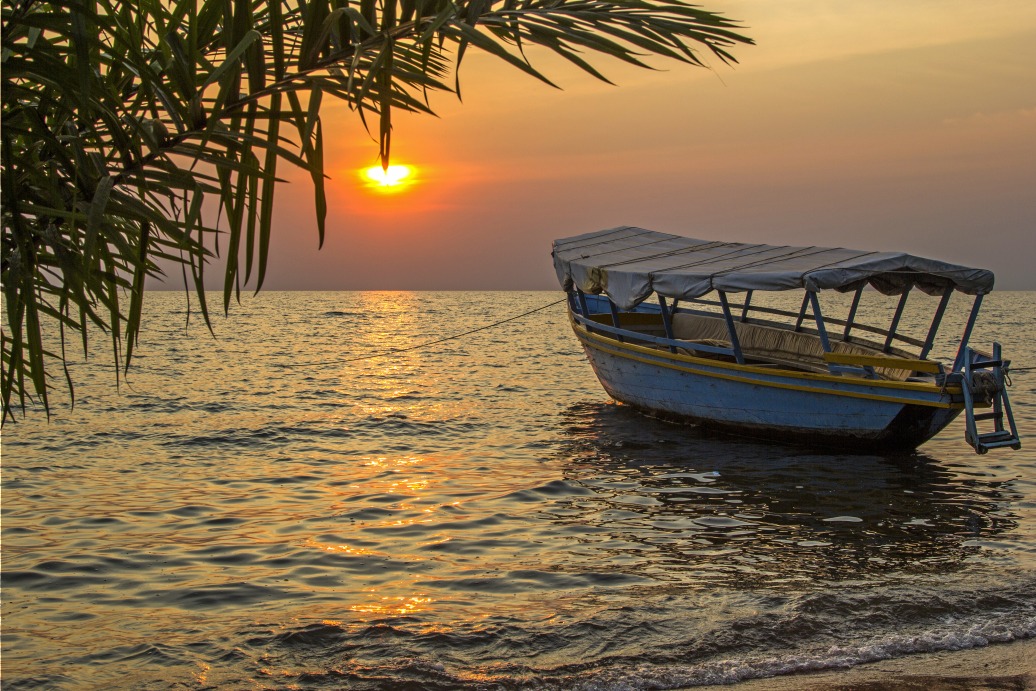
Walking safaris, guided by an armed professional, remain the most immersive way to explore Uwanda. Boat outings on Lake Rukwa allow you to approach hippopotamuses and crocodiles from the water and offer a comprehensive perspective on the wetlands. Catch-and-release sport fishing is practiced in certain areas: the lake is home to mudfish, tilapias, and sardines.
When to visit
The reserve is accessible year-round, but conditions vary significantly by season. The rainy season, from November to May, makes the tracks difficult and dense vegetation complicates wildlife viewing. The dry season, from June to October, is the recommended period: wildlife concentrates around the lake, tracks are passable, and lighting is favorable for photography.
Practical information
Uwanda remains a demanding destination. Tourist infrastructure is rare within the reserve itself, and most visitors organize their trip from Katavi or through a specialized agency. Plan appropriate equipment:
- Hiking boots and light daytime clothing, plus warmer clothes for the evening
- Binoculars and camera with spare batteries
- Hat, sunglasses, sunscreen
- Mosquito repellent and mosquito net
- Sufficient drinking water
- Waterproof backpack
How to get there
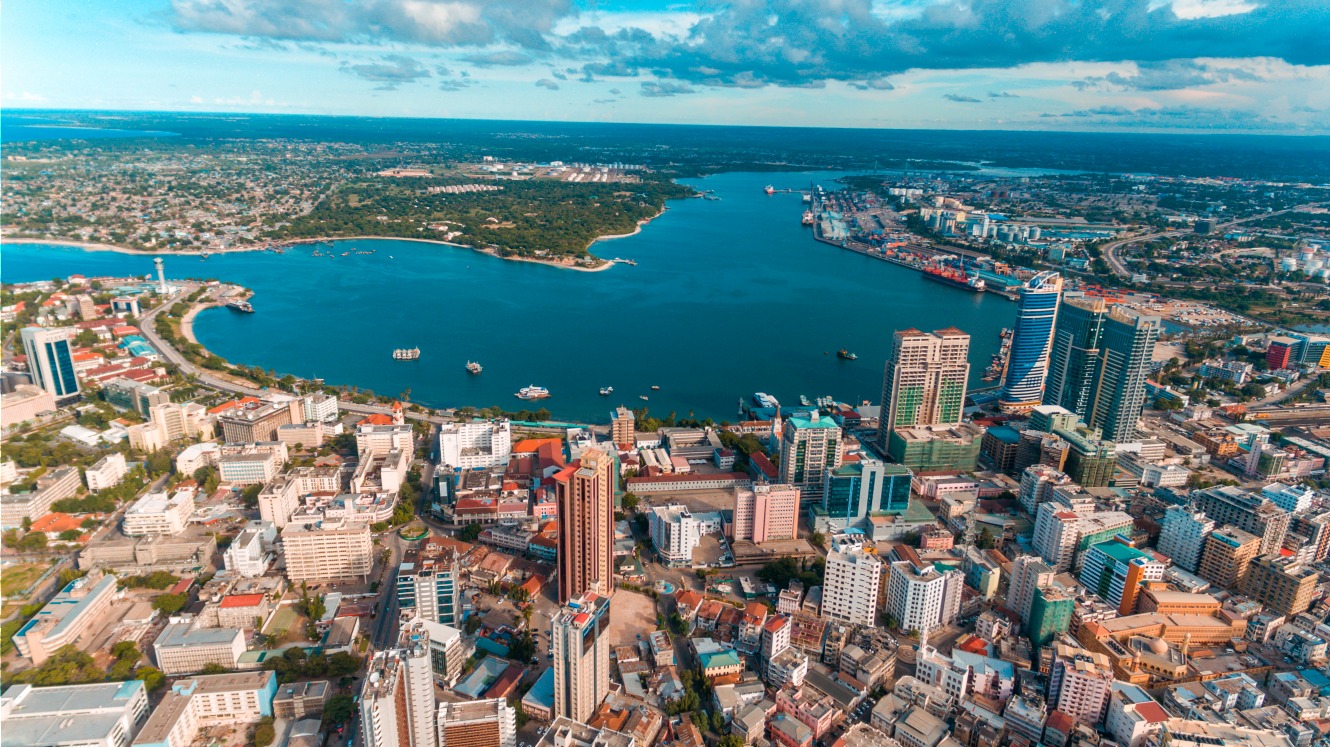
International arrival is through Dar es Salaam or Kilimanjaro airport. From Dar es Salaam, you have two options:
- By road, via Tunduma, in 4x4: allow 2 to 3 days travel time, with the route passing through Katavi National Park, which serves as the logical entry point to Uwanda.
- By chartered flight from Dar es Salaam, approximately 3 to 4 hours depending on stops—a considerably more comfortable option but at a higher budget.
Nearby attractions
The reserve fits well into a circuit in southwestern Tanzania. Katavi National Park, the direct neighbor, is the most obvious extension. You can also extend your itinerary toward Lake Tanganyika. To prepare for your arrival or transit, consult our pages on Dar es Salaam and the Great Rift Valley.
Frequently asked questions
Frequently asked questions
The dry season, from June to October, is most favorable: passable tracks, wildlife concentrated around Lake Rukwa, and better visibility through the vegetation.
Access is via Katavi National Park, either by road from Dar es Salaam (2 to 3 days by 4x4 via Tunduma) or by chartered flight from Dar es Salaam (3 to 4 hours).
The reserve is home to antelopes, kudus, crocodiles, hippopotamuses, and approximately 400 recorded bird species, with a strong aquatic and migratory component around Lake Rukwa.
Yes, walking safaris are conducted with a licensed professional guide. It is one of the best ways to explore the reserve, provided you strictly follow safety guidelines, particularly near the lake shores.
Approximately 4,100 km², with nearly 80% occupied by Lake Rukwa. The reserve is an extension of Katavi National Park in the Rukwa region.
Plan your trip
Uwanda Game Reserve fits perfectly into a nature circuit in southwestern Tanzania, in addition to Katavi and Lake Tanganyika. To build your custom itinerary, consult our Tanzania travel packages.
Interested in this visit?
We can include it in your personalised itinerary.