Mikumi National Park
Mikumi National Park
Tanzania's fourth-largest park, Mikumi offers an accessible safari from Dar es Salaam, featuring tree-climbing lions, the Mkata plains, and over 440 bird species.
Mikumi National Park spans approximately 3,230 km² in southeastern Tanzanie, making it the country's fourth-largest park after Selous, Serengeti, and Ruaha. Bordering the Selous Reserve, it occupies a strategic position within a vast animal migration zone. Accessible in five to six hours by road from Dar es Salaam, it offers an alternative to the busier Northern Circuit without compromising on wildlife richness.
Why visit Mikumi Park
Mikumi stands out for three compelling reasons. First, its accessibility: it's one of the few major Tanzanian parks reachable in a single day's drive from the economic capital. Second, its wildlife: four of the Big Five are present (rhinoceros is absent), and the park is renowned for its tree-climbing lions, regularly spotted on acacia branches, as well as for African wild dogs, these once-common predators now rare in East Africa. Finally, its moderate visitor numbers, allowing wildlife observation without the vehicle congestion typical of Serengeti or Ngorongoro.
Park history
The area was first designated a game reserve in 1951, then elevated to national park status in 1964, shortly after Tanganyika's independence. The name Mikumi comes from the Swahili word for the Borassus palm, a species characteristic of the local plains. Since its establishment, Mikumi has played a key role in regional conservation, notably through anti-poaching programs run in partnership with neighboring communities and several international NGOs.
What to see and do
Wildlife of the Mkata plains
The park's northwestern sector is dominated by the Mkata plains, nicknamed the "Little Serengeti" for their resemblance to the great northern savannas. These open plains, dotted with acacias and baobabs, offer excellent visibility for wildlife watching. Herds of giraffes, zebras, wildebeest, buffalo, and elephants roam here, alongside warthogs, baboons, hyenas, and mongooses.
Antelope enthusiasts will find several species less common elsewhere: greater kudu, eland, impala, gerenuk, and beisa oryx, with the gerenuk being that long-necked antelope capable of browsing upright on its hind legs.
Hippopotamuses and reptiles
About 5 km north of the park's main gate, two permanent water sources harbor a significant hippopotamus population, accompanied by crocodiles and dense bird life. The wetland zones also host monitor lizards and, more discretely, pythons.
Over 440 bird species
Mikumi is one of Tanzanie's most rewarding parks for birdwatching, with more than 440 species recorded, both resident and migratory. Among the most striking are the secretary bird, the black-bellied bustard, francolins, the African fish eagle, and various oxpecker species. Water source margins concentrate herons, egrets, crowned plovers, and fish eagles during the dry season.
Uluguru and Rubeho ranges
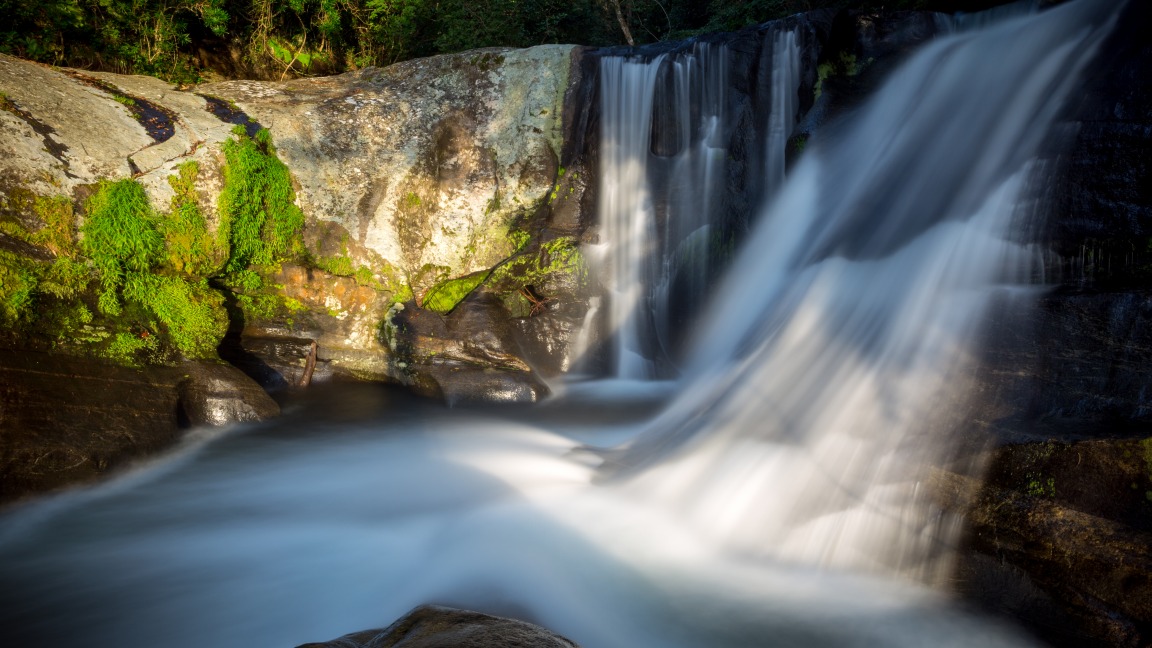
At the park's edges rise the Uluguru Mountains to the east and the Rubeho range to the west. These reliefs frame the horizon of the plains and shelter distinct vegetation. The Kinole waterfalls, located in the Uluguru massif near Morogoro, can extend a Mikumi visit (check with your guide about access, as the site lies just outside the national park itself).
Best time to visit
The optimal period runs from late June through October, during the dry season. Vegetation is less dense, animals concentrate around water sources, and tracks are passable. The park generally closes from March to May, during the rainy season, when tracks become impassable. January and February, drier between the two rainy seasons, can also suit a visit, with minimal crowds.
How to get there
By road
From Dar es Salaam, count approximately 300 km and 5 to 6 hours on the paved road that actually passes through the park (the famous Tanzam Highway). From Morogoro, about 1.5 hours suffices. Access from Ruaha or Udzungwa is possible but uses unpaved track sections.
By air
The Mikumi airstrip is served by domestic flights from Dar es Salaam and Arusha, operated by Tanzanian carriers specializing in bush flights. This option saves a day of driving but remains considerably more expensive.
Practical information
- On-site, the most flexible arrangement involves renting a 4x4 with English-speaking driver-guide from a local operator or lodge.
- Accommodations range from public campsites to upscale lodges, located on the park's border or within it.
- Entry and safari fees change regularly: request an updated quote before departure.
- Pack neutral-colored clothing, binoculars, sun protection, and malaria prophylaxis (the region is malaria-endemic).
- The park suits short safaris of 1 to 2 days, ideal for combining with other Southern Circuit parks.
Combine with
Mikumi integrates naturally into a Southern Tanzanie itinerary. Several complementary stops merit attention:
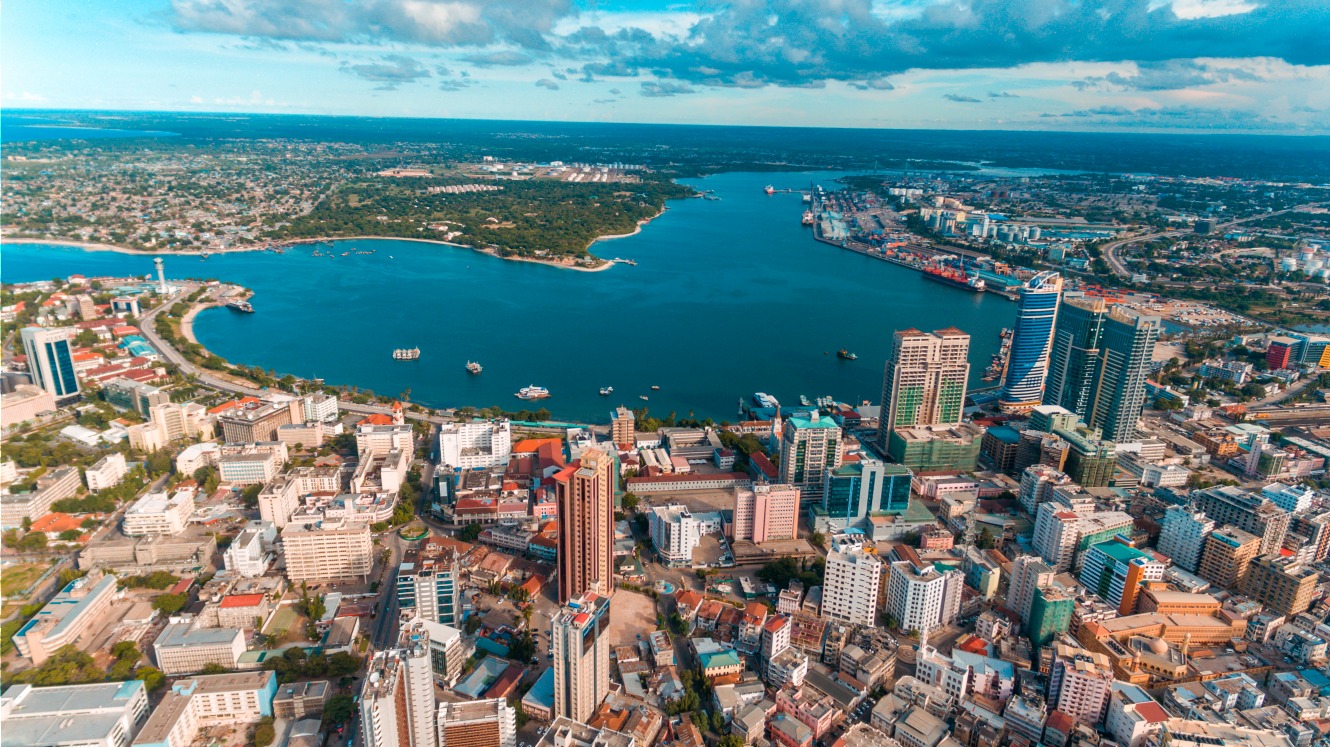
- Dar es Salaam: the logical starting point, a port city and the country's economic capital.
- The Great Rift Valley: a major geological formation structuring all of East Africa.
- Jozani Chwaka Bay National Park: to extend your journey to Zanzibar with its endemic colobus monkeys.
- Amboni Caves: another natural curiosity along the Tanzanian coast.
Frequently asked questions
Frequently asked questions
One full day already allows a solid overview of the Mkata plains and their wildlife. For deeper exploration, two to three days are preferable, staying at a lodge inside or bordering the park.
Mikumi is more accessible and suited to short safaris. Selous (now Nyerere National Park), vastly larger, suits more immersive experiences and also offers river safaris on the Rufiji River. The two parks are neighboring and can be combined.
Approximately 300 km by paved road, or 5 to 6 hours depending on traffic leaving Dar es Salaam.
Four of the Big Five are present: lions, elephants, buffalo, and leopards. Rhinoceros is absent from the park.
Plan your Mikumi safari
To include Mikumi in a custom itinerary combining the Southern Circuit, the Swahili coast, or Zanzibar, explore our Tanzanie trips. Our specialist advisors craft each program based on season, your pace, and interests.
Interested in this visit?
We can include it in your personalised itinerary.